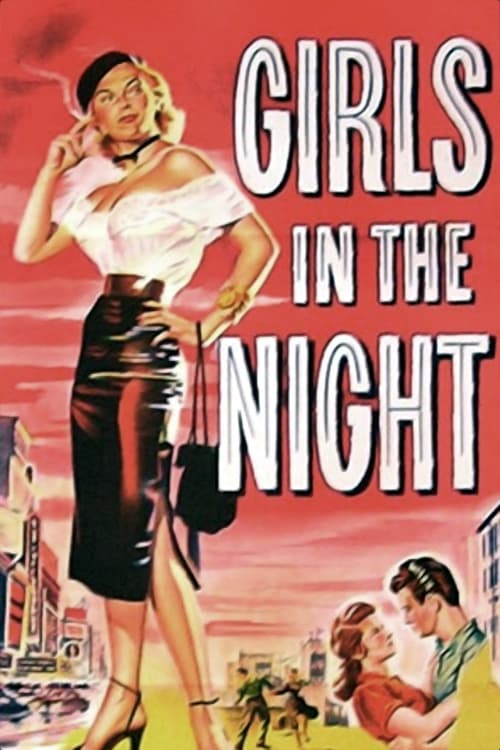
Girls in the Night
1953
No user ratings available yet
Representation score: 2.1 out of 10
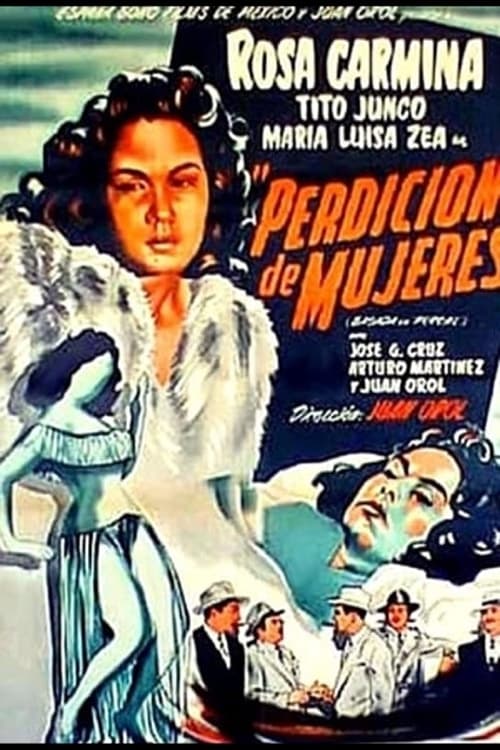
Representation Score
Limited
1951
Director
Juan Orol
Runtime
122 minutes
Average Rating
No ratings yetNew Showbiz Analysis
Perdición de mujeres is a mid-century melodrama that emphasizes personal moral dilemmas over broader social critiques. While it features a female protagonist, her journey is defined by the era's conventional clichés of urban corruption and female vulnerability. The film offers a localized representation of Mexican identity through its Mestizo cast. However, it remains confined by the social norms of 1951, lacking diverse or unconventional representation. Overall, the film focuses on the tension between traditional rural values and modern urban life, rather than challenging established power structures or identity dynamics.
Category Breakdown
The film does not include any characters with non-binary gender identities or same-sex relationships, sticking to the assumption that everyone is straight and cisgender.
A woman drives the story as she transitions from a small town to the city. However, her role is often shaped by her vulnerability and the danger she faces.
The cast is mainly Mestizo, reflecting the cultural identity of Mexican Golden Age cinema. It provides a local perspective that contrasts with the Eurocentric norms of Hollywood films from the same period.
The story explores the conflict between traditional rural morals and urban decadence. It serves as a cautionary tale about the erosion of traditional social order in the city.
There is no evidence of characters with physical or cognitive disabilities in this film.
Present on Screen
Limited or Absent
Official Synopsis
Small town girl moves to the big city. When she can't find a job, she starts hanging with a bad crowd.
1953
1958

1937
1941
1961
1952
1958

1967
No reviews yet. Be the first to share your thoughts on this movie!
Use the rating form above to leave a star rating and optional review.