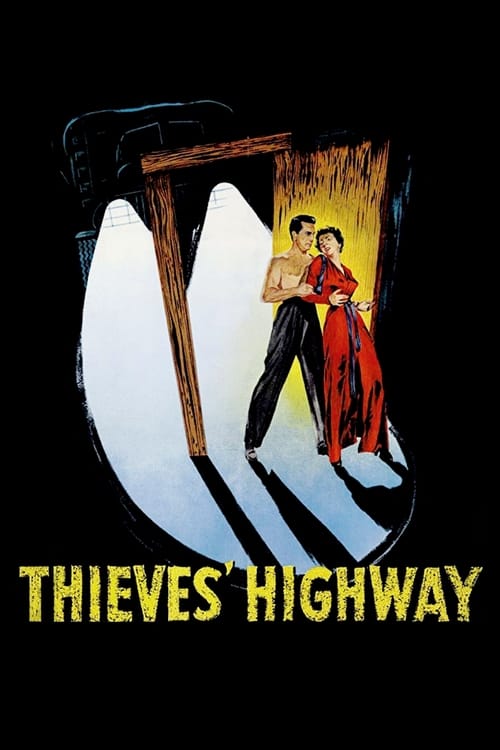
Thieves' Highway
1949
No user ratings available yet
Representation score: 1.5 out of 10

Representation Score
Fair
1952
Director
Alfredo B. Crevenna
Runtime
100 minutes
Average Rating
No ratings yetNew Showbiz Analysis
Passionate is a product of the Golden Age of Mexican cinema, reflecting the studio-era conventions of 1952. The film prioritizes individual psychological drama and genre-driven suspense over systemic social critique. The narrative structure relies on established clichés, such as the amnesiac hero, to drive a crime-focused plot. This approach prioritizes traditional moral frameworks over diverse or subversive representation. While the film offers a departure from mid-century Hollywood homogeneity through its Mexican production context, it remains rooted in the period's standard social hierarchies and gender roles.
Category Breakdown
The film does not include characters with non-binary gender identities or sexual orientations. It adheres to the traditional social norms of 1950s Latin American cinema.
Female characters seem to play supporting roles, serving as catalysts or victims within a male-dominated narrative. The story centers on male protagonists involved in criminal investigations.
As a Mexican production, the film features a predominantly non-Anglo-Saxon cast. However, the casting reflects local ethnic hierarchies rather than a blend of diverse backgrounds.
The story operates within a traditional moral framework typical of mid-century melodramas. It emphasizes reintegration into established social structures.
PTSD and amnesia are used primarily as plot devices to create suspense. They are not explored in depth as conditions affecting neurodivergence.
Present on Screen
Limited or Absent
Official Synopsis
Returning veteran with PTSD/amnesia returns home and gets tangled up in a criminal investigation.
1949

1949
1949

1953
1948
1952
1952
1946
No reviews yet. Be the first to share your thoughts on this movie!
Use the rating form above to leave a star rating and optional review.