
Another Dawn
1943
No user ratings available yet
Diversity score: 5.3 out of 10
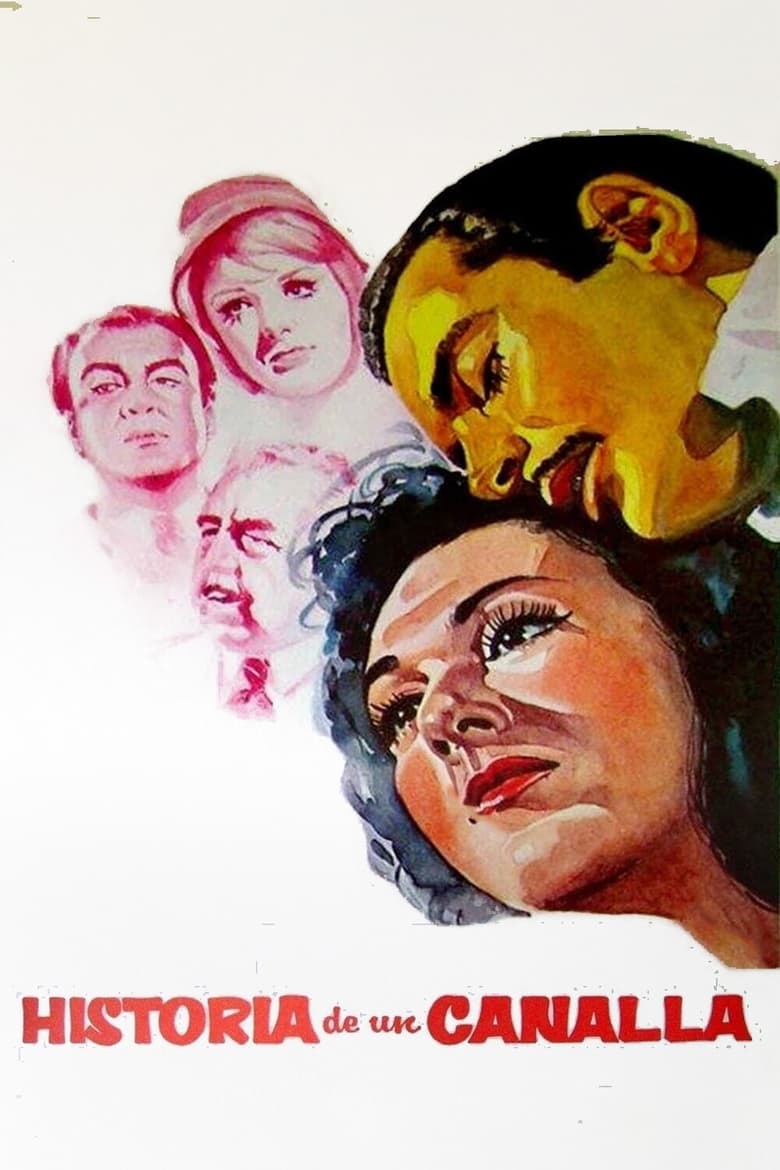
1964
Director
Julio Bracho
Runtime
89 minutes
Average Rating
No ratings yetSynopsis
A woman betrayed and betrayed by a man falls into despair and ends up killing him.
Overall Score
Fair
Category Breakdown
LGBTQ+ Representation
The narrative centers on a heterosexual romantic conflict. There is no evidence of non-cisnormative identities or critiques of heteronormativity present in the story.
Gender Representation
The film disrupts traditional hierarchies by centering the plot on a woman's violent response to male betrayal. She acts as the primary driver of conflict rather than a passive victim.
Racial & Ethnic Diversity
Produced during the Golden Age of Mexican cinema, the film operates within a non-Anglo-Saxon framework. It offers a narrative rooted in Latin American social realities.
Religious & Cultural Diversity
The story explores subjective morality and the gray areas of human ethics. It examines the tension between institutional judgment and individual emotional truth through a legal jury.
Disability Representation
There is no evidence within the narrative to suggest the inclusion or depiction of physical or neurodivergent disabilities.
Strengths
Areas for Improvement
AI Analysis
History of a Scoundrel functions as a character-driven drama that challenges conventional notions of victimhood. By positioning a woman as the catalyst of action through a radical act of retribution, the film subverts the submissive female archetype common in its era. The work also provides a departure from Western-centric perspectives by emerging from the Mexican film industry. This cultural context allows for a more nuanced exploration of social complexities and moral relativism. However, the film lacks explicit representation for LGBTQ+ identities or disabilities. The narrative focus remains strictly on the interpersonal power dynamics of a heterosexual romantic betrayal.
1943
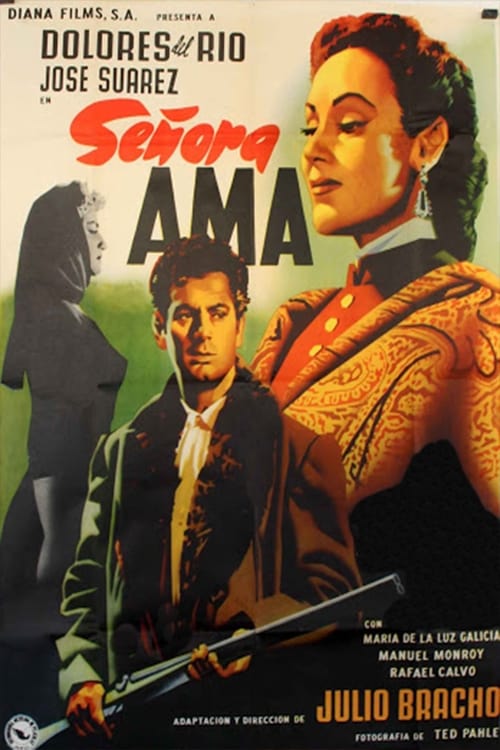
1955
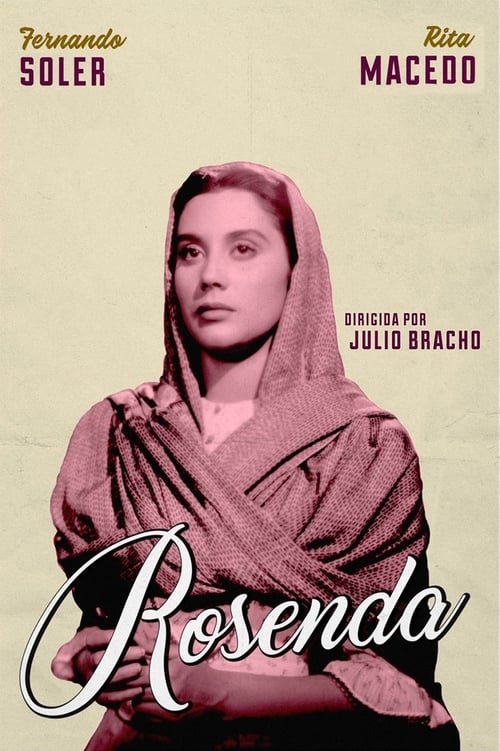
1948
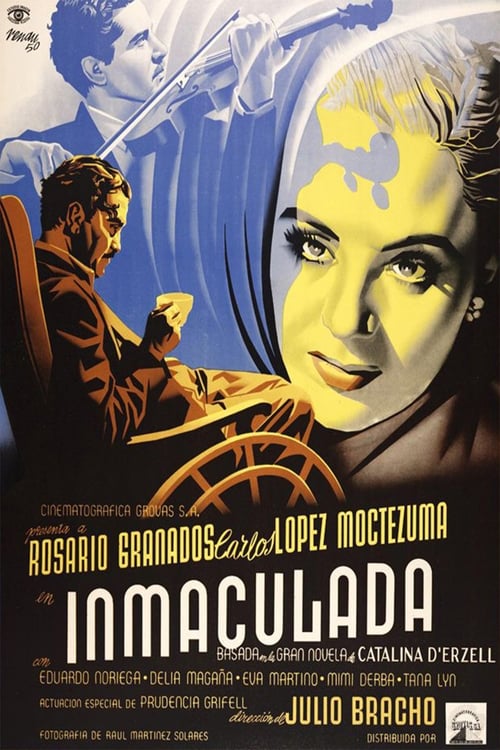
1950

1960
No reviews yet. Be the first to share your thoughts on this movie!
Use the rating form above to leave a star rating and optional review.