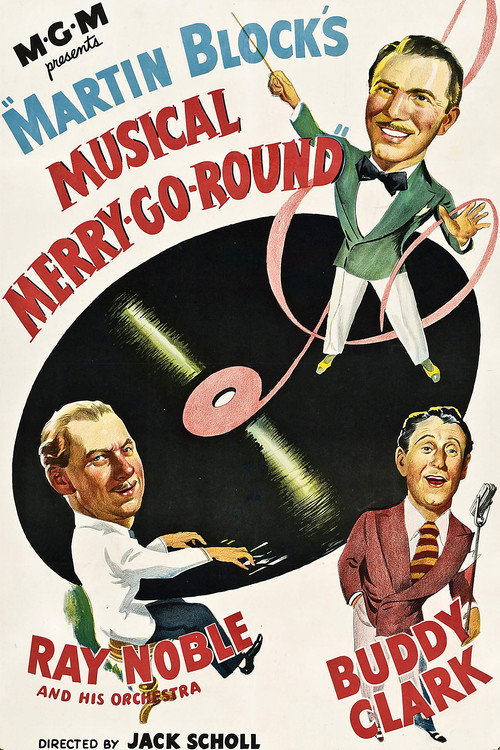
Musical Merry-Go-Round No. 6
1948
No user ratings available yet
Diversity score: 2.4 out of 10
No Poster Available
1966
12Director
Joachim Hess
Average Rating
No ratings yetOverall Score
Limited
Category Breakdown
LGBTQ+ Representation
The production adheres to the heteronormative standards typical of 1966 German operettas. There is no evidence of non-cisnormative identities or critiques of traditional sexual orientations.
Gender Representation
The narrative likely follows traditional gender roles common to folk-tale adaptations. Female characters do not appear to exercise agency that disrupts established patriarchal structures.
Racial & Ethnic Diversity
Centered on a localized German folk tale, the casting reflects a homogeneous Western European demographic. There is no indication of diverse or non-white majority casts.
Religious & Cultural Diversity
The work functions as a preservation of traditional Western folklore. It reinforces conventional morality and cultural heritage rather than critiquing Western institutions.
Disability Representation
There is no documented evidence regarding the inclusion or portrayal of characters with physical or neurodivergent disabilities.
Strengths
Areas for Improvement
AI Analysis
This 1966 musical operetta is a traditionalist cultural artifact rooted in mid-century European storytelling. It prioritizes the preservation of established folk narratives over the exploration of intersectional identities or social subversion. The production operates within the conventional parameters of its era, focusing on localized German folklore. This results in a narrative framework that reinforces historical hierarchies rather than challenging them. Ultimately, the film lacks the intentionality required to disrupt social norms, serving instead as a reflection of the homogeneous cultural values prevalent in 1960s musical theater.
1948

1998

1936

1941
2001
1980

1954
1964
2003
1973

1937
2013
No reviews yet. Be the first to share your thoughts on this movie!
Use the rating form above to leave a star rating and optional review.