The Lady of Monza
1969
No user ratings available yet
Representation score: 5.2 out of 10
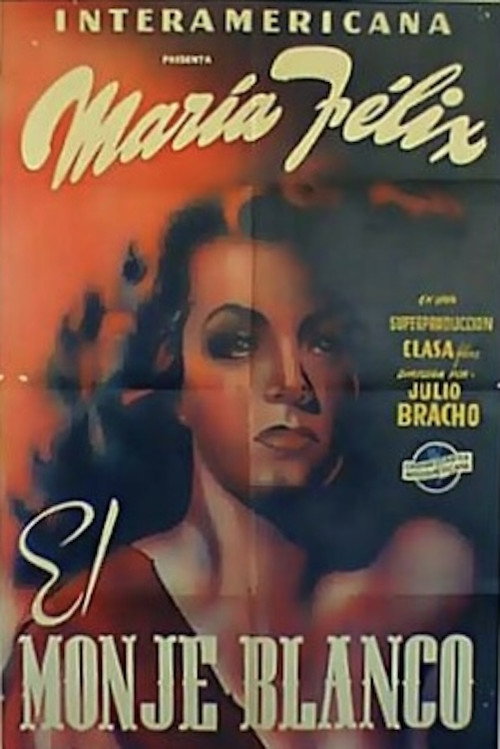
Representation Score
Limited
1945
Director
Julio Bracho
Runtime
112 minutes
Average Rating
No ratings yetNew Showbiz Analysis
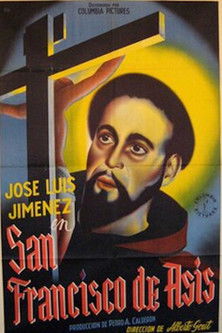
The White Monk is a classical period drama that uses a sophisticated flashback structure to explore mysticism and personal history. While the non-linear storytelling allows for a nuanced character study through Orsina Galata, the film remains rooted in the social norms of its 13th-century setting. Representation is largely traditional, adhering to the demographic and gender hierarchies expected of both the historical period and mid-20th-century cinema. The film focuses on spiritual experience and individual memory rather than challenging established social or identity-based norms.
Category Breakdown
The plot centers on a mystical relationship between a friar and a woman, suggesting a focus on straight relationships without visible evidence of LGBTQ+ identities or queer themes.
Orsina Galata serves as a central figure and primary narrator, providing her with a significant role in driving the story.
Set in a 13th-century Italian monastery, the film likely reflects the demographic homogeneity of that era, with no indication of intentional ethnic blending or diverse casting.
The story engages deeply with religious institutions and mysticism, operating within a traditional framework of spiritual storytelling.
The narrative provides no information regarding the portrayal of physical or neurodivergent disabilities.
Present on Screen
Limited or Absent
Official Synopsis
In an Italian monastery during the XIII century, a white image appears sculpted by Fray Paracleto humble mystically and sew clothes. Besides a mysterious woman appears Orsina Galata. She tells her story to the Father Provincial and thus dates back to his past.
1969
1950
2007
1956
1960
1939
1944
2015
No reviews yet. Be the first to share your thoughts on this movie!
Use the rating form above to leave a star rating and optional review.