
The Box
2003
No user ratings available yet
Representation score: 7.3 out of 10
Representation Score
Fair
1994
Not RatedDirector
Kanji Nakajima
Runtime
67 minutes
Average Rating
No ratings yetNew Showbiz Analysis
Fe is a contemplative Japanese drama that replaces traditional conflict with a poetic meditation on industrial decay. It avoids conventional dramatic clichés by centering the narrative on the relationship between humans and the remnants of civilization. The film's strength lies in its deconstruction of power structures. Instead of following a standard hero's journey, it elevates the roles of the observer and storyteller to find meaning in the discarded past. While the film lacks dense character interactions for a deep multi-layered study, its thematic architecture offers a sophisticated critique of progress and existence.
Category Breakdown
The film centers on platonic and generational bonds between an artist, a child, and a mother. It does not include explicit depictions of LGBTQ+ identities or same-sex intimacy.
Female characters serve as the primary intellectual and emotional drivers of the story. The narrative challenges traditional male dominance by showing the male painter in a vulnerable state.
This Japanese production offers a culturally specific perspective that avoids Western-centric hero clichés. The cast appears homogeneous, focusing on universal themes of civilization and decay.
The story uses bedtime myths to critique industrial capitalism and progress. It frames the decaying iron factory as a symbol of post-industrial melancholy.
There is no explicit depiction of physical or neurodivergent disabilities. The painter's creative struggles may imply psychological tension, but this remains unverified.
Present on Screen
Limited or Absent
Official Synopsis
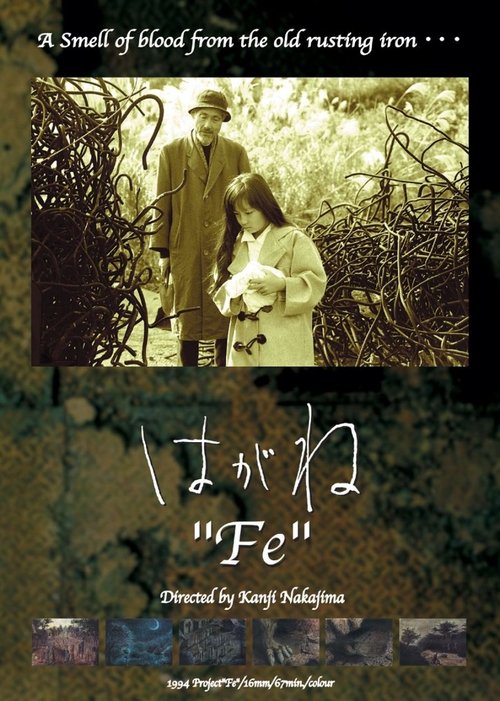
Near the remains of an iron factory, an old painter faces the challenges of creation, as his longtime muse has not appeared in some time. A young girl lends her curiosity to discover what it is that holds the old painter back. Her mother tells her a bedtime story to which brings understanding of the relationship between the abandoned factory and the lonely artist nearby. Poetically representing a new relationship between human beings and things buried in oblivion after doing their duties, this work approaches the essence of 'science' and 'civilization.'
2003
1976

2000

1995

1992
1948
1948
1984
No reviews yet. Be the first to share your thoughts on this movie!
Use the rating form above to leave a star rating and optional review.