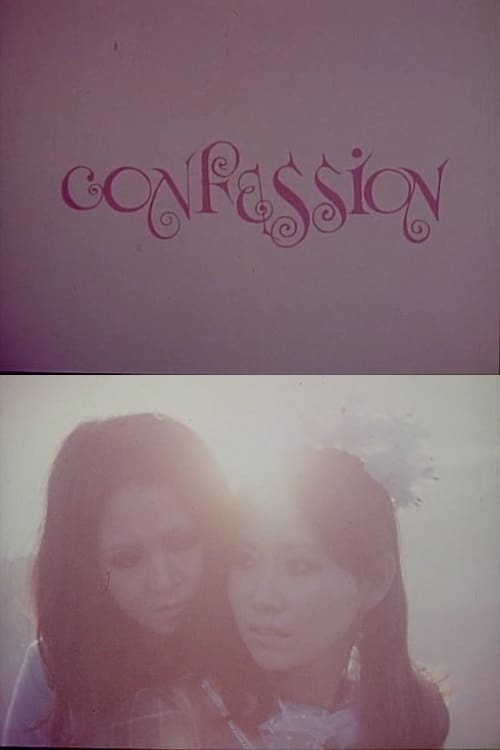
Confession
1968
No user ratings available yet
Representation score: 2.1 out of 10
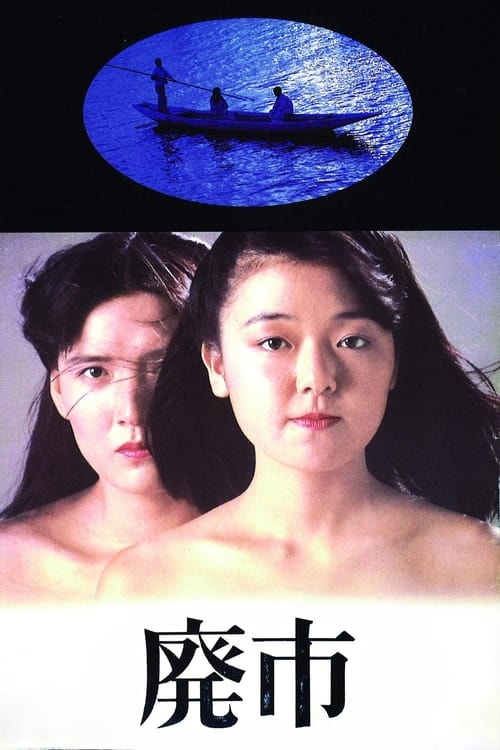
Representation Score
Fair
1984
Director
Nobuhiko Obayashi
Runtime
105 minutes
Average Rating
No ratings yetNew Showbiz Analysis
Nobuhiko Obayashi’s direction suggests a capacity for avant-garde, non-linear storytelling that challenges traditional structures. However, the film's thematic focus remains deeply personal and introspective. The narrative prioritizes Eguchi’s internal reflections on memory and nostalgia over broader social critiques. This focus on individual experience results in a lack of overt characters who reflect more than one aspect of diversity. Ultimately, the film functions as a traditional character drama operating within the conventional dramatic frameworks of its era.
Category Breakdown
The film does not include any explicit LGBTQ+ characters or narratives. There are no visible explorations of non-straight or non-cisgender identities.
Satomi Kobayashi leads the ensemble, suggesting a narrative centered on a female perspective. However, the film's stance on gendered power dynamics remains unclear.
As a Japanese production, the film maintains a homogeneous cultural landscape. The cast and setting are consistently Japanese without evidence of diverse casting.
The story uses a memory-driven framework that may critique urban decay or the loss of traditional spaces. Specific stances on broader cultural institutions are not established.
There is no information available regarding the portrayal of physical or neurodivergent disabilities in this work.
Present on Screen
Limited or Absent
Official Synopsis
After noticing in the news there was a fire in an old canal town, Eguchi recalls visiting there a decade ago as a university student.
1968
1959

1984
1970

2012

1989
1963
1986
No reviews yet. Be the first to share your thoughts on this movie!
Use the rating form above to leave a star rating and optional review.