
2/Duo
1997
No user ratings available yet
Representation score: 5.3 out of 10
Representation Score
Fair
2001
Director
Kazuyoshi Kumakiri
Runtime
127 minutes
Average Rating
No ratings yetNew Showbiz Analysis
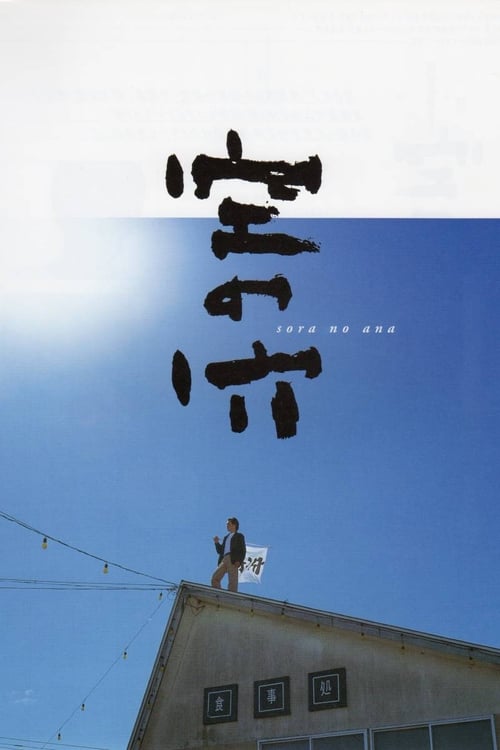
Hole in the Sky is a character study that prioritizes psychological depth over broad demographic representation. It deconstructs romantic clichés by focusing on the messy, unbalanced power dynamics between its two main characters. The film avoids idealized depictions of human connection, opting for a more raw exploration of social isolation. While the film lacks visible representation of diverse identities, its narrative structure challenges traditional social bonds and avoids the 'stable provider' archetype often found in mainstream dramas. Ultimately, the film's strength lies in its refusal to offer a simple moral view of its characters, instead embracing the complexity of human possession and abandonment.
Category Breakdown
The film explores a non-traditional relationship between a Drive-In worker and a young woman, but there is no explicit evidence of queer coding or same-sex intimacy.
The story challenges traditional masculine stereotypes by showing the male worker's controlling and destructive behavior. It focuses on the female protagonist's psychological experience of abandonment.
Set in Hokkaido, the film reflects the homogeneous demographics of its specific Japanese setting. There is no evidence of multi-ethnic casting or race-bending.
The narrative rejects traditional moral absolutes in favor of situational ethics and moral relativism. It prioritizes individual psychological states over social or familial structures.
The film contains no visible or mentioned depictions of physical or neurodivergent disabilities.
Present on Screen
Limited or Absent
Official Synopsis
The film tells the story of a Drive-In worker and a young tramp who has been left alone by her boyfriend somewhere in Hokkaido. Things seem to work out at the beginning but as time goes by the newly formed relationship between the tramp and the Drive-In worker starts to show the workers harmful will of possession, which finally leads to the somehow sad but also optimistically interpretable ending.
1997
1969

2010
1970
2017

2007
2005
2006
No reviews yet. Be the first to share your thoughts on this movie!
Use the rating form above to leave a star rating and optional review.