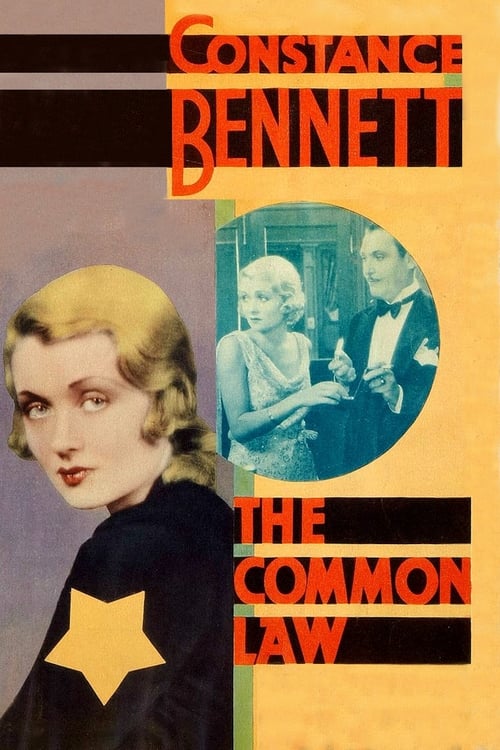
The Common Law
1931
No user ratings available yet
Diversity score: 2.7 out of 10

1943
Director
Albert Valentin
Runtime
103 minutes
Average Rating
No ratings yetSynopsis
The novelist Loïc Limousin knew the turbulent past of Marie-Martine and he extracted the material for a novel from which the young girl risks paying the price. After the drama that had thrown her in prison, she met a brave boy ready to make his life with her. Will the scandal separate them?
Overall Score
Limited
Category Breakdown
LGBTQ+ Representation
The story centers on a conventional romantic pairing between a young girl and a brave boy. There are no indications of non-cisnormative identities or narratives that challenge heteronormativity.
Gender Representation
Marie-Martine serves as the central protagonist, yet she is framed through her vulnerability to scandal and prison. The narrative positions her more as a subject of scrutiny than a high-agency leader.
Racial & Ethnic Diversity
The film likely adheres to the homogeneous casting standards typical of 1943. There is no evidence of diverse racial or ethnic representation within the provided narrative summary.
Religious & Cultural Diversity
The plot focuses on social morality, reputation, and the consequences of deviating from societal norms. This suggests a preoccupation with traditional institutional values and social standing.
Disability Representation
The provided material contains no mention of characters with visible or invisible disabilities.
Strengths
Areas for Improvement
AI Analysis
Marie-Martine is a traditional period drama that relies heavily on established social hierarchies and romantic tropes. The narrative structure follows a melodramatic arc centered on scandal and the personal costs of social deviation. The film lacks intersectional depth, focusing instead on a singular romantic struggle and the scrutiny of a female protagonist. It reflects the conventional, homogeneous standards of mid-20th-century cinema. Ultimately, the work functions as a standard moral drama rather than a piece that disrupts or subverts cultural norms.
1931
1933
1944
1945
1934
1938
1926
1958
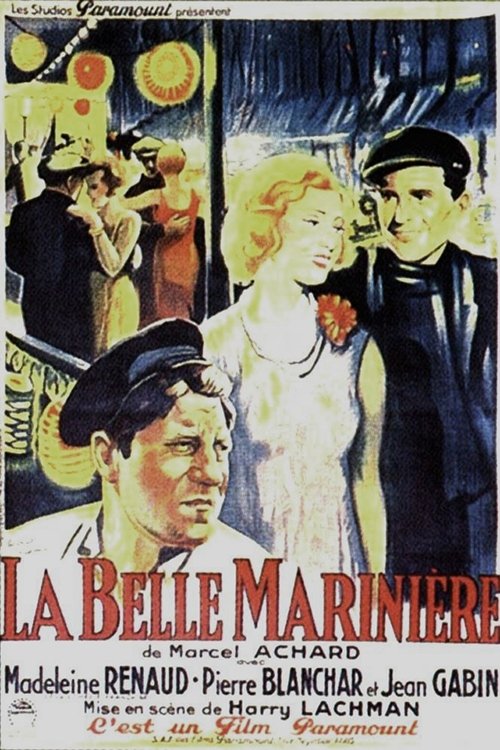
1932
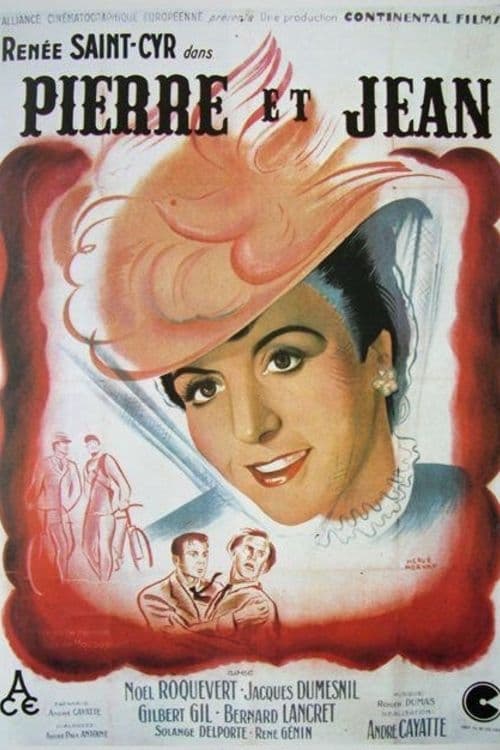
1943
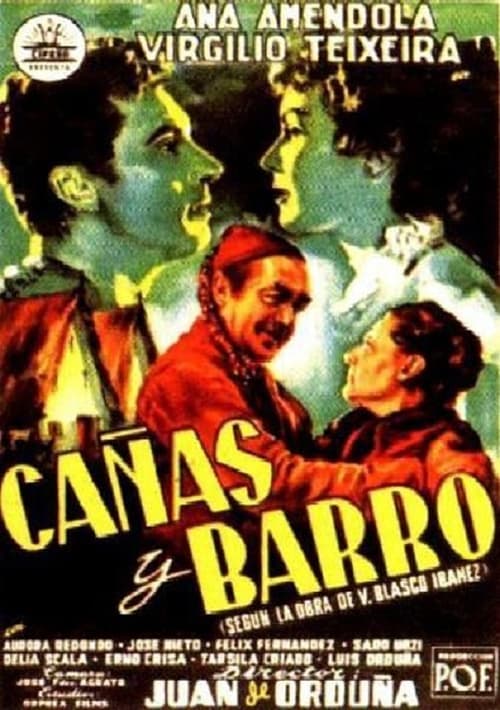
1954

1939
No reviews yet. Be the first to share your thoughts on this movie!
Use the rating form above to leave a star rating and optional review.