
The Postmaster
1940
No user ratings available yet
Representation score: 0.3 out of 10

Representation Score
Minimal
1938
ApprovedDirector
Viktor Tourjansky
Runtime
97 minutes
Average Rating
No ratings yetNew Showbiz Analysis
The Postmaster's Daughter is a conventional melodrama that reinforces the social and gender hierarchies of its time. The story prioritizes the preservation of reputation and the consequences of deviating from domestic expectations. While the film provides insight into the dramatic conventions of 1938, it does not challenge or disrupt the systemic power dynamics of its setting. The narrative structure remains firmly rooted in traditional structures.
Category Breakdown
The film focuses on traditional romantic and family structures. There is no representation of LGBTQ+ identities or same-sex relationships.
Women's roles are primarily defined by their relationships with men, such as the father and a military officer. The plot revolves around the social scandal surrounding the main character's actions.
The setting reflects the homogeneous demographics typical of its era. There is no indication of diverse casting or the subversion of ethnic hierarchies.
The story unfolds within a framework of traditional morality and social order. Conflicts arise from breaches of conventional social expectations and institutional stability.
The narrative does not include any characters with visible or invisible disabilities.
Present on Screen
Limited or Absent
Official Synopsis
A small town postal official allows a military officer to sweep his lovely daughter away to St. Petersburg, assuming the man will do the right thing and marry her.Instead, a future of scandal and tragedy awaits her.
1940

1997
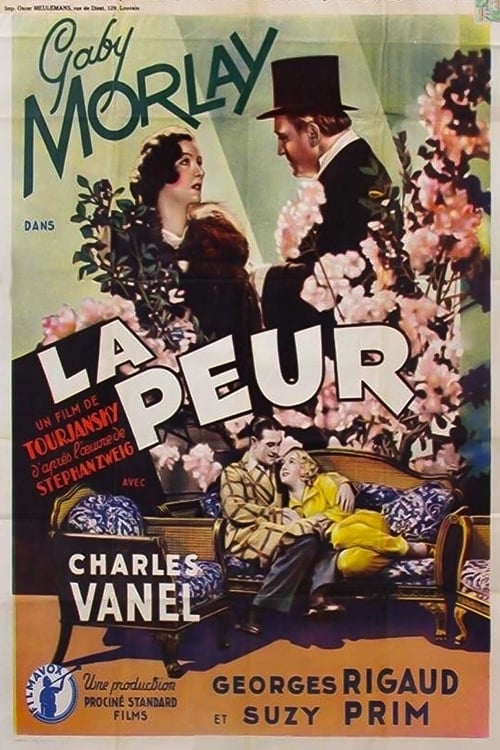
1936

1938
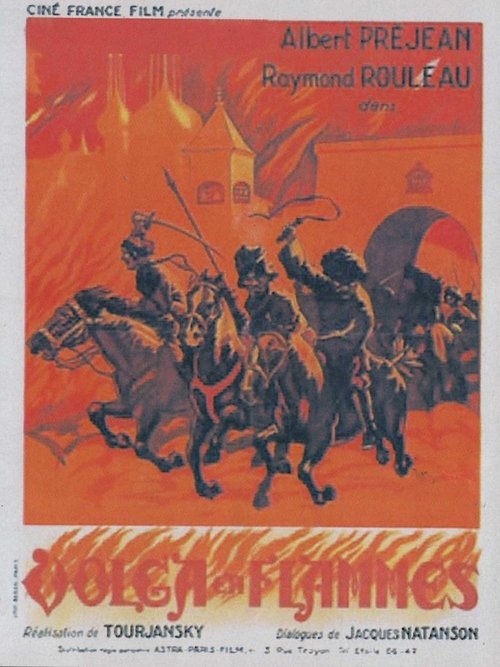
1934

1930
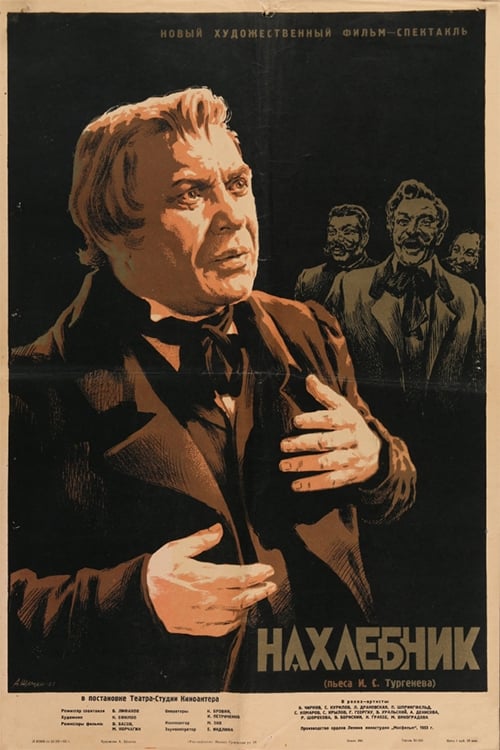
1953
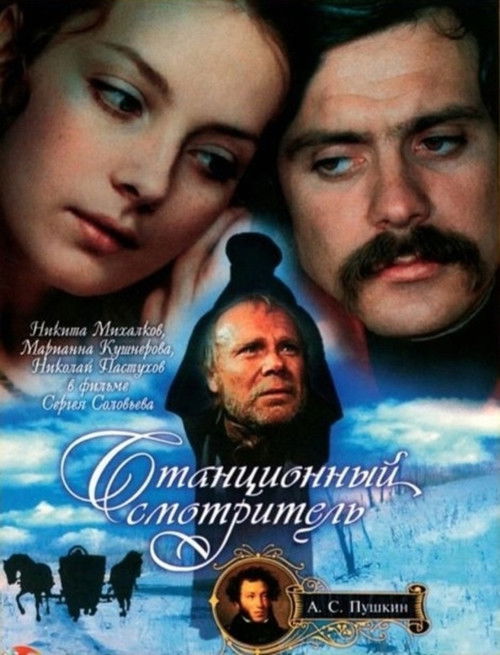
1972
No reviews yet. Be the first to share your thoughts on this movie!
Use the rating form above to leave a star rating and optional review.