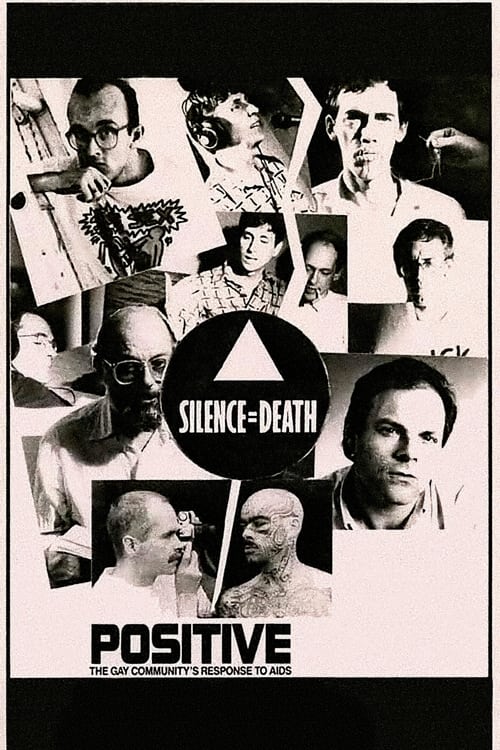
Positive
1990
No user ratings available yet
Representation score: 9.4 out of 10

Representation Score
Excellent
1990
Director
Rosa von Praunheim
Runtime
56 minutes
Average Rating
No ratings yetNew Showbiz Analysis
Rosa von Praunheim’s documentary is a sophisticated exploration of identity politics and systemic power. By centering the voices of those excluded from official historical records, the film functions as a powerful tool for documenting the intersection of bodily autonomy and political struggle. The work excels by deconstructing capitalist and religious priorities during a public health crisis. It moves beyond simple documentation to offer a critique of the institutions that allowed the epidemic to flourish through inaction and moralizing rhetoric. While the film is deeply rooted in the urban queer experience, it maintains an multi-layered lens. It successfully balances the specificities of gay male identity with broader critiques of racial and systemic neglect.
Category Breakdown
The film highlights the political activism and intimate lives of gay men, rejecting stereotypes of victimhood. It documents their active resistance against exclusionary practices.
The documentary challenges traditional masculine roles by showcasing men through vulnerability and community support. It highlights non-traditional support systems rather than the provider archetype.
The film showcases a range of racial and ethnic identities, reflecting the diverse impact of the epidemic. This prevents a monolithic portrayal of the affected population.
The narrative critically examines Western institutions, depicting religious and government bodies as complicit. It also addresses how capitalist profit motives prioritize stability over human life.
The documentary provides a raw look at the physical realities of living with HIV/AIDS. It gives real power to those navigating chronic illness, avoiding the use of pity.
Present on Screen
Limited or Absent
Official Synopsis
AIDS victims and activists cope with hardship and society’s ignorance.
1990

1984

2011

2017
1993
1978

1989
1996
No reviews yet. Be the first to share your thoughts on this movie!
Use the rating form above to leave a star rating and optional review.