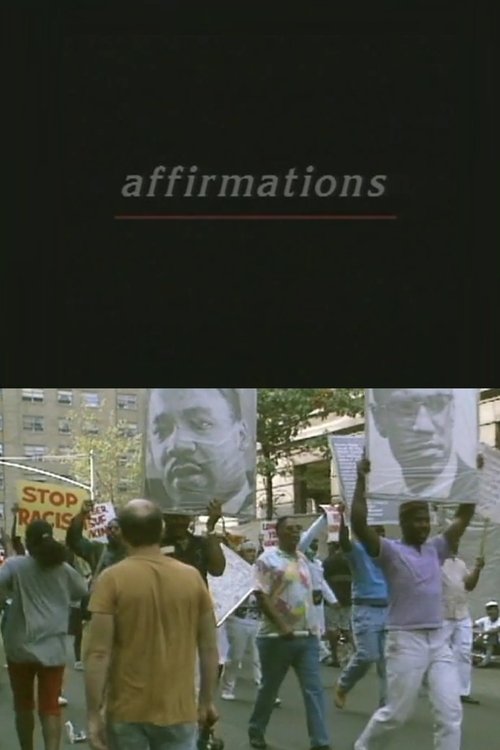
Affirmations
1990
No user ratings available yet
Representation score: 7.4 out of 10

Representation Score
Excellent
1993
Director
Marlon Riggs
Runtime
38 minutes
Average Rating
No ratings yetNew Showbiz Analysis
Marlon Riggs’ documentary is a seminal work of multi-layered cinema that dismantles the silos of racial and sexual identity. By centering five HIV-positive Black men, the film moves beyond simple reportage to explore the profound complexities of survival and systemic visibility. The film excels by treating its subjects as active narrators of their own histories rather than passive victims. It successfully navigates the intersection of race, gender, and health, providing a nuanced critique of the institutional failures that neglected Black queer communities during the AIDS crisis. Overall, the work reconfigures the cinematic lens to ensure underrepresented voices drive the narrative, effectively challenging traditional Western hierarchies.
Category Breakdown
The film centers the experiences of its LGBTQ+ subjects, giving them significant roles in driving the story. It critiques the assumption that everyone is straight or cisgender and highlights the unique challenges faced by Black queer individuals.
The film explores the tension between societal expectations and queer existence, challenging rigid, heteropatriarchal definitions of masculinity and strength. It emphasizes emotional depth over physical toughness.
This film showcases storytelling that reflects multiple aspects of identity by examining how race and sexuality intersect to create unique systemic vulnerabilities for Black individuals. It avoids monolithic racial representation and instead focuses on the complexities of identity.
The narrative critiques Western institutional failures, such as medical and religious structures, highlighting how institutional norms can become tools of oppression against Black queer bodies.
The documentary treats the realities of living with HIV/AIDS with dignity rather than using it as inspiration porn. It frames chronic illness as a central component of political struggle.
Present on Screen
Limited or Absent
Official Synopsis
Five gay Black men who are HIV-positive discuss how they are battling the double stigmas surrounding their infection and homosexuality.
1990
1984

1994
1996
1994

2014
1995

1990
No reviews yet. Be the first to share your thoughts on this movie!
Use the rating form above to leave a star rating and optional review.