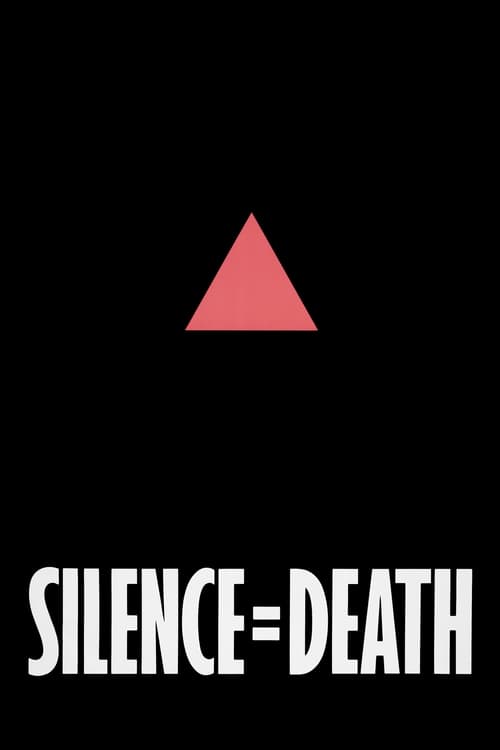
Silence = Death
1990
No user ratings available yet
Representation score: 9.7 out of 10
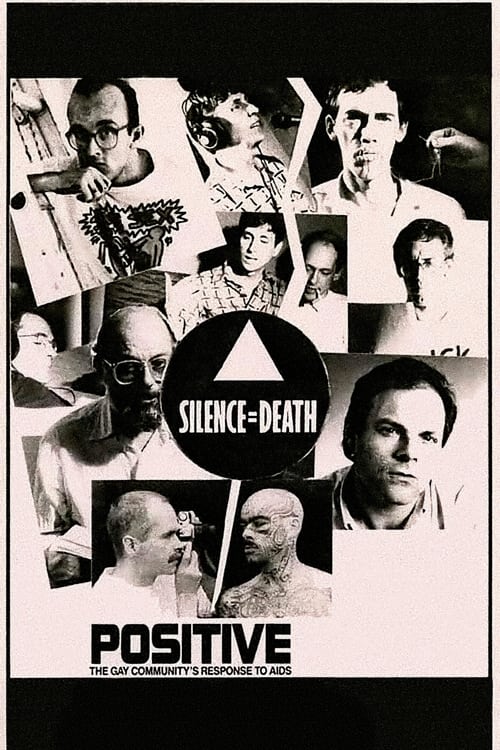
Representation Score
Excellent
1990
Director
Rosa von Praunheim
Runtime
83 minutes
Average Rating
No ratings yetNew Showbiz Analysis
Positive (1990) is a pioneering film that prioritizes community ability to act over systemic norms. By focusing on the political activism of groups like ACT-UP and Queer Nation, the film transforms queer subjects from victims into organized political entities. The documentary excels in its portrayal of disability and gender, avoiding the trap of 'inspiration porn' and instead focusing on the lived reality of activism. While it is a powerful tool for queer visibility, its exploration of racial diversity is limited.
Category Breakdown
The film highlights the importance of queer visibility by focusing on groups like ACT-UP and Queer Nation. It portrays the community as key players in survival and political activism.
The documentary challenges traditional gender roles by highlighting queer men and non-binary expressions. It showcases men taking active roles in political activism rather than portraying them as victims.
While the film focuses on queer identity, it does not extensively explore a wide range of racial backgrounds. Its scope is limited to the New York and West German gay communities during the AIDS crisis.
The film criticizes traditional Western institutions and government failures. It emphasizes community-driven morality over religious or state-sanctioned rules.
The work offers a realistic portrayal of living with chronic illnesses like HIV/AIDS, presenting individuals as political activists and intellectuals rather than objects of pity.
Present on Screen
Limited or Absent
Official Synopsis
This film powerfully documents New York City's gay community's response to the AIDS crisis as they are forced to organize themselves after the government's failure to stem the epidemic. Activists who are interviewed include playwrite Larry Kramer, People With AIDS Coalition co-founder Michael Callen (who died of AIDS in 1994), New York filmmaker and journalist Phil Zwickler, as well as representatives from ACT-UP, Queer Nation and the Gay Men's Health Crisis.
1990
1984

2009

2017
2011
1996
2011

2014
No reviews yet. Be the first to share your thoughts on this movie!
Use the rating form above to leave a star rating and optional review.