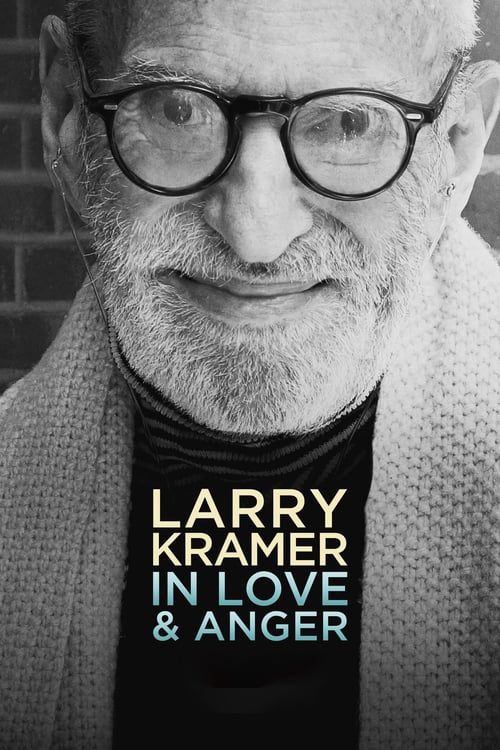
Larry Kramer In Love & Anger
2015
No user ratings available yet
Representation score: 9.5 out of 10

Representation Score
Excellent
1989
Director
Jeffrey Friedman, Rob Epstein
Runtime
80 minutes
Average Rating
No ratings yetNew Showbiz Analysis
Common Threads: Stories from the Quilt is a foundational work of multi-layered documentary filmmaking. By centering the lives of those underrepresented by 1980s political and social hierarchies, it transforms personal tragedy into a study of communal resilience. The film excels at deconstructing institutional power, specifically highlighting how government and religious bodies failed the community. It moves beyond mere documentation to offer a sophisticated critique of the era's social norms. While the film provides a multifaceted view of the epidemic, its focus remains largely on male-centered queer experiences. However, its treatment of chronic illness and racial the way different parts of someone's identity overlap ensures a deeply human and diverse perspective.
Category Breakdown
The film centers entirely on the lived experiences of the LGBTQ+ community. It provides nuanced depictions of queer identity and intimacy while challenging societal norms that assume everyone is straight or cisgender.
The narrative focuses heavily on male-centered experiences and the impact of the epidemic on male relationships. It offers less breadth regarding female-centric or non-binary gender dynamics.
The documentary avoids a monolithic portrayal by incorporating individuals from various racial and ethnic backgrounds. It highlights how the crisis intersected with diverse identities.
The film critiques the failures of government and religious institutions during the crisis. It prioritizes grassroots activism and community self-reliance over official state narratives.
The film treats the realities of living with HIV/AIDS with immense dignity. It focuses on the systemic complexities of the disease rather than simplified narratives of triumph.
Present on Screen
Limited or Absent
Official Synopsis
On the eve of 1987's Second National March on Washington for Lesbian and Gay Rights, surviving families and friends of people who have died of AIDS prepare panels to be added to a large-scale memorial quilt project. Drawing from the sea of names memorialized, director Robert Epstein focuses on the lives of six people. Alongside the intimate profiles offered, through news footage and interviews, Epstein puts the AIDS crisis in the larger context of social and government response to the disease.
2015
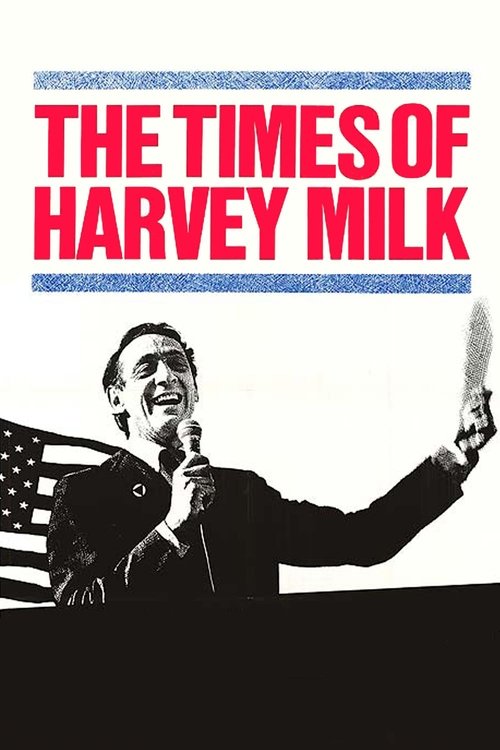
1984
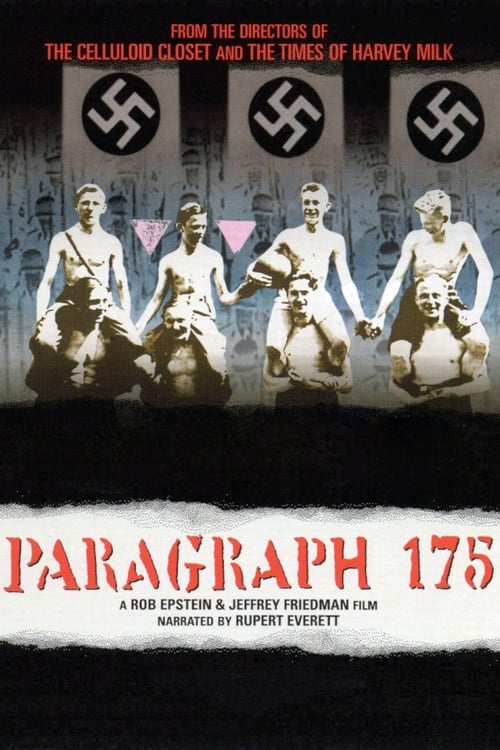
2000

1993

2014
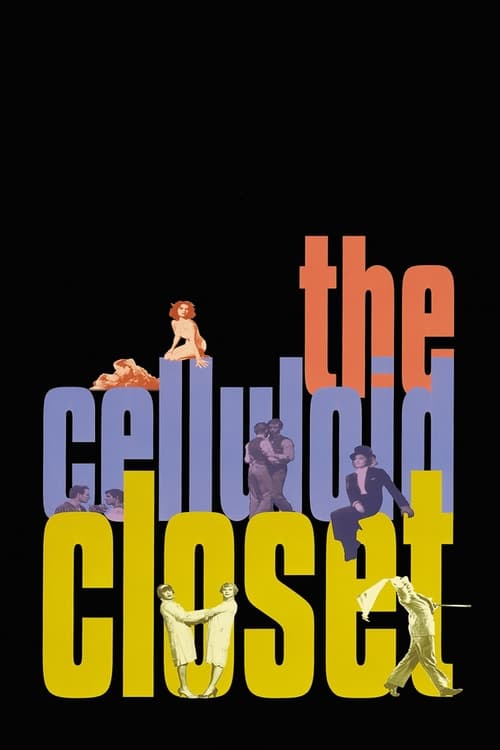
1996
2011

2014
No reviews yet. Be the first to share your thoughts on this movie!
Use the rating form above to leave a star rating and optional review.