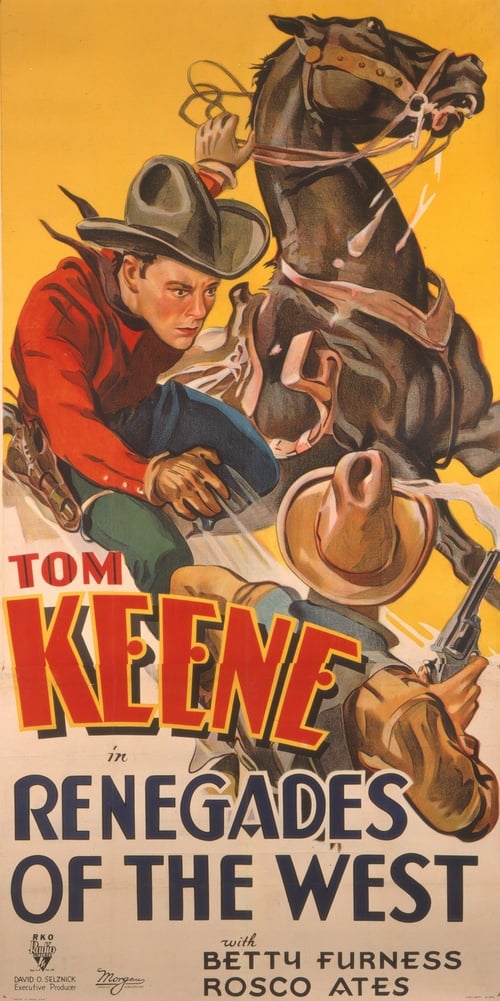
Renegades of the West
1932
No user ratings available yet
Representation score: 1.8 out of 10
Representation Score
Minimal
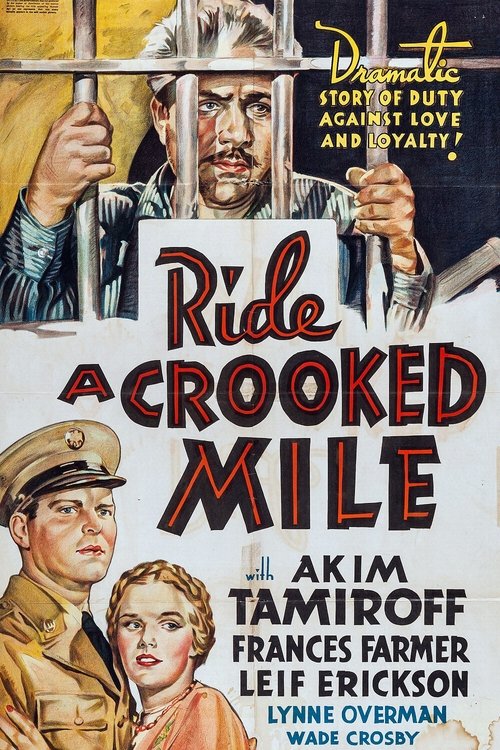
1938
ApprovedDirector
Alfred E. Green
Runtime
70 minutes
Average Rating
No ratings yetNew Showbiz Analysis
Ride a Crooked Mile is a period-specific Western that prioritizes traditional moral structures and institutional adherence. While it moves slightly beyond the standard Anglo-Saxon archetype by introducing a Cossack immigrant family, the narrative remains rooted in the social norms of the late 1930s. The film's central conflict—a son choosing between a legal 'straight path' and his immigrant father's criminality—suggests a focus on assimilation and conformity. This framework reinforces dominant societal hierarchies rather than challenging them. Ultimately, the film lacks representation for LGBTQ+ individuals and people with disabilities, functioning as a conventional genre piece that upholds established social and legal standards.
Category Breakdown
The film contains no evidence of LGBTQ+ characters or non-straight relationships. It likely reinforces the traditional orientation norms common to 1938 Westerns.
The narrative appears to follow traditional gender hierarchies. Men likely serve as the primary drivers of action, adhering to the patriarchal structures typical of the era.
The story introduces ethnic complexity through a Cossack immigrant family. However, the plot may function as a cautionary tale about the necessity of assimilation.
The film centers on a moral binary between legal order and familial loyalty. This structure reinforces the authority of Western legal institutions over subjective morality.
There is no indication of characters with visible or invisible disabilities. The narrative does not address neurodivergence or physical impairments.
Present on Screen
Limited or Absent
Official Synopsis
The son of a cattle-rustling Cossack immigrant must choose between following the straight path and helping his father escape from prison.
1932

1939
1933
1942
1935

1934

1931
1937
No reviews yet. Be the first to share your thoughts on this movie!
Use the rating form above to leave a star rating and optional review.