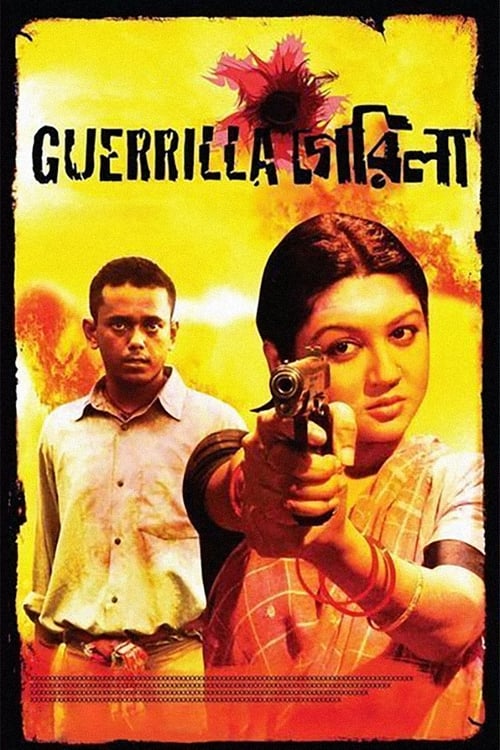
Guerrilla
2011
No user ratings available yet
Representation score: 9.0 out of 10
Representation Score
Good
2023
Director
Carlos Conceição
Runtime
118 minutes
Average Rating
No ratings yetNew Showbiz Analysis
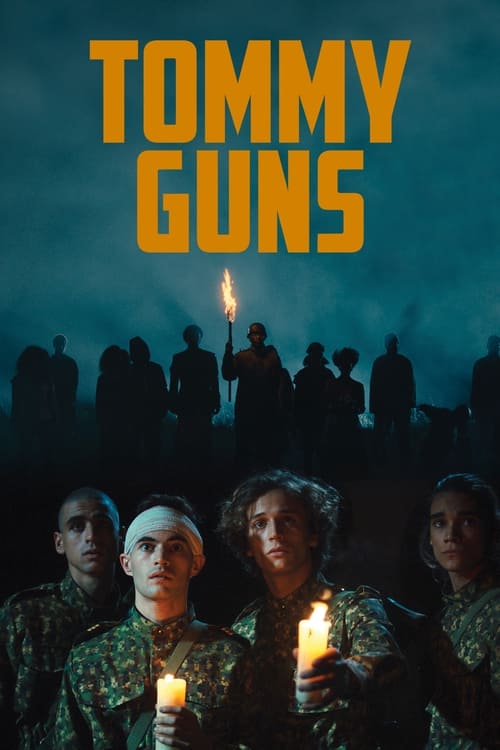
Tommy Guns serves as a historical revision that challenges traditional colonial narratives. By focusing on the Angolan perspective and the decline of Portuguese authority, the film avoids the limitations of Western-centric war cinema. The narrative emphasizes reclaiming land and seeking justice against historical oppressors, suggesting a nuanced engagement with post-colonial theory. It dismantles imperialist hierarchies through its focus on indigenous sovereignty. While the film excels in racial and cultural complexity, it falls short in representing LGBTQ+ identities and disability.
Category Breakdown
The film lacks explicit LGBTQ+ characters or non-straight-centered narratives. The story focuses on tribal identity and colonial military presence rather than queer identity.
A young woman from a tribal community plays a key role in themes of love and death. This positions her as a central figure in a traditionally male-dominated war setting, disrupting traditional power structures.
The story centers on Angola's fight for independence and the empowerment of indigenous peoples. It shifts away from Eurocentric viewpoints to explore the aftermath of colonialism and the sovereignty of tribes.
The film challenges Western institutional stories by presenting the Portuguese presence as a contested, withdrawing force. It highlights the pursuit of justice for the colonized against imperialist powers.
There is no indication of the portrayal of physical or neurodivergent disabilities in the film.
Present on Screen
Limited or Absent
Official Synopsis
In 1974, after years of civil war, the Portuguese and their descendants fled the colony of Angola where groups working for independence gradually claim their territory back. A tribal girl discovers love and death when her path crosses that of a young Portuguese soldier. Meanwhile, another group of Portuguese soldiers is barracked inside an infinite wall from which they will have to escape once the past comes out of the grave to claim its long-awaited justice.
2011
2010
2006
2006
2005
1984
2002
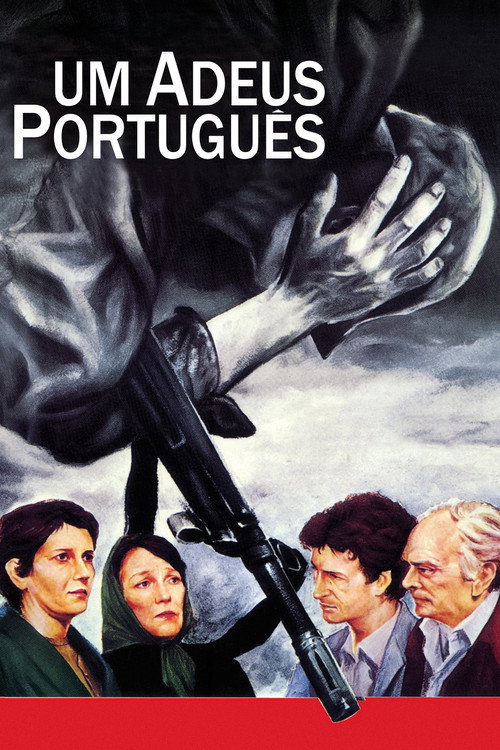
1986
No reviews yet. Be the first to share your thoughts on this movie!
Use the rating form above to leave a star rating and optional review.