
Dark Night, October 17, 1961
2005
No user ratings available yet
Representation score: 4.8 out of 10
Representation Score
Limited
2006
Director
Laurent Herbiet
Runtime
110 minutes
Average Rating
No ratings yetNew Showbiz Analysis
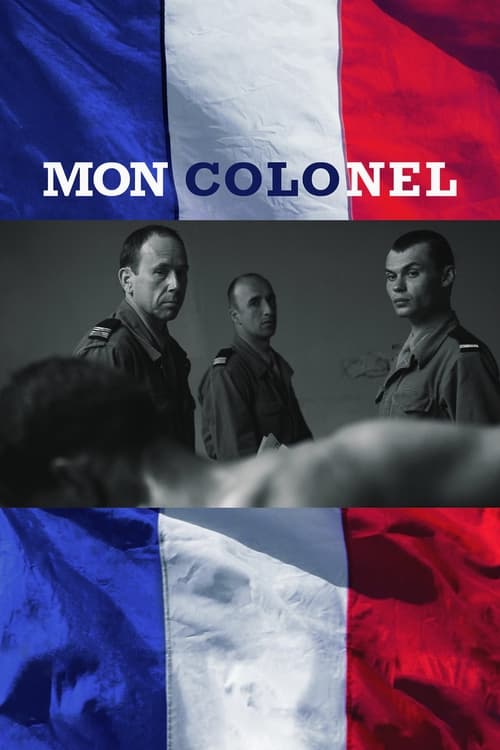
The Colonel serves as a sophisticated historical critique rather than a demographic showcase. While the casting is predominantly white and the perspective is filtered through a French lens, the film's narrative structure is progressive. It moves beyond standard period drama by dismantling myths of colonial benevolence. Instead of focusing on individual heroism, the story explores systemic wrongdoing and the psychological erosion caused by conflict. This focus on moral ambiguity and institutional decay provides a complex view of power dynamics. However, the film remains limited by its heavy reliance on masculine-coded themes and a lack of diverse gender representation, reflecting the rigid military hierarchies of the era.
Category Breakdown
The film adheres to the social structures of the mid-20th century and does not depict non-straight or non-cisgender identities or same-sex intimacy.
The narrative is heavily male-centric, driven by military command. While it avoids active misogyny, it lacks significant women's ability to drive the story as the plot is driven by male officers.
The film disrupts sanitized Western narratives by exposing the harsh realities of the Algerian War. It critiques imperialist structures through the lens of the colonial struggle.
The film excels at challenging traditional Western institutional morality. It deconstructs the glorified image of empire, framing the colonial institution as a site of systemic corruption and ethical decay.
There is no significant evidence regarding the portrayal of physical or neurodivergent disabilities within the narrative.
Present on Screen
Limited or Absent
Official Synopsis
'Reformed Colonel' Raoul Duplan is found dead in Paris, a couple of decades after Algeria's struggle for independence was won from France. Assigned to investigate, Lieutenant Galois receives the diary of Lieutenent Guy Rossi, who served under Duplan in Algeria in 1956, and has been reported as MIA since 1957. The revelations in Rossi's diary far surpass Duplan's actions in Algeria, and give insight on how dirty Algeria's War for Independence really was.
2005
1996
2007
2015

2020
2019
1982
2017
No reviews yet. Be the first to share your thoughts on this movie!
Use the rating form above to leave a star rating and optional review.