A Kiss for Corliss
1949
No user ratings available yet
Diversity score: 1.4 out of 10
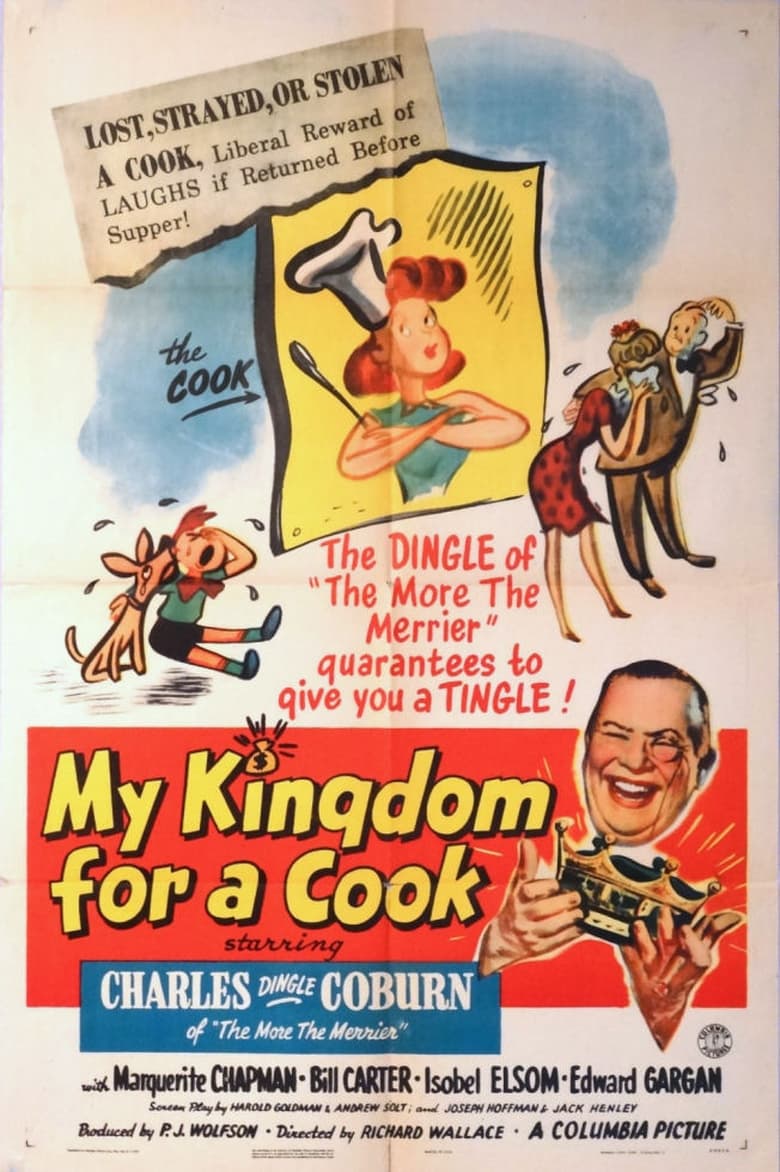
1943
ApprovedDirector
Richard Wallace
Runtime
81 minutes
Average Rating
No ratings yetSynopsis
While visiting Massachusetts, a famous English author faces the wrath of a socialite after stealing her chef.
Overall Score
Limited
Category Breakdown
LGBTQ+ Representation
The film lacks any evidence of non-heteronormative identities or same-sex intimacy. The central conflict follows a traditional narrative framework.
Gender Representation
A socialite serves as a primary source of conflict, granting her a degree of agency. However, the plot remains rooted in domestic spheres typical of 1940s cinema.
Racial & Ethnic Diversity
The story focuses on Anglo-centric social classes within a Massachusetts setting. There is no indication of a multi-ethnic cast or characters of color.
Religious & Cultural Diversity
The narrative explores class distinctions and Western social etiquette through famous authors and socialites. It reinforces traditional social hierarchies rather than deconstructing them.
Disability Representation
There is no mention of characters with visible or invisible disabilities. The synopsis provides no evidence of neurodivergent or physical disability representation.
Strengths
Areas for Improvement
AI Analysis
This 1943 comedy centers on class friction and professional rivalry between an English author and a socialite. The narrative architecture is built around domestic conflict and the ownership of a chef, reflecting the standard social structures of mid-century Hollywood. The film operates within a homogeneous framework, focusing on Western social etiquette and Anglo-centric class distinctions. It lacks intersectional complexity, offering a traditional period portrayal that adheres to the demographic norms of its era. Ultimately, the film serves as a study of individual ego and social hierarchy rather than a critique of systemic institutions or diverse identities.
1949
1943

1957
1943
1991

1941
1947
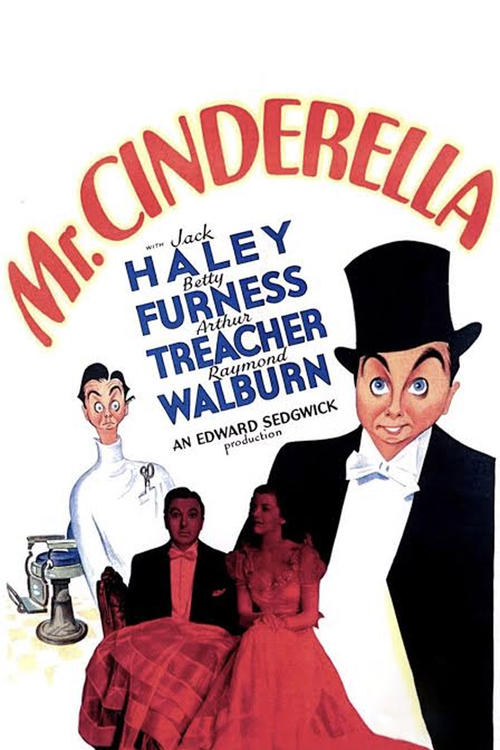
1936
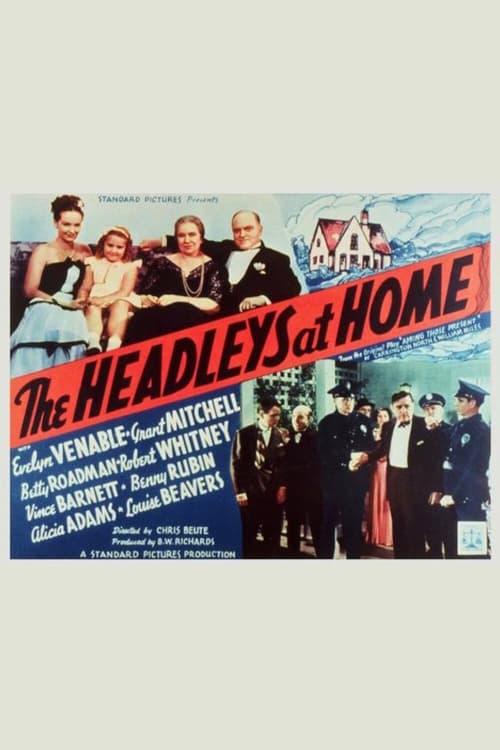
1938
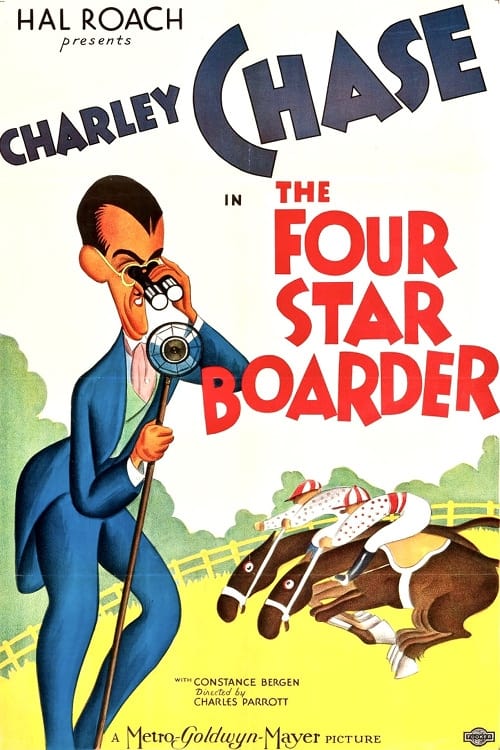
1935
1950
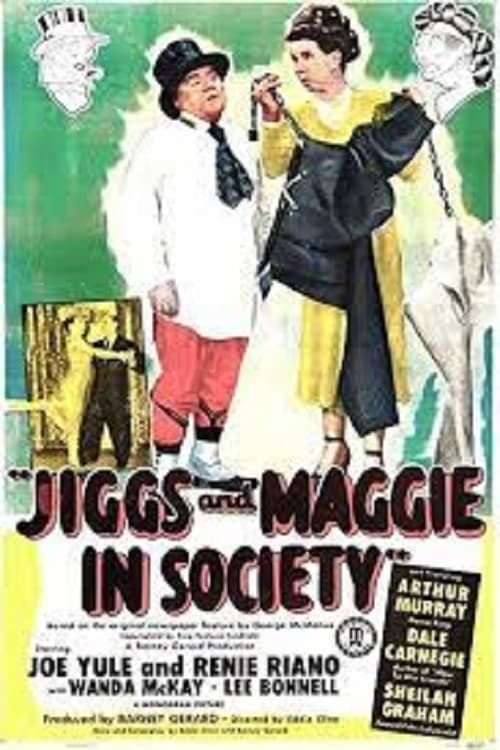
1947
No reviews yet. Be the first to share your thoughts on this movie!
Use the rating form above to leave a star rating and optional review.