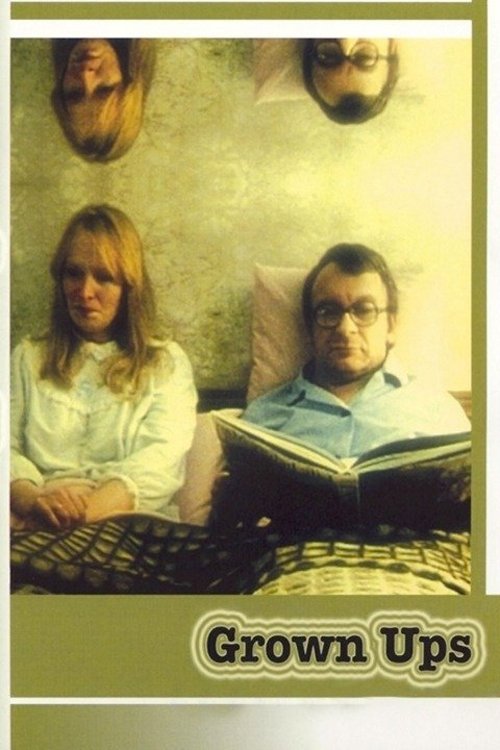
Grown-Ups
1980
No user ratings available yet
Representation score: 5.6 out of 10
Representation Score
Fair
1975
Director
Mike Leigh
Runtime
29 minutes
Average Rating
No ratings yetNew Showbiz Analysis
The film serves as a character study examining the erosion of traditional relational certainties. It uses a micro-lens to critique macro-shifts in societal values and domestic norms. While the work lacks high-visibility demographic diversity, it excels in narrative structure. It prioritizes individual subjective truth over religious or social mandates, making it a tool for social critique. Ultimately, the film's strength lies in its ability to question the stability of traditional cultural institutions through the lens of interpersonal misalignment.
Category Breakdown
The film's title hints at a theme involving changing attitudes towards sexuality. However, there are no explicit references to LGBTQ+ identities in the story.
The story focuses on a female protagonist who asserts her independence through her internal journey. Her realization of relationship dissatisfaction challenges traditional gender roles by prioritizing her emotional well-being.
The production likely reflects the demographic homogeneity of 1970s British social realism. There is no evidence of significant racial diversity in the cast.
The work challenges traditional Western institutions and the nuclear family. It aligns with themes of moral relativism and the deconstruction of established social roles.
The narrative contains no mention of characters dealing with physical or neurodivergent disabilities.
Present on Screen
Limited or Absent
Official Synopsis
During an evening spent at his house with his sister, a girl realizes that she doesn't really have much in common with her boyfriend.
1980
1983
1973
1989
1972
1984
1977

1979
No reviews yet. Be the first to share your thoughts on this movie!
Use the rating form above to leave a star rating and optional review.