Grown-Ups
1980
No user ratings available yet
Representation score: 5.6 out of 10
Representation Score
Fair
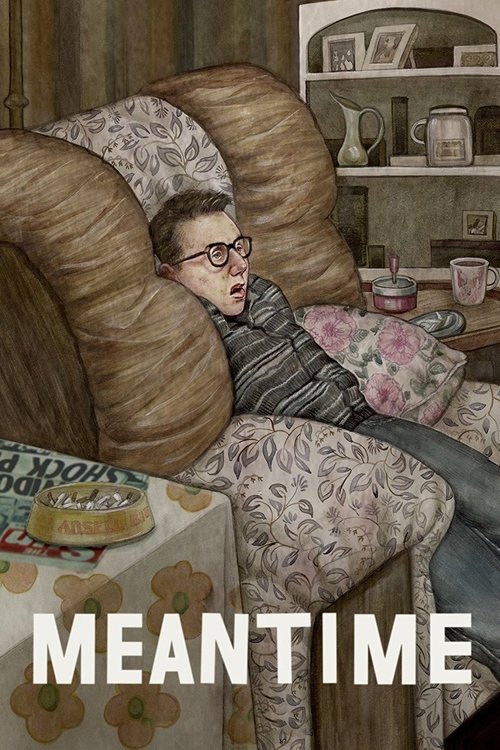
1983
Not RatedDirector
Mike Leigh
Runtime
107 minutes
Average Rating
No ratings yetNew Showbiz Analysis
Mike Leigh’s work provides a sharp, unromanticized look at the working class during the Thatcher era. By centering Mavis as the economic engine of the family, the film subverts traditional patriarchal structures and highlights the stagnation of the men in her life. However, the narrative is limited by its narrow demographic focus. The absence of racial, ethnic, or LGBTQ+ the way different parts of someone's identity overlap keeps the scope confined to a singular, homogeneous experience of the London East End. Ultimately, the film's strength lies in its systemic critique. It uses social realism to frame personal dysfunction as a direct symptom of a corrupt and indifferent state.
Category Breakdown
The film focuses on a strictly heterosexual and cisgender perspective, without including any queer identities or narratives that explore non-cisgender experiences.
Mavis disrupts traditional gender roles by serving as the sole provider for her household. This portrayal shifts the provider role away from men, depicting masculinity in a state of crisis.
The story is centered around the white working class in London, maintaining a homogeneous cast that does not engage with racial or ethnic diversity.
The film offers a profound critique of neoliberal capitalism and the Thatcherite era. It frames the economic system as a source of systemic oppression and decay.
Colin exhibits traits of extreme social anxiety and chronic timidity. His struggles are integrated into the socioeconomic atmosphere rather than serving as a standalone exploration of his disability.
Present on Screen
Limited or Absent
Official Synopsis
A working-class family in London's East End is struggling to stay afloat during the recession under Prime Minister Margaret Thatcher's premiership. Only the mother Mavis is working; father Frank and the couple's two sons Colin, a timid, chronically shy individual and Mark, an outspoken, headstrong young man, are on the dole. This situation is contrasted by the presence of Mavis's sister Barbara, and her husband John, whose financial and social loftiness appears to be a comfortable facade over the unspoken soreness of a lackluster marriage.
1980

1989

1991
1998
1972

1991

1979

1997
No reviews yet. Be the first to share your thoughts on this movie!
Use the rating form above to leave a star rating and optional review.