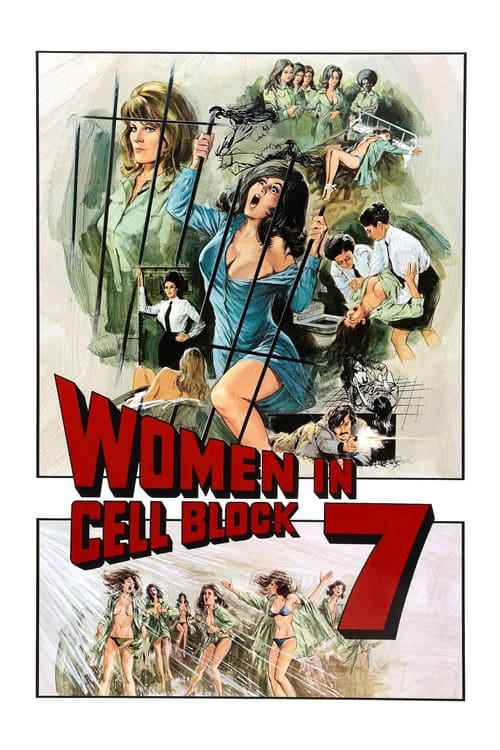
Women in Cell Block 7
1973
No user ratings available yet
Diversity score: 4.9 out of 10
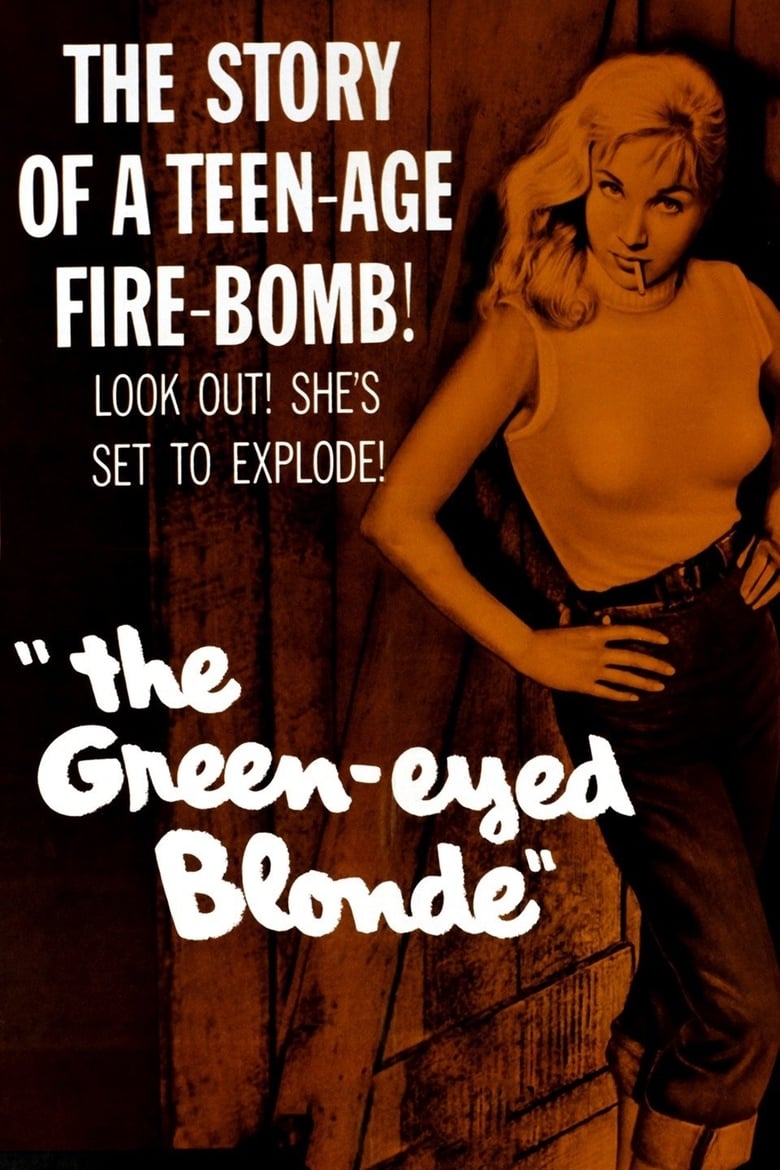
1957
NRDirector
Bernard Girard
Runtime
72 minutes
Average Rating
No ratings yetSynopsis
Blacklisted screenwriter Dalton Trumbo (working under the pseudonym “Sally Stubblefield”) tells a rough-edged tale of life inside a 1950s women’s reformatory. Set in the Martha Washington School for Girls—an institute for wayward teenagers and unwed mothers—THE GREEN-EYED BLONDE tackles a range of topical social issues as the inmates band together to help out one of their own when she refuses to give up her child.
Overall Score
Fair
Category Breakdown
LGBTQ+ Representation
The film lacks explicit evidence of LGBTQ+ characters or non-heteronormative identities. While it explores female solidarity among inmates, it does not address queer identity or sexual orientation.
Gender Representation
The narrative centers on a collective of women navigating a restrictive, male-governed institution. It grants agency to marginalized groups, such as unwed mothers, by positioning maternal instinct as a challenge to authority.
Racial & Ethnic Diversity
The film likely adheres to the homogeneous casting standards typical of 1950s crime dramas. There is no explicit evidence of a non-white majority or diverse racial composition in the cast.
Religious & Cultural Diversity
The story engages deeply with institutional critique, framing the reformatory as a site of conflict. It explores collective resistance against systemic oppression and questions rigid mid-century social morality.
Disability Representation
There is no information available regarding the portrayal of physical, neurodivergent, or mental health disabilities within the film.
Strengths
Areas for Improvement
AI Analysis
The Green-Eyed Blonde serves as a mid-century social realist critique of institutional power. By focusing on the struggles of women within a reformatory, the film disrupts traditional patriarchal hierarchies of the 1950s. While the film excels at portraying female agency and systemic friction, it remains limited by the era's social constraints. It lacks explicit intersectional markers, particularly regarding racial diversity and LGBTQ+ identities. Ultimately, the film's strength lies in its exploration of the individual versus the state, driven by a narrative that prioritizes the autonomy of marginalized women over institutional mandates.
1973
1955
1953
1950
1973

1958
1950
1954
1933
1957
1949
1943
No reviews yet. Be the first to share your thoughts on this movie!
Use the rating form above to leave a star rating and optional review.