Reform School Girl
1957
No user ratings available yet
Representation score: 2.3 out of 10
Representation Score
Limited
1958
NRDirector
Edward Bernds
Runtime
69 minutes
Average Rating
No ratings yetNew Showbiz Analysis
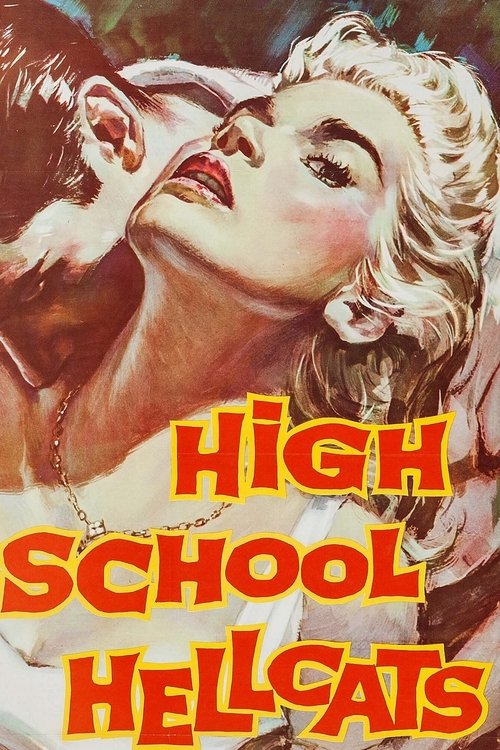
High School Hellcats is a mid-century social drama centered on youth delinquency and adolescent rebellion. While it challenges traditional gender norms by empowering an all-female ensemble to resist authority, the film remains tied to the era's traditional social and racial hierarchies. The narrative tension arises from the friction between individualistic rebellion and the perceived necessity of domestic stability. This focus on moralistic consequences limits the film's depth. Ultimately, the work lacks the complexity found in modern cinema, functioning instead as a period-typical exploration of domestic and institutional breakdown.
Category Breakdown
The film focuses on the protagonist's interactions with boys. There is no indication of queer subtext or non-straight relationships within the narrative.
The story centers on an all-female gang that actively challenges institutional authority. These characters play a significant role in driving the plot rather than being passive observers.
The narrative lacks evidence of a diverse or non-Anglo-Saxon cast. It appears to reflect the homogeneous social structures typical of 1958 American cinema.
The film critiques the nuclear family and educational authority through Joyce's domestic dissatisfaction. However, it maintains mid-century moralism by framing her rebellion as depravity.
There is no information available regarding the inclusion of characters with visible or invisible disabilities.
Present on Screen
Limited or Absent
Official Synopsis
The Hellcats are an all-female gang bent on bucking authority at their high school. New student Joyce moves into the neighborhood and quickly draws their attention. Desperate for acceptance and unhappy with her home life, she becomes close to the Hellcats and begins drinking, dancing and meeting boys. Can Joyce's parents stop her descent into depravity?
1957
1950

1958

1955
1958

1979
1949
1955
No reviews yet. Be the first to share your thoughts on this movie!
Use the rating form above to leave a star rating and optional review.