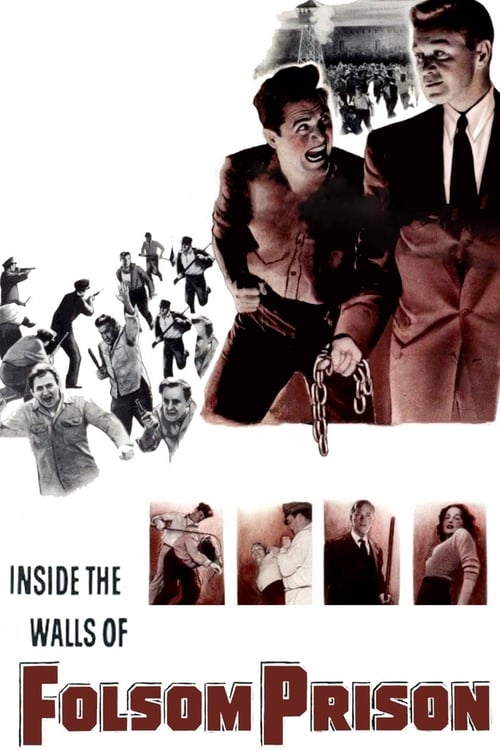
Inside the Walls of Folsom Prison
1951
No user ratings available yet
Representation score: 2.9 out of 10

Representation Score
Fair
1954
Not RatedDirector
Don Siegel
Runtime
80 minutes
Average Rating
No ratings yetNew Showbiz Analysis
Riot in Cell Block 11 is a transitional film that finds its strength in subverting gendered expectations. By placing women in roles of leadership and rebellion, it disrupts the mid-century cliché of female passivity. However, the film remains limited by the era's demographic constraints. The lack of racial, ethnic, and LGBTQ+ diversity keeps the narrative within a very narrow, homogeneous framework. Ultimately, the film's progressive edge lies in its systemic critique. It frames the riot not as mere chaos, but as a legitimate response to institutional injustice and corruption.
Category Breakdown
The film does not include any characters identifying as LGBTQ+. It focuses on traditional mid-century interpersonal dynamics without exploring non-straight relationships or same-sex intimacy.
The story centers on female leadership and ability to act within a violent setting. Ida Lupino's character challenges the era's passive stereotypes by driving collective action and physical confrontations.
The cast is predominantly white, reflecting the casting norms of 1954. There is no significant minority representation or intentional characters who reflect more than one aspect of diversity.
The film critiques institutional authority by depicting the penal system as corrupt. The rebellion highlights how Western institutions maintain stability through oppression.
There is no nuanced portrayal of physical or neurodivergent disabilities. Characters are defined by their social status and prison hierarchy rather than disability-related issues.
Present on Screen
Limited or Absent
Official Synopsis
A prisoner leads his counterparts in a protest for better living conditions which turns violent and ugly.
1951

1947
1950

1980

1976

1987
1955

1979
No reviews yet. Be the first to share your thoughts on this movie!
Use the rating form above to leave a star rating and optional review.