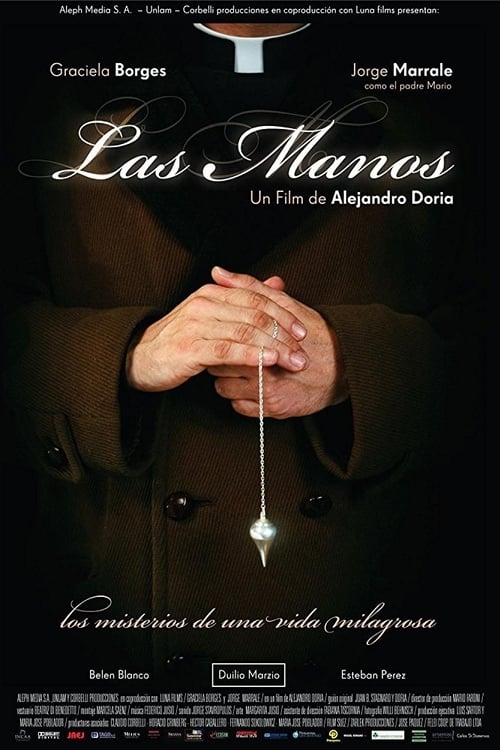
The Hands
2006
No user ratings available yet
Representation score: 5.4 out of 10

Representation Score
Good
2008
TV-14Director
Javier Fesser
Runtime
143 minutes
Average Rating
No ratings yetNew Showbiz Analysis
Camino is a powerful character study that centers on a child with a physical deformity, challenging conventional notions of wholeness and confronting the cruelty of rigid social hierarchies. The film's strength lies in its refusal to sanitize the stigma associated with disability, offering a deep analysis of neuro-physical differences and the systemic exclusion of those deemed 'other.' However, the film's impact is limited by its specific, homogeneous setting. The lack of LGBTQ+ representation and multi-ethnic casting restricts a broader multi-layered dialogue, keeping the scope strictly localized to its specific cultural environment.
Category Breakdown
The film does not include any explicit LGBTQ+ characters or non-traditional romantic narratives. The story focuses solely on the protagonist's physical condition and his immediate family.
The narrative explores gender roles by highlighting a mother's resilience against a patriarchal community. It questions the effectiveness of male authority figures, showing their traditional views as sources of dysfunction.
Set in a homogeneous rural Spanish context, the film does not prioritize multi-ethnic casting. The localized setting limits the scope for broader racial diversity.
The film offers a sophisticated critique of organized religion and folk superstition. It portrays the community's religious fervor as an oppressive force that stifles individual identity.
The film provides exceptional representation by giving the protagonist a significant role in driving the story. It explores the psychological reality of living with a deformity without resorting to inspirational stories.
Present on Screen
Limited or Absent
Official Synopsis
A religious organization interferes with the life of a terminally ill girl.
2006

2014

2009

2012

2004

2001

2007

2009
No reviews yet. Be the first to share your thoughts on this movie!
Use the rating form above to leave a star rating and optional review.