
Faustina: Love and Mercy
2019
No user ratings available yet
Representation score: 1.2 out of 10

Representation Score
Minimal
1993
TV-PGDirector
Ben Yalung
Runtime
110 minutes
Average Rating
No ratings yetNew Showbiz Analysis
This biographical drama prioritizes religious orthodoxy and historical accuracy over the disruption of social hierarchies. The narrative serves to reinforce established spiritual values rather than explore multi-layered complexity. While the film highlights a female lead, the religious context confines gender representation to traditional roles of sanctity. The focus remains strictly on hagiographic storytelling. Ultimately, the film functions as a celebration of singular Christian morality. It lacks progressive representation, focusing instead on preserving spiritual traditions and ecclesiastical authority.
Category Breakdown
The film does not include any LGBTQ+ characters or those with non-cisgender identities. It centers on Catholic mysticism and monastic devotion within a traditional framework.
Sister Faustina serves as a key female character. However, her role is defined by spiritual discipline and submission to divine authority rather than challenging gender norms.
The production likely features a culturally specific cast tailored for a Southeast Asian audience. It does not use race-bending or multi-layered casting as a narrative device.
The film celebrates traditional Catholic institutions and morality. It reinforces the sanctity of the faith and emphasizes adherence to ecclesiastical traditions and prayer.
There is no documented evidence regarding the portrayal of physical or neurodivergent disabilities in this biographical drama.
Present on Screen
Limited or Absent
Official Synopsis
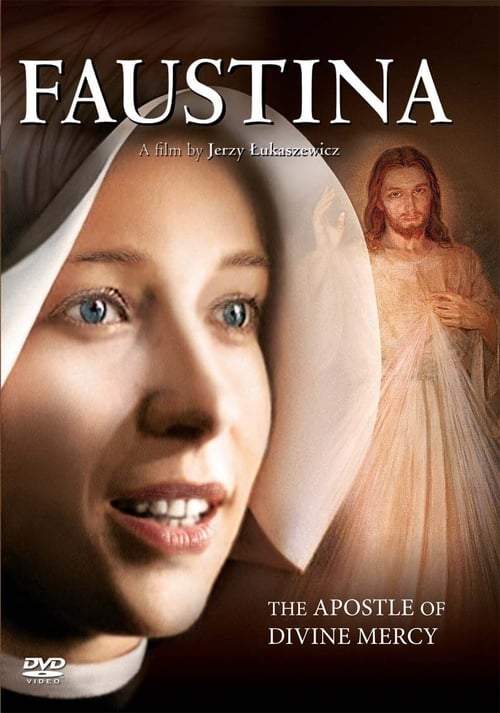
A true to life story of Blessed sister Faustina and the prayer that we are now reciting popularly called the 3 o'clock habit started and spread out all over the world.
2019

1943

2011

2014

1999

2013
1995

2020
No reviews yet. Be the first to share your thoughts on this movie!
Use the rating form above to leave a star rating and optional review.