
I Loved an Armchair
1971
No user ratings available yet
Diversity score: 3.2 out of 10
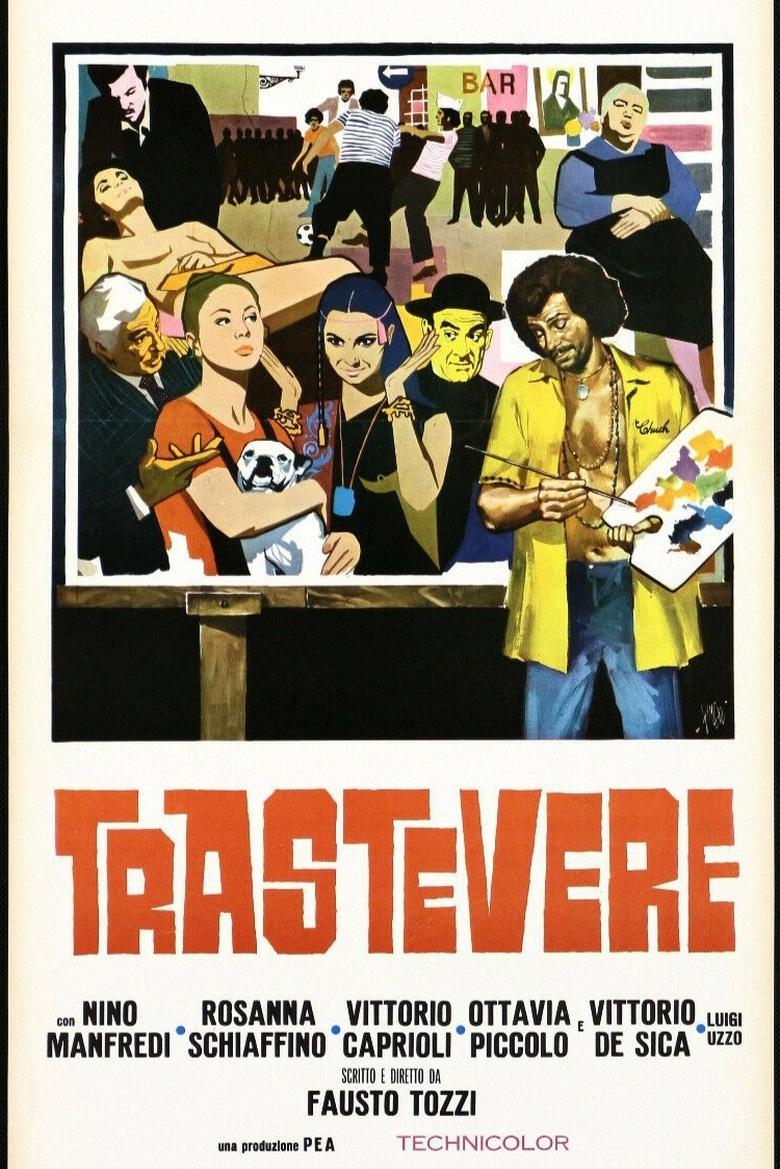
1971
Director
Fausto Tozzi
Runtime
98 minutes
Average Rating
No ratings yetSynopsis
A retired actor's search for his stray pet strings together this episodic portrait of the ancient Roman quarter.
Overall Score
Limited
Category Breakdown
LGBTQ+ Representation
The film lacks evidence of non-cisnormative identities or narratives that critique heteronormativity. It appears to adhere to the social norms of early 1970s Italy.
Gender Representation
Prominent female leads like Rosanna Schiaffino and Ottavia Piccolo are present. However, the film lacks clear evidence of subverting gender hierarchies or demonstrating significant female agency.
Racial & Ethnic Diversity
The narrative focuses on a specific Roman quarter, suggesting a homogeneous cast. There is no evidence of significant non-European diversity within the character vignettes.
Religious & Cultural Diversity
The story celebrates local Roman identity and traditional community structures. It remains grounded in conventional, humanistic storytelling without disrupting traditional institutional portrayals.
Disability Representation
There is no documented evidence regarding the portrayal of physical or neurodivergent disabilities in this production.
Strengths
Areas for Improvement
AI Analysis
Trastevere functions as a localized, episodic character study set in an ancient Roman quarter. The narrative follows a retired actor searching for a pet, which suggests a focus on humanistic vignettes rather than systemic social critique. The film reflects the cinematic conventions of 1971 Italy. It leans toward traditional comedic tropes and social structures, prioritizing localized cultural norms over intersectional identity politics or the deconstruction of power dynamics. Ultimately, the film serves as a portrait of a specific time and place, maintaining a demographic and social homogeneity typical of its era and genre.
1971

1963
1953
1991
1982

1985

1984
1987

1963
1976
2017

1967
No reviews yet. Be the first to share your thoughts on this movie!
Use the rating form above to leave a star rating and optional review.