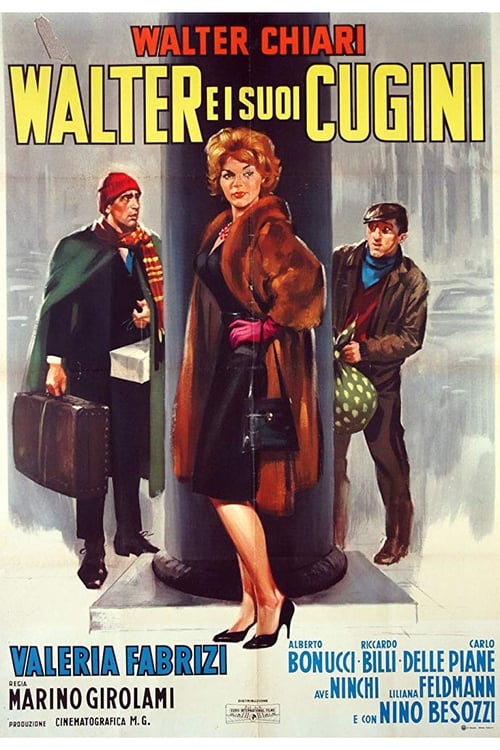
Walter e i Suoi Cugini
1961
No user ratings available yet
Representation score: 1.8 out of 10
Representation Score
Limited
1953
Director
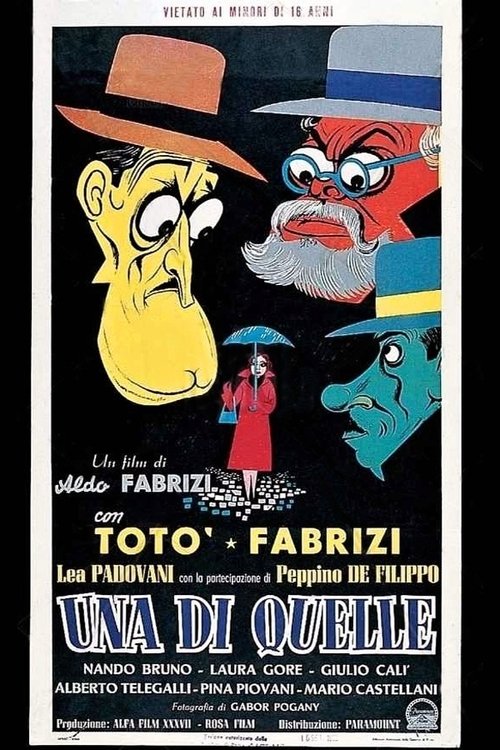
Aldo Fabrizi
Runtime
86 minutes
Average Rating
No ratings yetNew Showbiz Analysis
Aldo Fabrizi’s comedy operates within the traditional cinematic frameworks of post-war Italy. The film centers on class dynamics, specifically the movement of wealthy country-estate owners into the city, rather than exploring multi-layered identities. The narrative relies on established social hierarchies and lacks the subversion or diverse representation needed to move beyond the demographic norms of its era. Ultimately, the film serves as a period-specific character study that adheres to the conventional social structures of 1953.
Category Breakdown
The film adheres to the conventional social structures typical of 1950s Italian comedy. There are no LGBTQ+ characters or narratives that challenge the assumption that everyone is straight or cisgender.
Central roles are focused on the male protagonists, Rocco and Martino. The plot is driven by these two brothers, reflecting traditional mid-century gender hierarchies.
The cast appears ethnically homogeneous, consistent with the film's 1953 Italian production context. There is no indication of diverse racial casting or non-human metaphors.
The story explores the friction between rural estate owners and urban life. It focuses on traditional social observations rather than critiquing religious or Western institutions.
There is no information available regarding the portrayal of physical or neurodivergent characters in this production.
Present on Screen
Limited or Absent
Official Synopsis
Rocco and his brother Martino are two rich country-estate owners who descend upon the city in search of adventure.
1961

1952
1996
1972
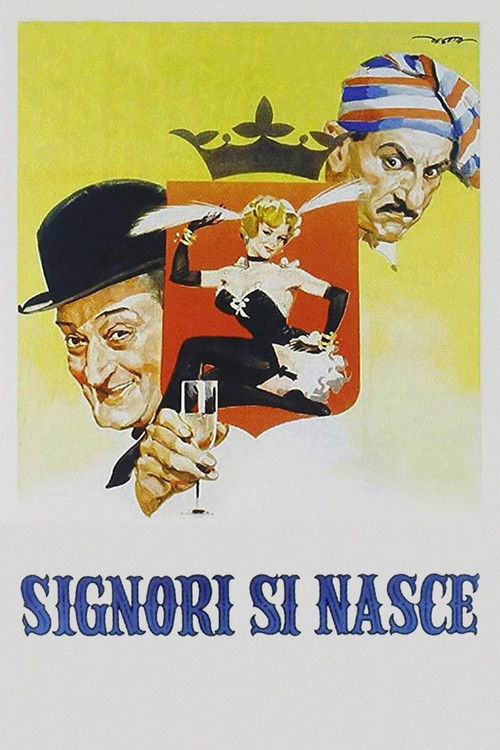
1960
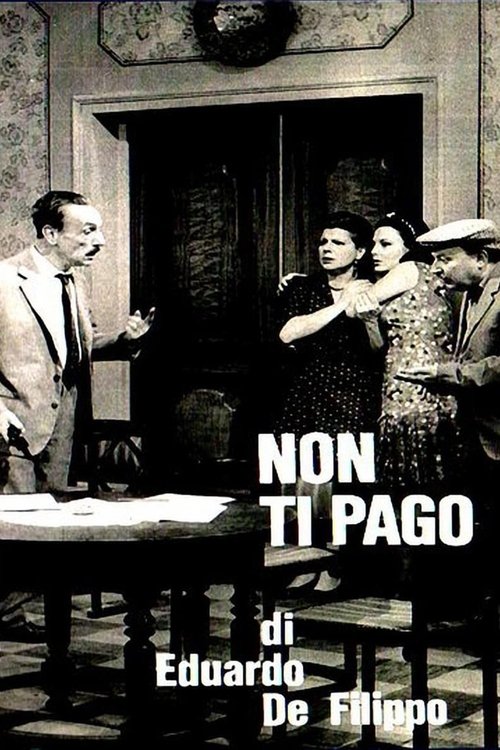
1964
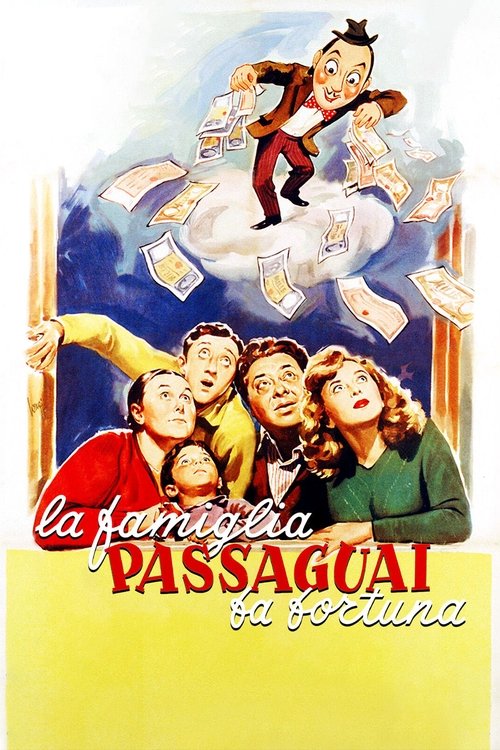
1952
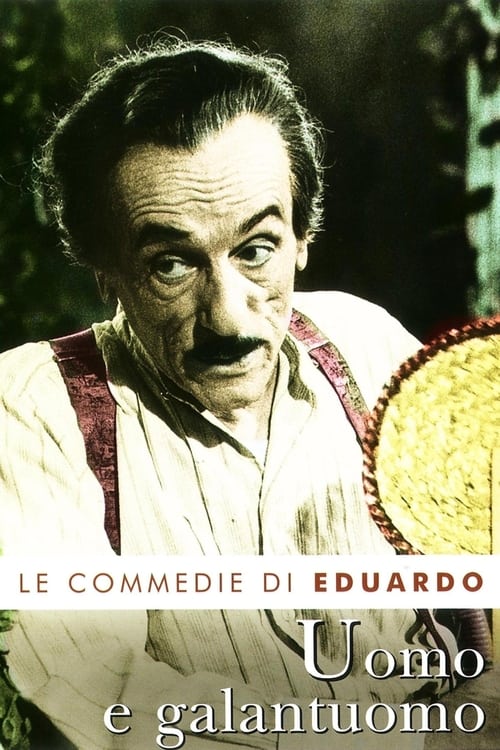
1975
No reviews yet. Be the first to share your thoughts on this movie!
Use the rating form above to leave a star rating and optional review.