Find another title
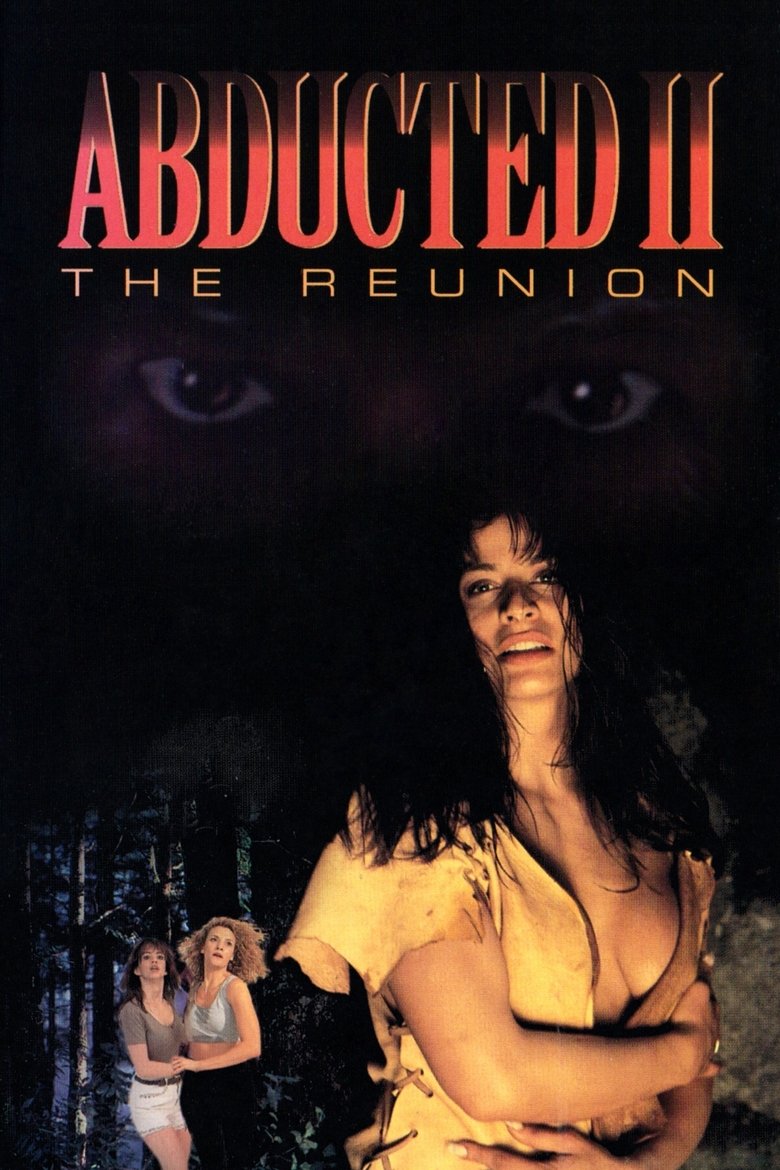
Abducted II: The Reunion
1994
RDirector
Boon Collins
Runtime
92 minutes
Average Rating
No ratings yetSynopsis
While a hunting guide takes a big-game hunter into the wilderness, his dead son comes back to life to terrorize three female campers.
Where to Watch
Diversity & Representation
Overall Score
Limited
Category Breakdown
LGBTQ+ Representation
The film lacks any evidence of non-cisnormative identities or same-sex intimacy. It follows a traditional heteronormative framework typical of 1990s horror.
Gender Representation
Female characters serve primarily as targets of terror within a wilderness setting. While multiple women are present, they largely occupy victim archetypes rather than demonstrating significant agency.
Racial & Ethnic Diversity
The cast and backwoods setting align with historically homogeneous depictions of rural American narratives. There is no evidence of diverse ethnic ensembles or intentional racial blending.
Religious & Cultural Diversity
Themes focus on localized Western archetypes like hunting and wilderness survival. The story centers on supernatural conflict rather than providing sociopolitical or systemic commentary.
Disability Representation
The narrative features a character returning from the dead, but lacks specific portrayal of physical disabilities or neurodivergence as part of a character's identity.
Strengths
- The presence of multiple female leads provides a baseline level of female inclusion in the cast.
Areas for Improvement
- The film relies on outdated 'damsel in distress' tropes for its female characters.
- The narrative lacks racial and ethnic diversity, favoring a homogeneous cast.
- There is a notable absence of LGBTQ+ representation or non-cisnormative identities.
- The story lacks engagement with diverse cultural or sociopolitical themes.
AI Analysis
Abducted II: The Reunion functions as a standard genre piece that prioritizes established 1990s horror tropes over inclusive storytelling. The narrative structure reinforces conventional social hierarchies rather than challenging them through diverse perspectives. The film relies heavily on traditional archetypes, such as the female victim and the rural mountain man. This approach results in a narrow demographic focus that lacks intersectional depth or progressive representation. Ultimately, the production reflects the demographic norms of mid-90s independent horror, offering a localized survival story without broader cultural or social commentary.
Rate this Movie
Reviews
No reviews yet. Be the first to share your thoughts on this movie!
Use the rating form above to leave a star rating and optional review.