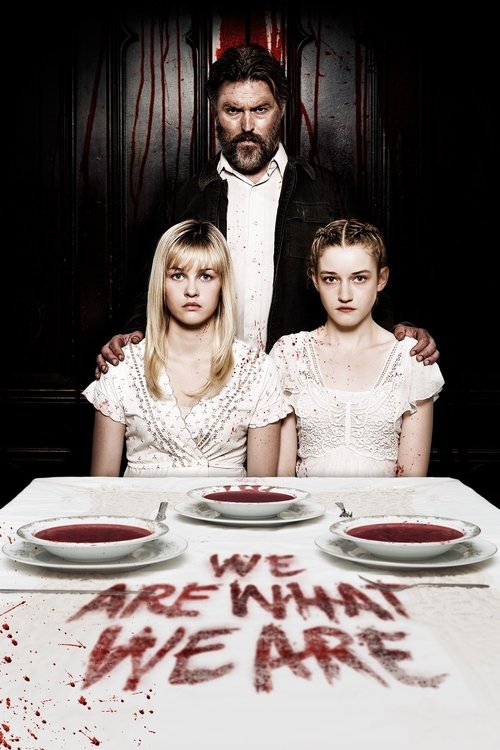
We Are What We Are
2013
No user ratings available yet
Representation score: 2.7 out of 10
Representation Score
Limited
2011
RDirector
David Keating
Runtime
90 minutes
Average Rating
No ratings yetNew Showbiz Analysis
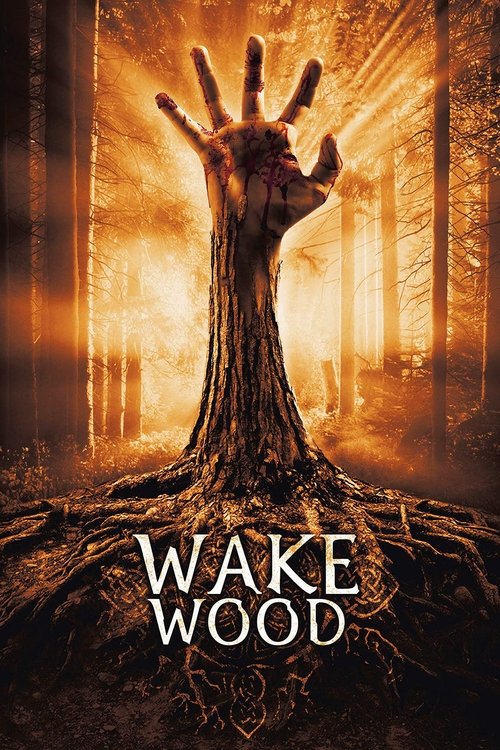
Wake Wood is a character-driven psychological thriller that prioritizes thematic exploration of grief and folklore over demographic breadth. The film operates within a very specific, homogeneous cultural framework, limiting its reach in terms of diverse representation. While the film lacks significant racial and LGBTQ+ diversity, it finds strength in its subversion of gendered ability to act. By centering the narrative on a woman's drive to defy nature, it moves beyond passive domestic horror clichés. Ultimately, the film's moderate score stems from its engagement with subjective morality. It challenges objective truths by framing a profound ethical dilemma through the lens of personal loss and mythic tradition.
Category Breakdown
The film focuses exclusively on a traditional nuclear family unit and does not include any LGBTQ+ characters or explore non-straight relationships.
Claire serves as the primary driver of the plot, offering a meaningful departure from passive female roles. She actively challenges traditional gender norms, providing a nuanced perspective on gendered roles.
The cast is predominantly white, reflecting a specific rural British setting. The narrative lacks ethnic diversity and does not engage with multicultural dynamics.
The story uses pagan-adjacent folklore instead of organized religion. It explores moral relativism by prioritizing personal grief over established communal or natural laws.
There are no prominent depictions of physical or neurodivergent disabilities. The characters' struggles focus on psychological and emotional trauma.
Present on Screen
Limited or Absent
Official Synopsis
The parents of a girl who was killed by a savage dog are granted the opportunity to spend three days with their deceased daughter.
2013

2016
1977
2009
2013

1973

2015
2019
No reviews yet. Be the first to share your thoughts on this movie!
Use the rating form above to leave a star rating and optional review.