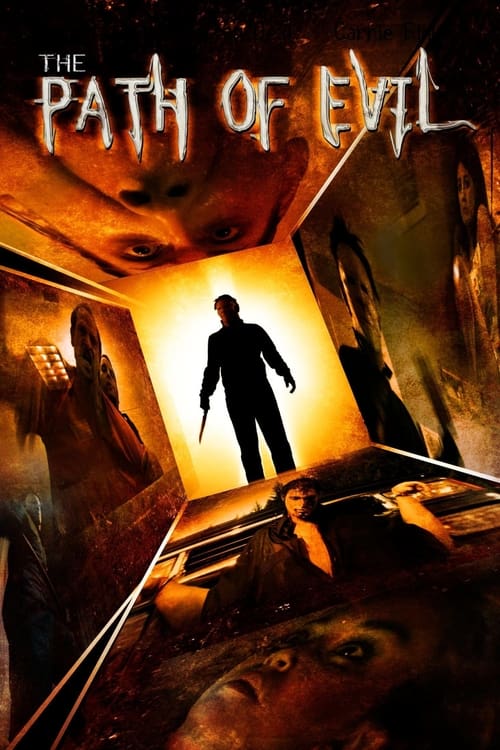
The Path of Evil
2005
No user ratings available yet
Representation score: 0.8 out of 10
Representation Score
Minimal
1996
RDirector
Adam Grossman
Runtime
98 minutes
Average Rating
No ratings yetNew Showbiz Analysis
This horror sequel functions as a conventional genre piece that prioritizes established supernatural clichés over progressive storytelling. It adheres to the mid-1990s cinematic landscape, focusing on survivalist themes rather than identity politics. The film does not engage with systemic power dynamics or the subversion of social institutions. Instead, it relies on archetypal character roles and a traditionalist approach to narrative structure. Ultimately, the work reflects a period of filmmaking where the primary conflict is centered on the struggle between characters and supernatural entities rather than social or cultural representation.
Category Breakdown
The film follows a traditional structure that assumes everyone is straight or cisgender. It does not include characters with non-traditional gender identities or stories that question established social norms.
The story relies on typical genre clichés, such as the damsel-in-distress cliché. It centers on a father protecting his daughter but does not challenge traditional gender roles.
The setting suggests a localized, homogeneous small-town environment. There is no indication of a diverse cast that breaks the traditional Anglo-Saxon majority found in 90s horror.
The plot focuses on familial protection and survival. It aligns with traditional Western values of the nuclear family without questioning these values as oppressive institutions.
There is no specific evidence regarding the inclusion or portrayal of characters with visible or invisible disabilities within the narrative.
Present on Screen
Limited or Absent
Official Synopsis
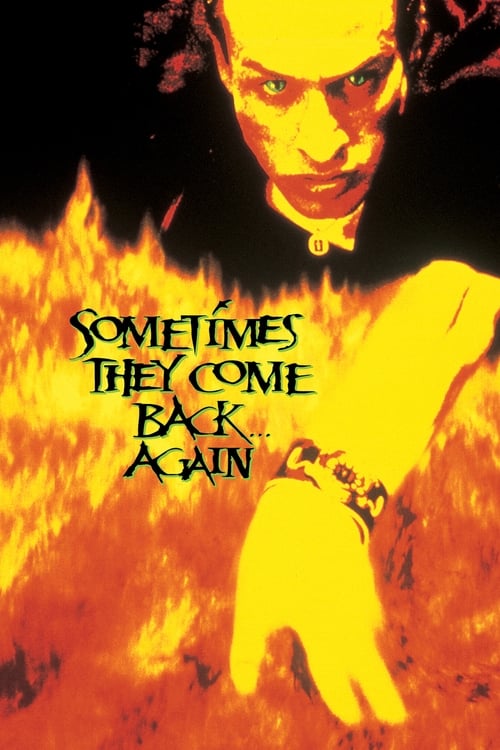
Jon Porter comes home for a funeral and walks straight back into hell. The demons who butchered his sister are back, nastier than ever, and now they want his daughter, body and soul.
2005
1995

1994
2023

2003
1989
1983
2009
No reviews yet. Be the first to share your thoughts on this movie!
Use the rating form above to leave a star rating and optional review.