Pet Sematary
1989
No user ratings available yet
Representation score: 3.4 out of 10
Representation Score
Limited
1992
RDirector
Mary Lambert
Runtime
100 minutes
Average Rating
No ratings yetNew Showbiz Analysis
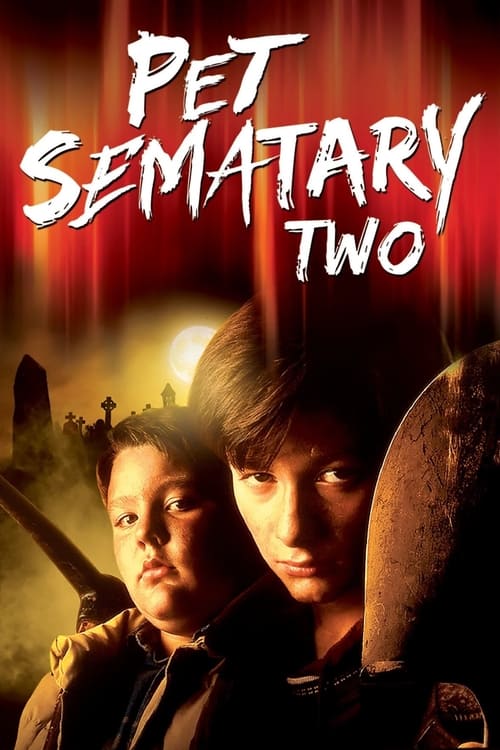
Pet Sematary II explores themes of grief and the breaking of natural boundaries through supernatural horror. The narrative centers on the breakdown of the nuclear family. While the film challenges the idealized family unit, it does so using horror elements rather than social commentary. The storytelling remains rooted in traditional horror conventions of the time. The film lacks meaningful representation of diverse identities and fails to provide complex character development.
Category Breakdown
The film adheres to a traditional framework that assumes everyone is straight or cisgender. It does not include any LGBTQ+ characters or non-binary gender identities.
The characters mostly fit into conventional roles focused on parental care and domestic life. The story does not significantly challenge traditional gender roles.
The cast and setting depict a rural Maine community with a single demographic norm. The story does not explore diverse backgrounds or multi-layered identities.
The story portrays the vulnerability of the traditional family unit through the lens of supernatural horror, focusing on individual grief rather than broader social issues.
The film does not focus on neurodivergence or physical disabilities. Characters face psychological trauma and supernatural threats rather than disabilities.
Present on Screen
Limited or Absent
Official Synopsis
The "sematary" is up to its old zombie-raising tricks again. This time, the protagonists are Jeff Matthews, whose mother died in a Hollywood stage accident, and Drew Gilbert, a boy coping with an abusive stepfather.
1989
1986
1982

1988

1992
1983
1991

1984
No reviews yet. Be the first to share your thoughts on this movie!
Use the rating form above to leave a star rating and optional review.