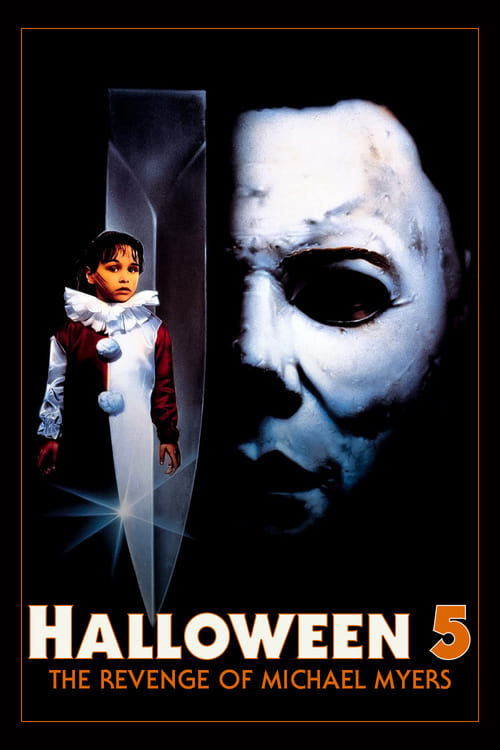
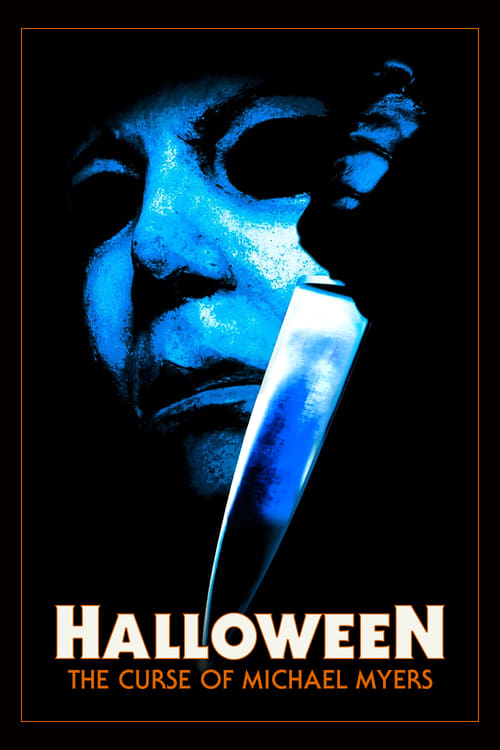
Halloween 5: The Revenge of Michael Myers
1989
No user ratings available yet
Representation score: 3.3 out of 10
Representation Score
Fair
1995
RDirector
Joe Chappelle
Runtime
88 minutes
Average Rating
No ratings yetNew Showbiz Analysis
This installment shifts the franchise from Haddonfield to Los Angeles, introducing a cult-centric supernatural framework. While the setting change offers a more diverse demographic backdrop, the film remains tied to traditional horror clichés. It prioritizes expanding the Michael Myers mythos over engaging with social hierarchies. The narrative focuses on the mechanics of a clandestine organization rather than deconstructing systemic identities. Consequently, the film functions as a genre-standard piece that emphasizes tension and survival over progressive representation or the overlapping aspects of identity.
Category Breakdown
The film does not include any visible LGBTQ+ characters or narratives. Relationships and identities center around assumptions that everyone is straight or cisgender.
Female characters like Kara play a significant role in driving the survival narrative through the 'final girl' framework. While they take control in dangerous situations, the film adheres to conventional genre expectations regarding gendered vulnerability.
The Los Angeles setting provides a more diverse backdrop compared to previous suburban entries. However, the narrative does not explore racial ability to act or the overlapping aspects of identity through this setting.
A cult-like organization disrupts community stability, framed as supernatural horror. The film maintains a traditional moral framework focused on survival rather than social critique.
There is no significant portrayal of characters with visible or invisible disabilities. The film avoids using disability as a central component of character development or a narrative device.
Present on Screen
Limited or Absent
Official Synopsis
Six years after being presumed dead in a fire, and just as the town prepares to finally celebrate Halloween again, Michael Myers returns to Haddonfield to continue his reign of terror.
1989

1988
1998
1988
1978
1984
2018
1989
No reviews yet. Be the first to share your thoughts on this movie!
Use the rating form above to leave a star rating and optional review.