
I Still Know What You Did Last Summer
1998
No user ratings available yet
Representation score: 2.1 out of 10
Representation Score
Limited
1986
RDirector
Tom McLoughlin
Runtime
86 minutes
Average Rating
No ratings yetNew Showbiz Analysis
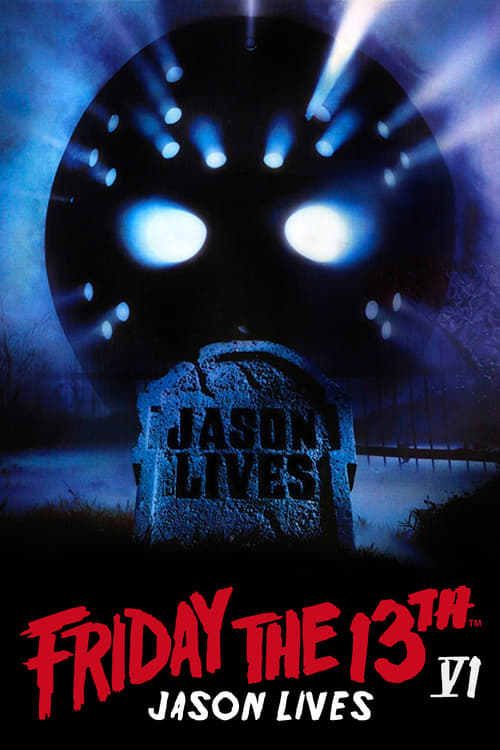
Jason Lives functions as a classic product of its era, emphasizing survivalist clichés over diverse representation. Its innovation lies in its self-aware, postmodern tone rather than in challenging social hierarchies. The narrative stays focused on demographic homogeneity and traditional character types, concentrating on the mechanics of the slasher genre rather than exploring diverse identities or systemic critiques. Ultimately, the film's creativity is directed toward genre rebellion and meta-humor, leaving little room for meaningful social or identity-based exploration.
Category Breakdown
The film does not include any LGBTQ+ characters or explore non-straight relationships. It focuses on traditional teenage dynamics without addressing queer identities.
Gender roles follow typical horror movie clichés. Female characters often play the 'Final Girl' role, serving as targets rather than driving the narrative through their own actions.
The casting is primarily white and reflects 1980s slasher standards. The ensemble lacks diversity, showing mostly Anglo-Saxon actors.
Cultural elements like séances are used as plot devices to create tension rather than philosophical explorations. Authority figures are shown as ineffective to increase suspense.
There is no meaningful representation of physical or neurodivergent disabilities. The protagonist's psychological trauma is used as a standard horror motivation without deeper exploration.
Present on Screen
Limited or Absent
Official Synopsis
Tommy Jarvis, tormented by the fear that maybe Jason isn't really dead, unwittingly resurrects the mass murderer for another bloody rampage.
1998

1985

2017

1981
2010

1989

1984
1981
No reviews yet. Be the first to share your thoughts on this movie!
Use the rating form above to leave a star rating and optional review.