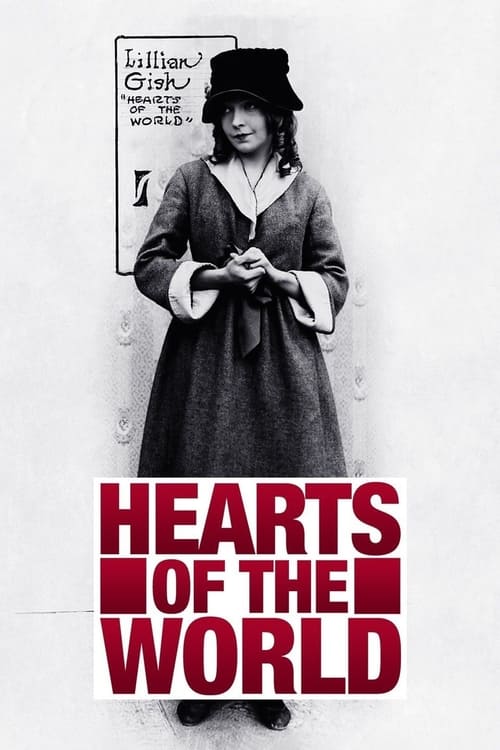
Hearts of the World
1918
No user ratings available yet
Diversity score: 1.9 out of 10

1932
Not RatedDirector
Raymond Bernard
Runtime
110 minutes
Average Rating
No ratings yetSynopsis
The young and patriotic student Demachy joins the French army in 1914 to defend his country. But he and his comrades soon experience the terrifying, endless trench war in Champagne, where more and more wooden crosses have to be erected for this cannon fodder.
Overall Score
Minimal
Category Breakdown
LGBTQ+ Representation
The film adheres to traditional romantic and familial structures of early 20th-century France. There is no evidence of non-cisnormative identities or same-sex intimacy.
Gender Representation
Men occupy the active, violent space of the trenches while women are relegated to domestic spheres of mourning. The film reinforces traditional gender hierarchies and conventional roles.
Racial & Ethnic Diversity
The cast is ethnically homogeneous, reflecting the demographic realities of the French peasantry in 1914. It presents a largely white, agrarian population without diverse ethnic perspectives.
Religious & Cultural Diversity
Religious institutions like the Church serve as central, stabilizing pillars for communal mourning. The film emphasizes shared national suffering within the existing social order.
Disability Representation
Physical and psychological trauma are used to illustrate the brutality of war. These elements serve thematic purposes rather than exploring nuanced lived experiences of disability.
Strengths
Areas for Improvement
AI Analysis
Raymond Bernard’s historical drama focuses on the collective tragedy of the Western Front rather than the exploration of individual identity. The film is a humanistic depiction of industrial warfare that prioritizes national suffering and traditional social structures over the subversion of established hierarchies. The narrative is deeply rooted in the social mores of 1914, emphasizing patriotism and religious communalism. While it provides a profound critique of the horrors of war, it does not attempt to deconstruct the era's racial, gendered, or social norms. Ultimately, the film functions as a classic work of historical realism. It captures the scale of loss through a traditional lens, offering little representation of marginalized identities or diverse social perspectives.
1918
1955

1934
1944
1940
1931
1935
1942
1940
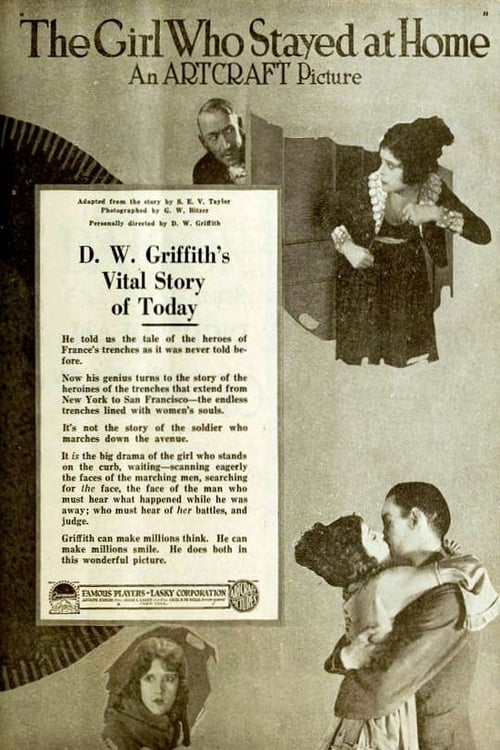
1919
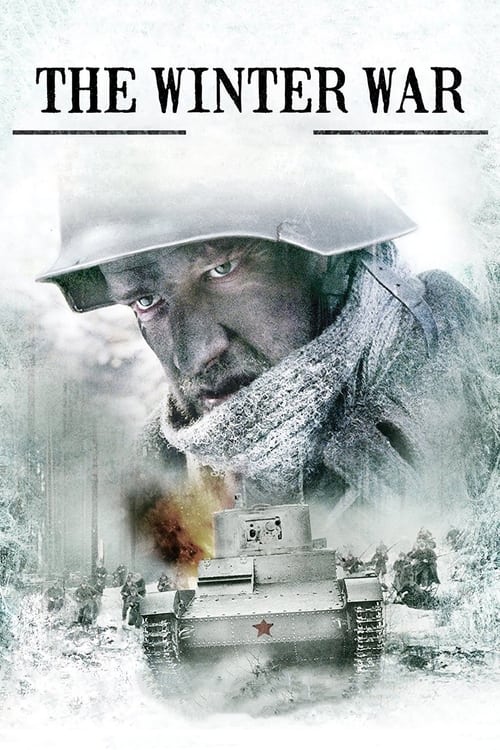
1989
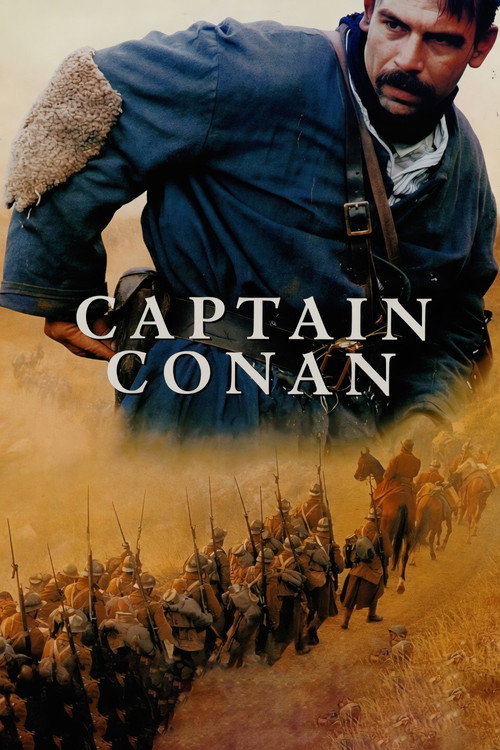
1996
No reviews yet. Be the first to share your thoughts on this movie!
Use the rating form above to leave a star rating and optional review.