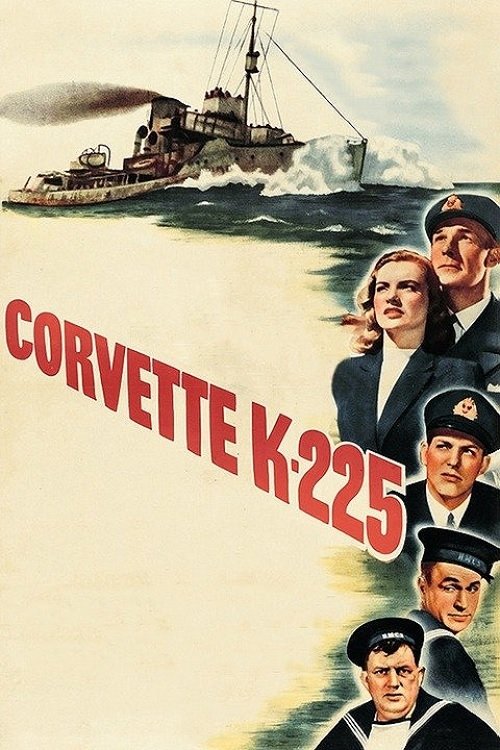
Corvette K-225
1943
No user ratings available yet
Diversity score: 1.6 out of 10

1940
ApprovedDirector
Charles Chauvel
Runtime
100 minutes
Average Rating
No ratings yetSynopsis
Charles Chauvel's 1940 cinematic tribute to the mounted troops of the Australian Light Horse regiments is a rousing call to arms, giving life to the heroic tales of mateship during the Great War.
Overall Score
Minimal
Category Breakdown
LGBTQ+ Representation
The film follows a strictly heteronormative structure centered on male camaraderie. It lacks any depiction of queer intimacy or non-cisnormative identities.
Gender Representation
The narrative is almost exclusively male-centric, focusing on the Light Horse regiments. Women occupy secondary, supportive roles within domestic or romantic spheres.
Racial & Ethnic Diversity
The cast is predominantly white, reflecting a nationalist focus. Middle Eastern characters appear but are framed through a colonial lens as peripheral elements.
Religious & Cultural Diversity
The story celebrates Western imperial cooperation and Australian patriotism. It reinforces traditional military and British Imperial institutions without offering any social critique.
Disability Representation
There is no focus on neurodivergence or physical disability as character traits. Physical trauma is presented only as a consequence of combat.
Strengths
Areas for Improvement
AI Analysis
Forty Thousand Horsemen serves as a nationalist epic designed to consolidate a specific Australian identity tied to the British Empire. The film prioritizes traditional values of patriotism and masculine camaraderie over intersectional complexity. The narrative architecture upholds early 20th-century social hierarchies. By focusing on the martial experiences of the Light Horse, the film reinforces established cultural norms rather than disrupting them.
1943
1942

1952

1939

1957

1946

1940

1942
1982

1933
1940

1946
No reviews yet. Be the first to share your thoughts on this movie!
Use the rating form above to leave a star rating and optional review.