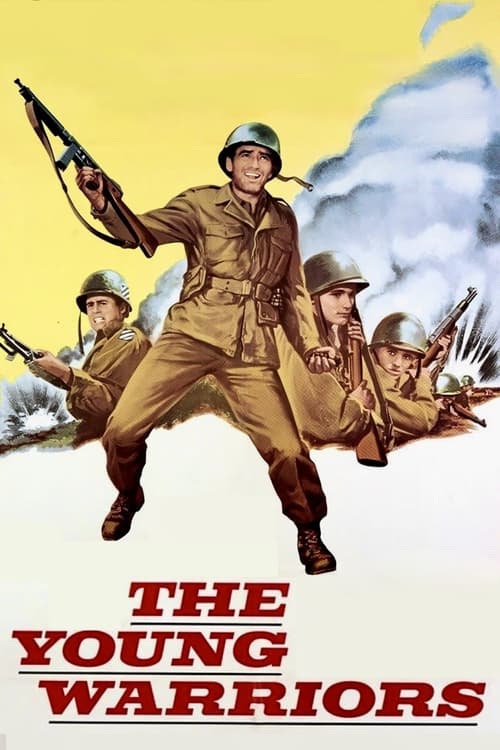
The Young Warriors
1967
No user ratings available yet
Representation score: 1.1 out of 10
Representation Score
Minimal
1944
NRDirector
Carol Reed
Runtime
115 minutes
Average Rating
No ratings yetNew Showbiz Analysis
Carol Reed’s wartime drama highlights the subversion of class distinctions through shared military service. While it offers a nuanced look at British socioeconomic gaps, it remains deeply traditional in its portrayal of identity. The film serves as a tool for social cohesion, reinforcing existing hierarchies rather than challenging them. Ultimately, it emphasizes masculine camaraderie and domestic archetypes to bolster wartime morale.
Category Breakdown
The film focuses on straight relationships and masculine camaraderie, with no representation of LGBTQ+ identities or same-sex intimacy.
The narrative centers around male characters, with women primarily serving as domestic symbols or romantic motivators rather than active agents in the plot.
The cast is predominantly white, reflecting the demographics of wartime Britain. While it avoids harmful racial stereotypes, it lacks diverse representation.
The film emphasizes patriotism and national unity, using the military as a symbol of social stability and collective duty.
There is no significant focus on disabilities, with characters defined by the physical demands of military service.
Present on Screen
Limited or Absent
Official Synopsis
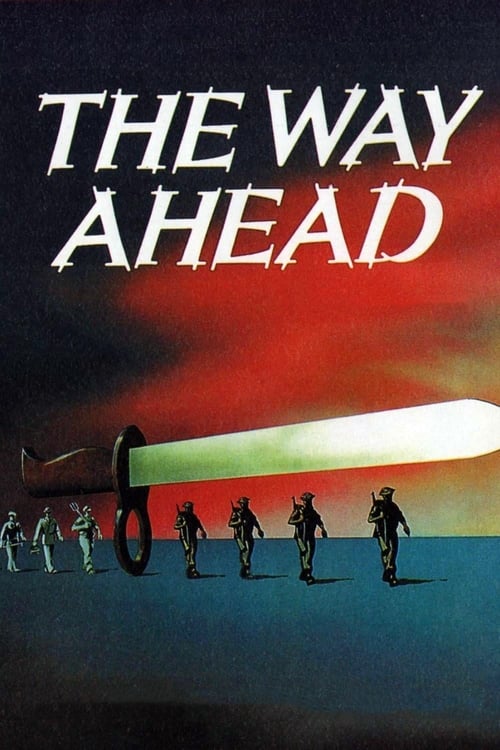
A mismatched collection of conscripted civilians find training tough under Lieutenant Jim Perry and Sergeant Ned Fletcher when they are called up to replace an infantry battalion that had suffered casualties at Dunkirk.
1967

1942
1958
1939
1943
1946
1952
1962
No reviews yet. Be the first to share your thoughts on this movie!
Use the rating form above to leave a star rating and optional review.