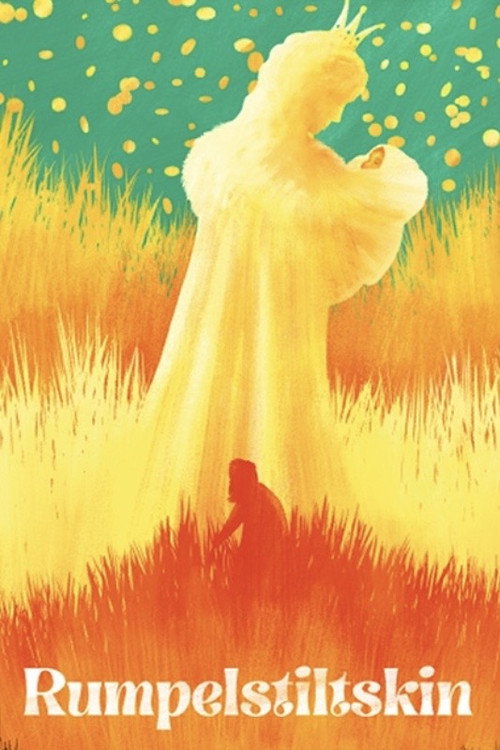
Rumpelstiltskin and the Golden Secret
1960
No user ratings available yet
Representation score: 1.9 out of 10
Representation Score
Limited
2008
Director
Felicitas Darschin
Average Rating
No ratings yetNew Showbiz Analysis
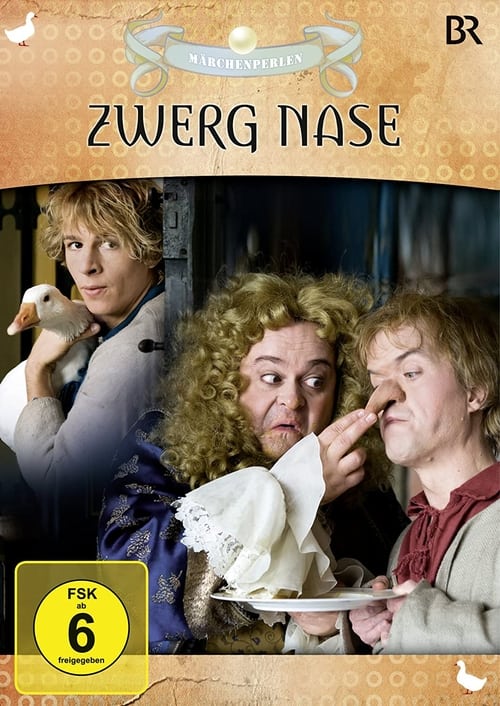
Zwerg Nase is a faithful adaptation of a classic literary work that emphasizes traditional folklore clichés. The film focuses on a standard hero's journey and traditional storytelling rather than contemporary multi-layered themes. The production leans heavily on Eurocentric aesthetics and conventional archetypes. While it addresses physical differences through the protagonist's nose, the narrative remains rooted in traditional storytelling. Ultimately, the film lacks the intention to disrupt social hierarchies, resulting in a representation style consistent with early 2000s family fantasy.
Category Breakdown
The film adheres to traditional structures that assume everyone is straight and cisgender. There are no representations of LGBTQ+ stories or non-binary gender identities.
The story follows a traditional hero's journey focused on a male protagonist. The roles follow conventional folklore archetypes without challenging traditional gender roles.
The production maintains a traditional, Eurocentric look. The cast appears uniform, fitting the historical context of German fairy tales.
The film functions as a traditional moral fable. It upholds folkloric morality without critiquing Western institutions or promoting social change.
The plot centers around the protagonist's large nose as a key element of his character development. It examines the social impact of physical differences.
Present on Screen
Limited or Absent
Official Synopsis
German TV adaptation of Wilhelm Hauff‘s fairy tale “Dwarf Nose“.
1960
2010
1961
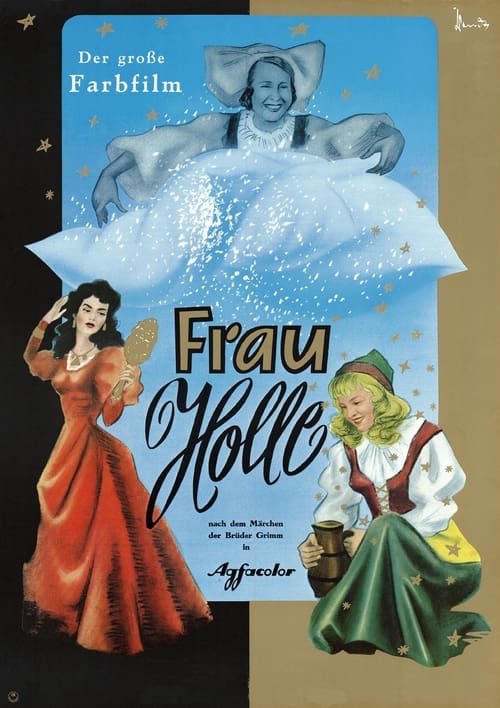
1954
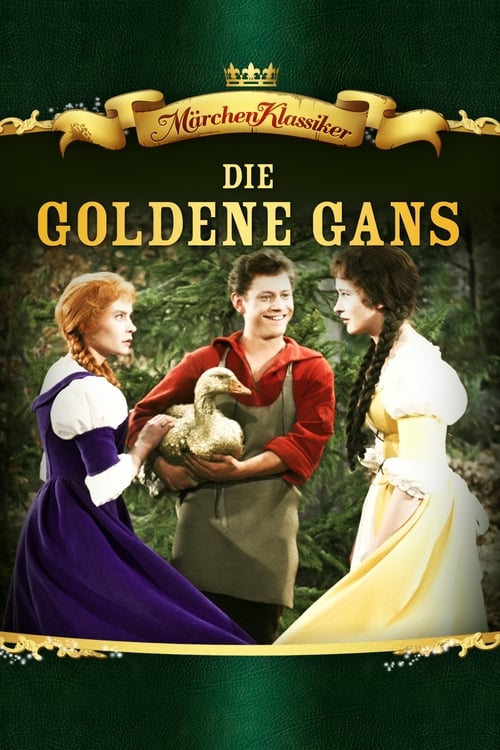
1964

1979
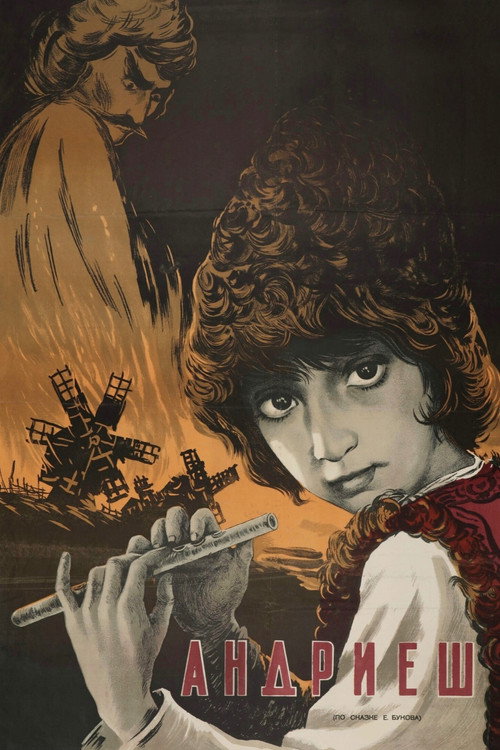
1954
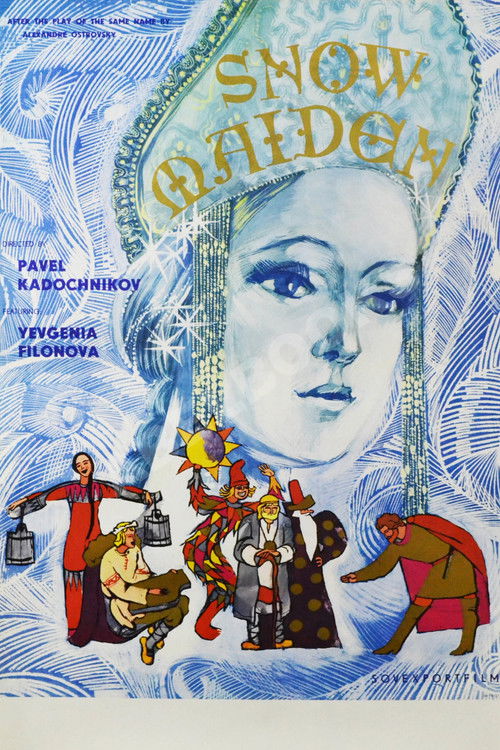
1968
No reviews yet. Be the first to share your thoughts on this movie!
Use the rating form above to leave a star rating and optional review.