
Outlaw: Gangster VIP
1968
No user ratings available yet
Representation score: 2.9 out of 10
Representation Score
Fair
1967
Director
Toshio Masuda
Runtime
97 minutes
Average Rating
No ratings yetNew Showbiz Analysis
Velvet Hustler is a traditional genre piece that leans heavily on masculine-driven action clichés. While it explores characters living on the fringes of legality, it does not offer deep multi-layered complexity. The film succeeds in depicting a world of subjective morality and social exclusion. However, the narrative structure remains tethered to conventional period-specific clichés regarding gender and identity. Ultimately, the work functions as a standard crime drama of its era, lacking the intentional subversion of systemic hierarchies necessary for a higher diversity rating.
Category Breakdown
The film does not include explicit LGBTQ+ characters or narratives. The central relationship between Goro and the woman he meets follows a traditional heterosexual dynamic typical of the noir genre.
The male protagonist, Goro, primarily drives the story. While the female lead is central to the plot, she often reacts to the male lead's actions rather than taking an active role.
The cast is culturally uniform, reflecting its 1967 Japanese production context. It operates within an indigenous framework without evidence of Western-centric casting or whitewashing.
The narrative explores moral relativism by focusing on a hitman who operates outside the law. This provides a critique of rigid societal structures through a underrepresented social lens.
There is no mention of neurodivergence or physical impairments in the narrative. No characters are identified as having visible or invisible disabilities.
Present on Screen
Limited or Absent
Official Synopsis
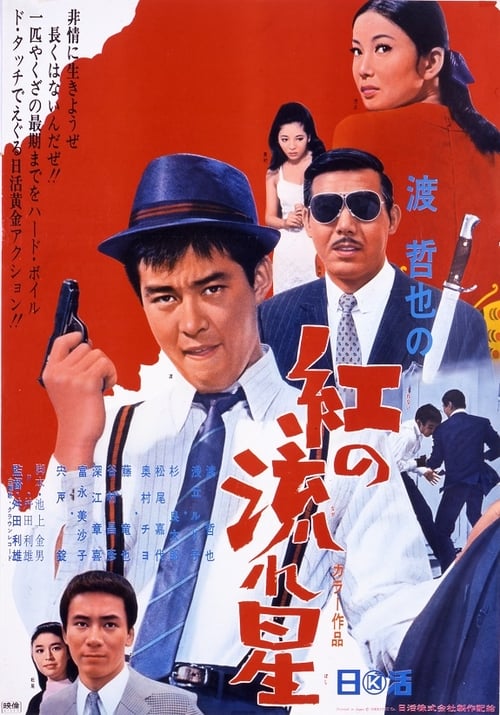
A young yakuza hitman named Goro does a job and needs to hideout away from Tokyo for a while. He hangs out with loose women and hard men and always manages to stay one step ahead of the law. In his exile, he comes under suspicion for a murder and meets the girlfriend of the murdered man. They develop a strange bond while unbeknown to Goro, another hitman is after him for the job he did in Tokyo.
1968

1967

1973
1966

1958

1989

1974

1967
No reviews yet. Be the first to share your thoughts on this movie!
Use the rating form above to leave a star rating and optional review.