
Mesquite Buckaroo
1939
No user ratings available yet
Representation score: 0.9 out of 10
Representation Score
Minimal
1935
ApprovedDirector
Harry S. Webb
Runtime
58 minutes
Average Rating
No ratings yetNew Showbiz Analysis
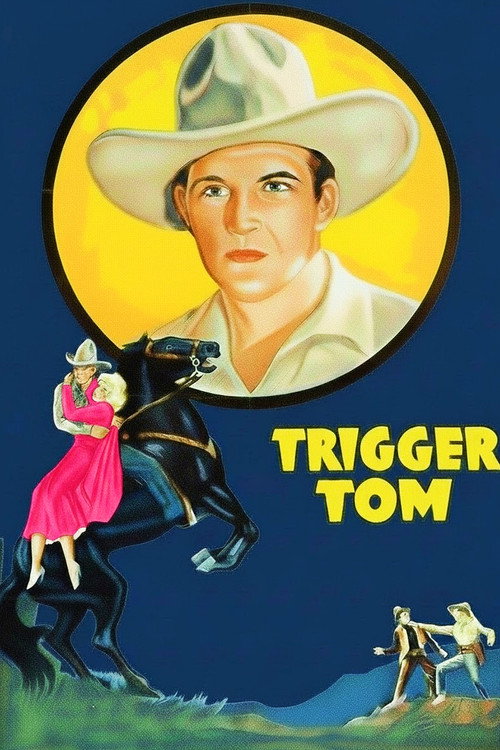
Trigger Tom is a product of its time, adhering closely to the traditional clichés of the 1930s Western. The film centers on a conflict involving masculine-coded battles over cattle control and market manipulation, emphasizing genre conventions over social complexity. The narrative structure reinforces existing power dynamics, focusing on male-driven struggles between ranchers and local authorities. It lacks representation of diverse identities, reflecting the homogeneous social standards of the mid-1930s frontier mythos.
Category Breakdown
The film does not include any characters with non-straight sexual orientations or same-sex relationships. The storyline adheres to the strict gender binaries prevalent in 1930s cinema.
The story revolves around male characters who navigate conflicts in the cattle market. This setup emphasizes traditional masculine leadership and the dominance of patriarchal structures.
The plot centers on economic hardships faced by ranchers in a Western setting. It likely reflects the predominantly white, Anglo-centric portrayal of the frontier common during this period.
The narrative supports established social orders and property rights. It follows a conventional storyline of individual struggle against local corruption, avoiding broader critiques of institutions.
There are no characters with visible or invisible disabilities mentioned in the provided narrative details.
Present on Screen
Limited or Absent
Official Synopsis
Tom Hilton and Stub Macey are heading to the Jergenson ranch to buy his cattle. But Jeckyl and Sheriff Slater control the cattle market forcing the ranchers to buy at their price and they intend to keep the newcomers out.
1939
1937
1936
1929
1939
1939
1930
1942
No reviews yet. Be the first to share your thoughts on this movie!
Use the rating form above to leave a star rating and optional review.