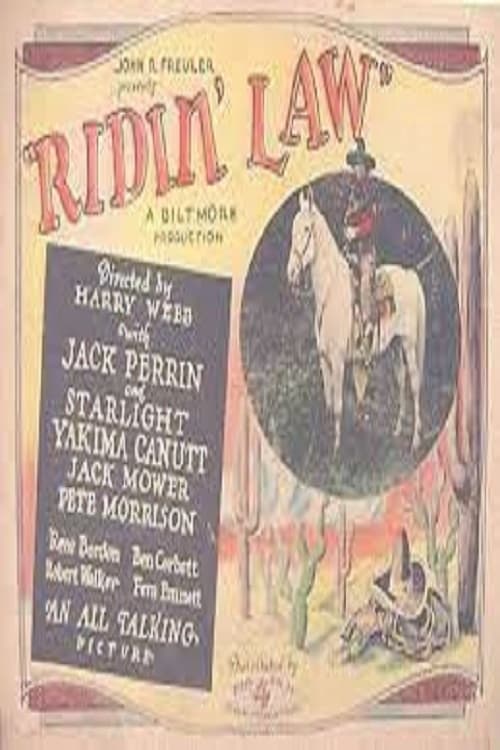
Ridin' Law
1930
No user ratings available yet
Representation score: 0.6 out of 10
Representation Score
Minimal
1936
ApprovedDirector
Harry S. Webb
Runtime
58 minutes
Average Rating
No ratings yetNew Showbiz Analysis
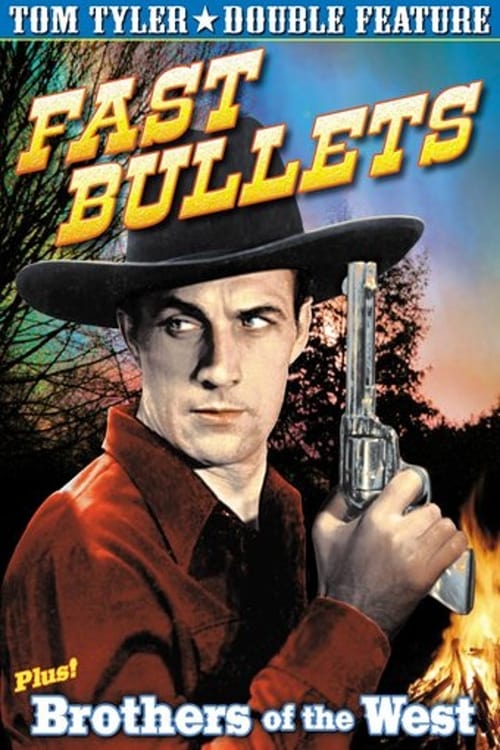
Fast Bullets is a quintessential example of 1930s B-Western filmmaking, adhering strictly to the genre's established social hierarchies and moral binaries. The narrative is driven by male authority figures, leaving little room for diverse perspectives or complex character dynamics. The film reinforces traditional gender roles and racial homogeneity common to the period. By focusing on the rescue of a woman and the enforcement of law by white protagonists, it maintains the status quo of mid-century cinematic clichés. Ultimately, the film functions as a baseline for its era, prioritizing clear-cut heroism and conventional social structures over any attempt at narrative subversion or multi-layered storytelling.
Category Breakdown
The film follows a conventional structure that assumes everyone is straight or cisgender. There is no indication of non-traditional gender identities or critiques of traditional orientations.
The male Texas Rangers are the main characters who take charge and drive the plot. The female character is portrayed as a damsel in distress, lacking the ability to drive the plot independently.
The narrative likely reflects the homogeneous casting common to 1930s Westerns. It prioritizes white, Anglo-Saxon protagonists and themes of Western expansionism typical of the era.
The story celebrates established law and order through the lens of the Texas Rangers. It reinforces traditional Western values and institutional authority without offering any systemic or secular critiques.
There is no mention of characters with visible or invisible disabilities. The available information provides no basis to assess representation in this category.
Present on Screen
Limited or Absent
Official Synopsis
Two Texas Rangers (Tom Tyler, Rex Lease) nab smugglers and rescue a woman (Margaret Nearing) from a runaway wagon.
1930
1960
1937
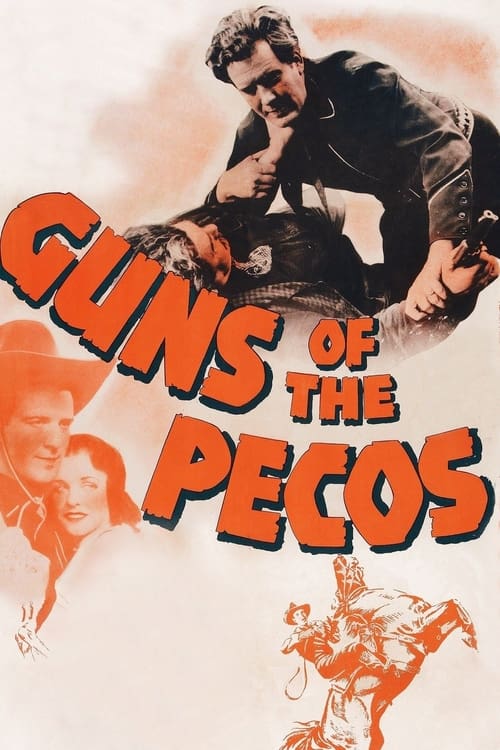
1936
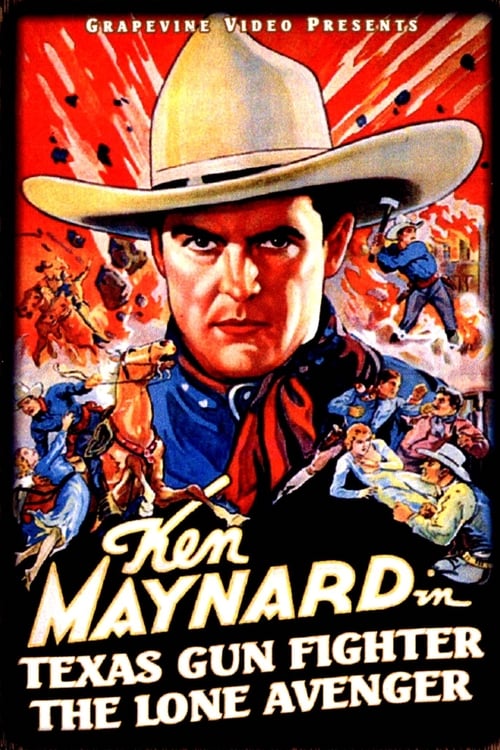
1932
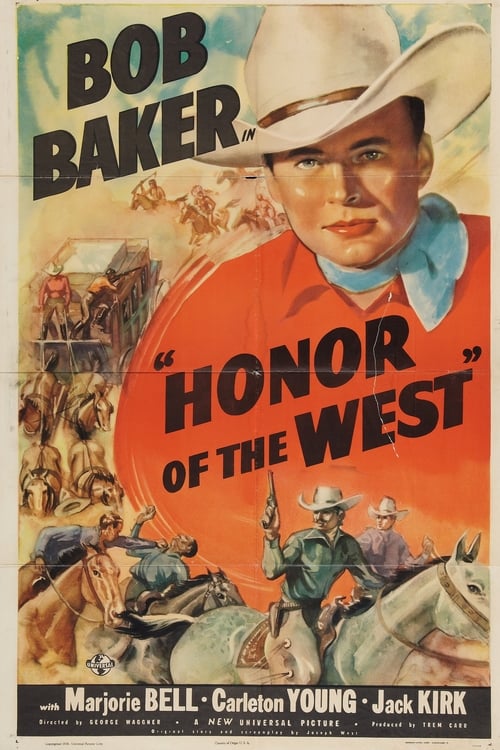
1939
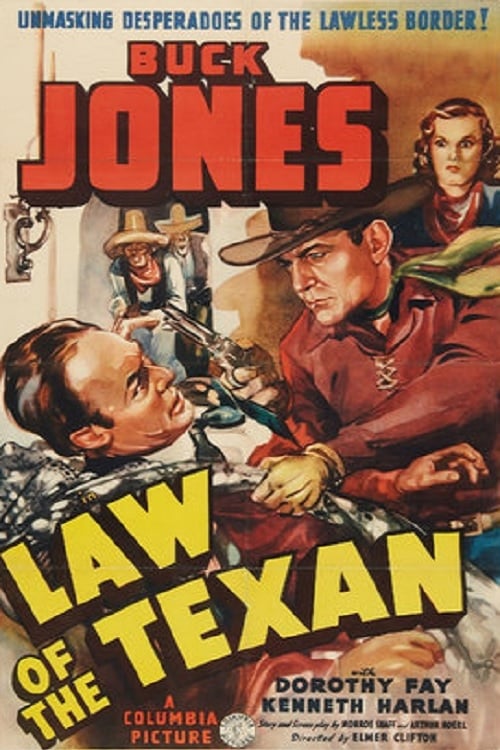
1938
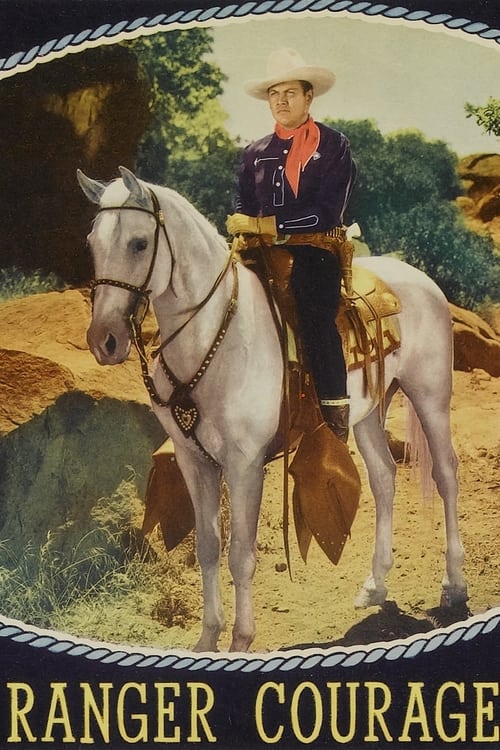
1937
No reviews yet. Be the first to share your thoughts on this movie!
Use the rating form above to leave a star rating and optional review.