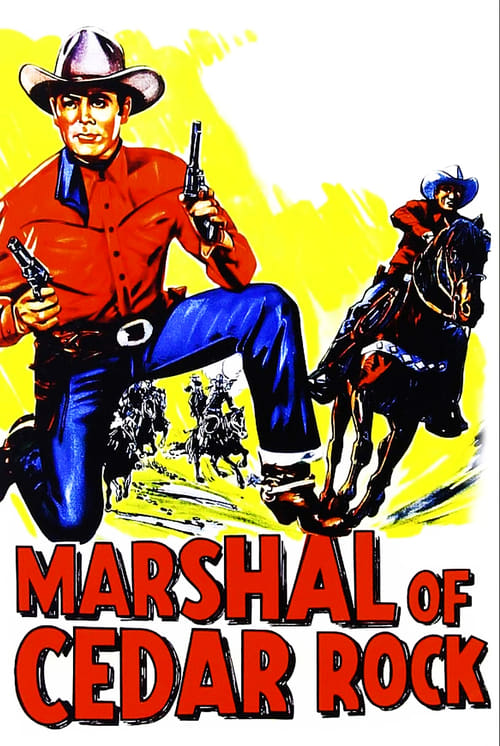
Marshal of Cedar Rock
1953
No user ratings available yet
Representation score: 1.3 out of 10
Representation Score
Minimal
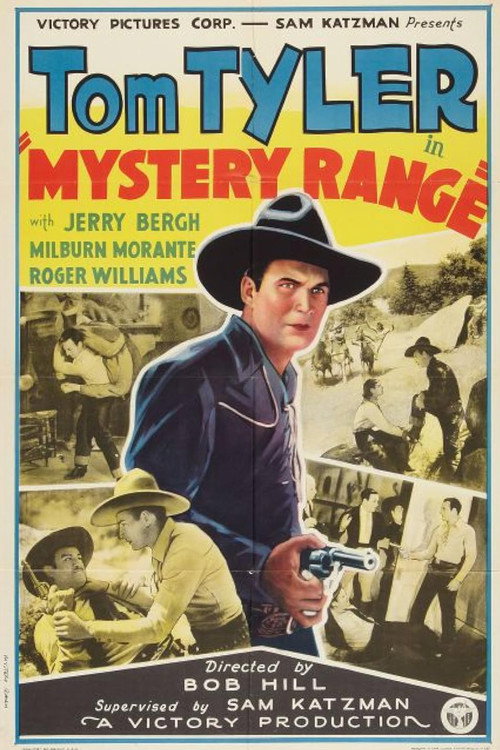
1937
ApprovedDirector
Robert F. Hill
Runtime
55 minutes
Average Rating
No ratings yetNew Showbiz Analysis
Mystery Range is a conventional genre piece that adheres strictly to the social hierarchies of 1937. The plot focuses on masculine confrontation, land ownership, and the protection of profit, leaving little room for diverse perspectives. The film reinforces established Western clichés rather than challenging them. Characters are defined by their roles in property disputes and law enforcement, which prioritizes a narrow view of social order. Ultimately, the production lacks the narrative complexity needed to disrupt historical norms. It functions as a standard period piece that mirrors the era's emphasis on Anglo-Saxon settlement and traditional gender roles.
Category Breakdown
The film follows a traditional structure typical of 1930s Westerns, with no evidence of non-traditional gender identities or same-sex relationships.
The narrative reinforces traditional gender roles, with Jennifer owning the ranch but remaining a passive figure in male-dominated property disputes.
The story likely centers on a predominantly white cast, with themes of Anglo-Saxon settlement and ranching that prioritize a homogeneous white population.
The film promotes traditional Western values such as property rights and capitalism, emphasizing institutional stability through law enforcement and private ownership.
There is no mention of characters with visible or invisible disabilities, suggesting no representation of these themes.
Present on Screen
Limited or Absent
Official Synopsis
Cattlemen's Protective Association agent Tom Wade masquerades as outlaw Luke Bardes, hired to help Jed Travis persuade his niece Jennifer to sell him her ranch at a ridiculously low price, enabling him to turn a huge profit when the railroad has to buy the right-of-way through his property. Tom finds himself in big trouble when Bardes breaks out of jail and shows up at the ranch with a few of his rough-and-trouble companions.
1953
1935
1929
1941
1949

1937

1934

1938
No reviews yet. Be the first to share your thoughts on this movie!
Use the rating form above to leave a star rating and optional review.