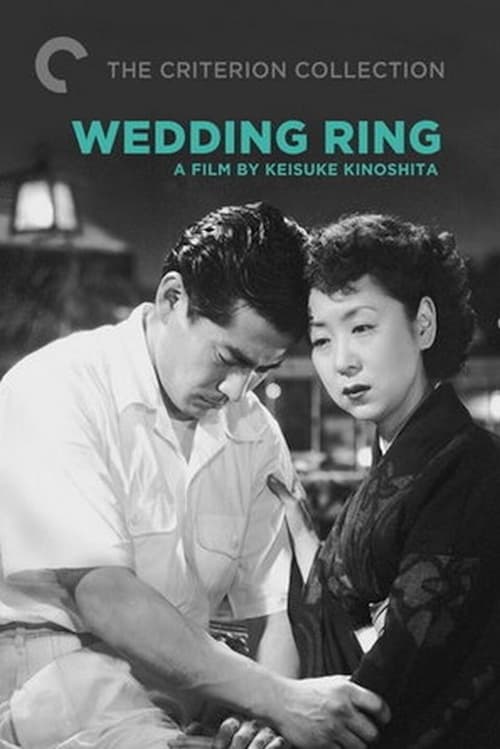
Wedding Ring
1950
No user ratings available yet
Representation score: 4.0 out of 10

Representation Score
Minimal
1929
Director
Hiroshi Shimizu
Runtime
111 minutes
Average Rating
No ratings yetNew Showbiz Analysis
Eternal Heart is a period-specific romantic drama reflecting the social landscape of 1929 Japan. The film centers on the interpersonal dynamics between a professional woman and a male contemporary, using established character types of the time. While Toshie's role as a secretary offers a degree of professional empowerment, the narrative remains anchored in conservative social norms. The film prioritizes traditional romantic structures over challenging systemic hierarchies. Ultimately, the work serves as a culturally specific exploration of human emotions rather than a vehicle for progressive social critique or diverse identity politics.
Category Breakdown
The film centers on a romance between a female secretary and a male colleague. There are no characters with non-conforming gender identities or narratives that challenge traditional gender norms.
Toshie works as a professional secretary-typist, stepping beyond purely domestic roles. However, her conservative nature indicates that the story follows traditional gender roles and expectations.
This Japanese production features a cast that is culturally homogeneous. It provides a baseline representation of its specific ethnic origin without relying on Western-centric stereotypes.
The narrative operates within the traditional social frameworks of early 20th-century Japan. It aligns with established social hierarchies and conservative values.
There are no characters with visible or invisible disabilities featured in the film.
Present on Screen
Limited or Absent
Official Synopsis
Toshie, a young, conservative secretary-typist has fallen in love with Shozo Narita, a young man she has met through her work.
1950
1927

1919
1932
1997

1955

1953

1931
No reviews yet. Be the first to share your thoughts on this movie!
Use the rating form above to leave a star rating and optional review.