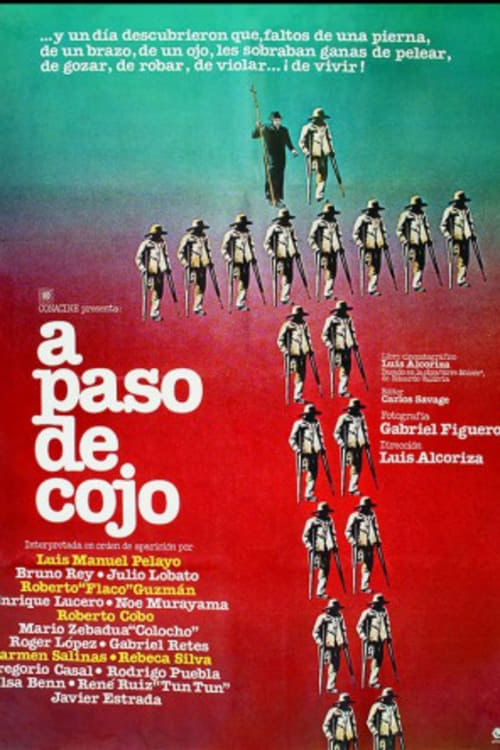
At a Lame Pace
1980
No user ratings available yet
Representation score: 7.5 out of 10

Representation Score
Fair
1962
Director
Luis Alcoriza
Runtime
105 minutes
Average Rating
No ratings yetNew Showbiz Analysis
Tlayucan is a work of social realism that deconstructs traditional power structures. It uses the desperation of the peasantry to critique the rigidity of religious and local institutions. The film's strength lies in its authentic ethnic representation and its refusal to present an idealized morality. It frames survival and theft as legitimate responses to systemic corruption. However, the film remains limited by its mid-century setting. It lacks LGBTQ+ representation and treats disability primarily as a plot device rather than a complex identity.
Category Breakdown
The film focuses on class and religious struggles within a mid-century rural setting. It does not include narratives that challenge traditional assumptions about straight relationships or feature characters whose gender does not match their birth-assigned sex.
Women are shown within traditional domestic roles, yet they avoid purely submissive clichés. They quietly take control to navigate systemic oppression, though the film does not actively disrupt male-dominated leadership.
The film excels with an authentic Mexican/Mestizo cast that aligns with its setting. It avoids whitewashing by centering the lived experiences of the peasantry and their socioeconomic status.
The narrative provides a sophisticated critique of organized religion and local authority. It portrays these institutions as tools for social control rather than moral anchors for the community.
A child's illness serves as the central plot catalyst. However, the medical crisis is used to drive moral dilemmas rather than exploring disability as a complex identity.
Present on Screen
Limited or Absent
Official Synopsis
Desperate because of his son's illness, the peasant Eufemio steals a pearl from the image of Santa Lucía in the village church.
1980
1960
2001
1955
1972

1991
1960
1948
No reviews yet. Be the first to share your thoughts on this movie!
Use the rating form above to leave a star rating and optional review.