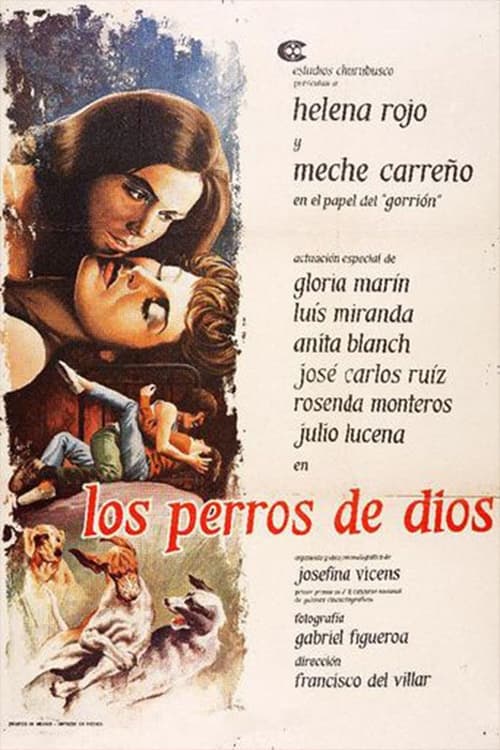
The Dogs of God
1974
No user ratings available yet
Representation score: 5.0 out of 10
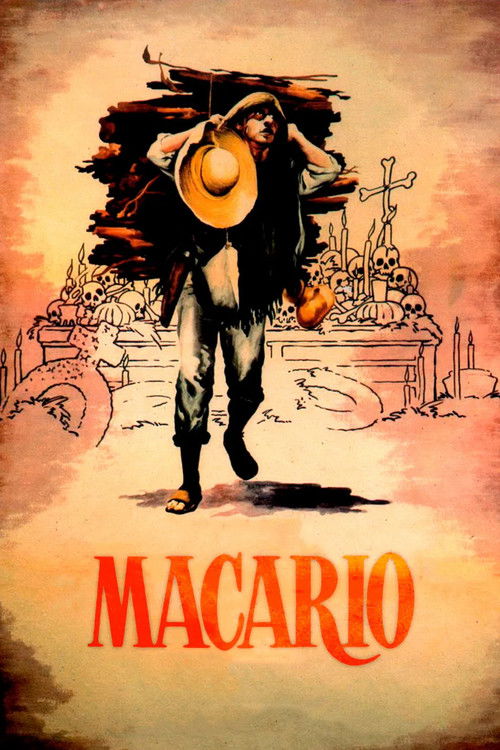
Representation Score
Fair
1960
Director
Roberto Gavaldón
Runtime
91 minutes
Average Rating
No ratings yetNew Showbiz Analysis
Macario is a sophisticated exploration of class and survival that centers Mexican identity. By focusing on the socioeconomic realities of the peasantry, the film provides a rich, culturally specific experience that resists Western-centric cinematic norms. However, the film remains limited by traditional gender dynamics and a lack of LGBTQ+ representation. The female characters are relegated to domestic roles, and the narrative focus stays strictly within a straight-centered framework. Ultimately, the film's strength lies in its critique of systemic inequality and its nuanced portrayal of mestizo life, even if it lacks diversity in personal identity categories.
Category Breakdown
The film does not include any LGBTQ+ characters or non-straight identities. The story focuses entirely on the protagonist's domestic life and his supernatural encounters.
Gender roles follow traditional domestic structures. Macario's wife is a pragmatic survivor, but the narrative remains centered on the male protagonist's spiritual journey.
The film offers a profound exploration of indigenous and mestizo identity. It centers a working-class, non-Anglo-Saxon protagonist to provide a powerful counter-narrative to Western-centric cinema.
The narrative critiques established power structures and religious dogma. It uses the struggle for food to challenge traditional hierarchies of wealth and institutional authority.
Physical vulnerability and illness are present but serve as allegorical tools. These elements highlight the protagonist's desperation rather than granting real power to characters with disabilities.
Present on Screen
Limited or Absent
Official Synopsis
Poor, hungry peasant Macario longs for just one good meal on the Day of the Dead. After his wife cooks a turkey for him, he meets three apparitions, the Devil, God, and Death. Each asks him to share his turkey, but he refuses all except Death. In return, Death gives him a bottle of water which will heal any illness. Soon, Macario is more wealthy than the village doctor, which draws the attention of the feared Inquisition.
1974
1921
1937
1976
1978
1967

1955
1973
No reviews yet. Be the first to share your thoughts on this movie!
Use the rating form above to leave a star rating and optional review.