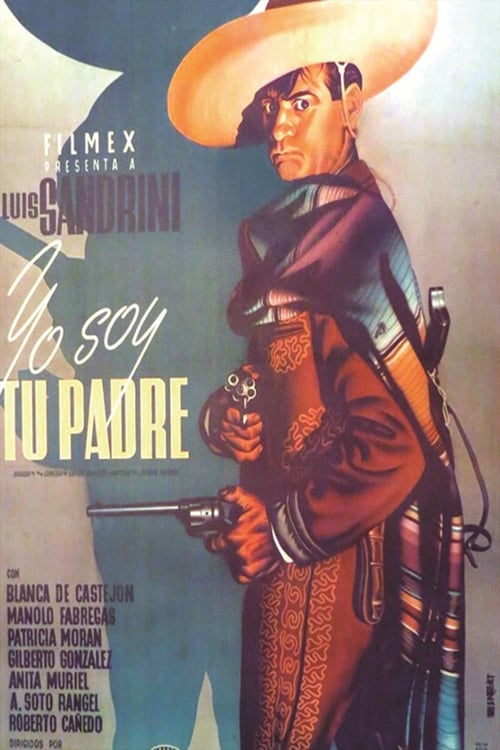
Yo soy tu padre
1948
No user ratings available yet
Diversity score: 2.9 out of 10

1972
Director
Alberto Isaac
Runtime
98 minutes
Average Rating
No ratings yetSynopsis
"Faith-healer" develops a cult-like following in 1920s Jalisco.
Overall Score
Limited
Category Breakdown
LGBTQ+ Representation
The film lacks any discernible LGBTQ+ characters or narratives. It focuses strictly on heteronormative power dynamics and sexual exploitation.
Gender Representation
Women are placed in an isolated setting that challenges patriarchal authority, yet they are frequently objectified. The narrative prioritizes sexual power dynamics over nuanced female agency.
Racial & Ethnic Diversity
Set in 1920s Jalisco, the film utilizes a Mexican historical context but lacks intersectional racial depth. It follows era-specific exploitation trends rather than subverting racial hierarchies.
Religious & Cultural Diversity
The story critiques religious institutions through the lens of a cult-like faith-healer. It explores moral relativism and the abandonment of traditional religious moralities in a lawless environment.
Disability Representation
There is no evidence of characters with visible or invisible disabilities included in the narrative arc.
Strengths
Areas for Improvement
AI Analysis
Nest of Virgins operates as a genre-driven exploration of social breakdown in 1920s Jalisco. It finds its strength in deconstructing traditional religious authority and moral stability, presenting a cynical view of institutional power through its cult-like central figure. However, the film is heavily tethered to the exploitative tropes of its era. While the frontier setting disrupts some social hierarchies, the reliance on the objectification of women and a lack of intersectional depth limits its progressive impact. Ultimately, the film offers a landscape of situational ethics rather than a nuanced social critique, remaining caught between its subversive setting and its exploitative execution.
1948
1981

1990

2020
1985
1950
1988

1975
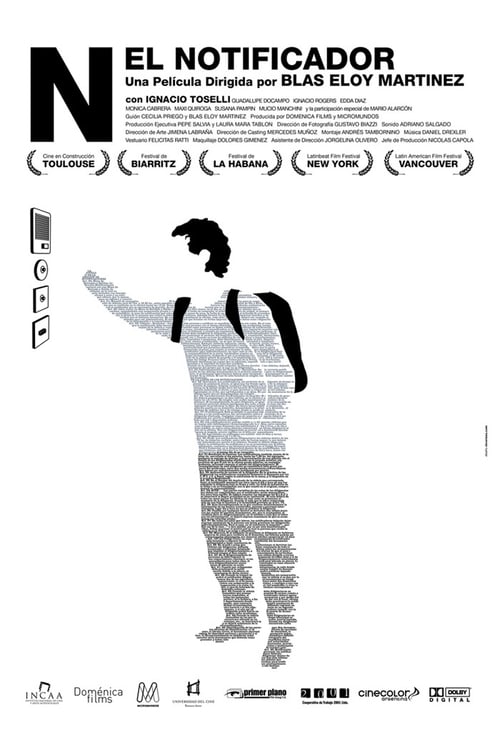
2012
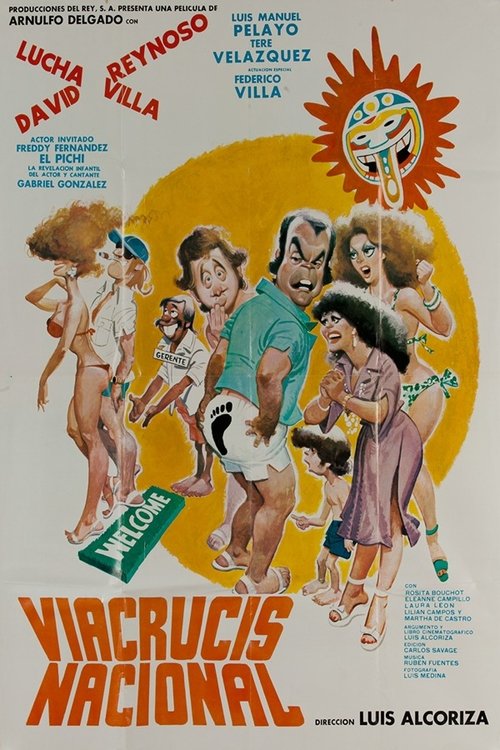
1981
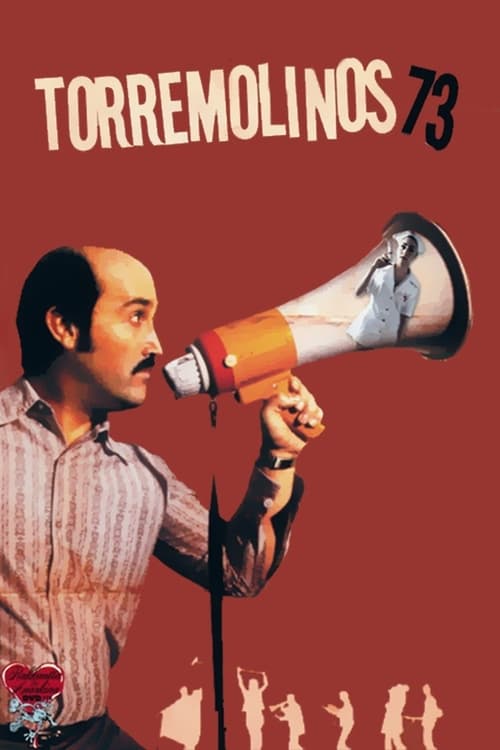
2003

1975
No reviews yet. Be the first to share your thoughts on this movie!
Use the rating form above to leave a star rating and optional review.