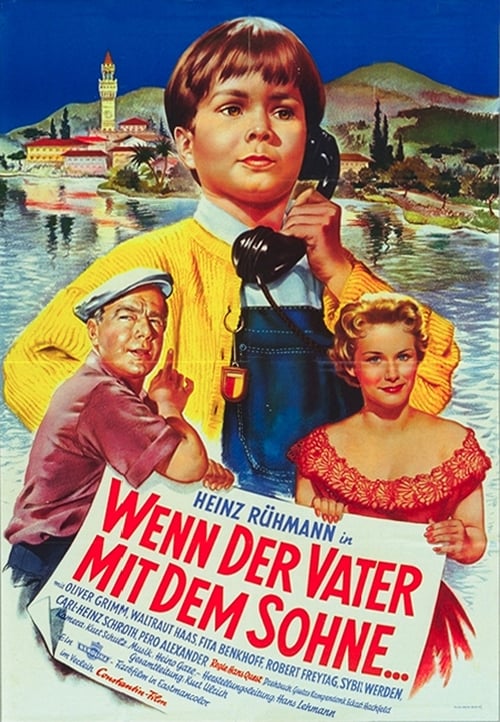
If the Father and the Son
1955
No user ratings available yet
Representation score: 1.8 out of 10
Representation Score
Limited
1955
Director
Luis Sandrini
Runtime
104 minutes
Average Rating
No ratings yetNew Showbiz Analysis
Luis Sandrini’s 1955 film is a mid-century domestic comedy-drama that prioritizes traditional family values and situational humor. The plot revolves around the protagonist's efforts to maintain familial bonds and fulfill his maternal duties. The film aligns with the social structures of its time, emphasizing class hierarchies and conventional archetypes. Although it includes a disruptive female character, the narrative remains firmly grounded in established social norms. Ultimately, the work functions as a character-driven piece centered on kinship and duty, rather than challenging identity-based hierarchies.
Category Breakdown
The film centers on traditional family structures involving a mother and her sons. It does not include any non-straight or non-cisgender identities or perspectives.
Female characters play typical roles, such as a vulnerable matriarch and a disruptive 'goblin-like' woman. These roles do not challenge traditional gender hierarchies.
The story highlights social class differences, like the contrast between a luxurious mansion and the protagonist's life. It does not explore racial or ethnic diversity.
The narrative emphasizes traditional values of respecting parents and the importance of biological kinship. It centers on the protagonist's duty to his mother.
A mother's impending blindness serves as the main plot driver. However, the impairment mainly functions as a narrative engine rather than an exploration of her lived experience.
Present on Screen
Limited or Absent
Official Synopsis
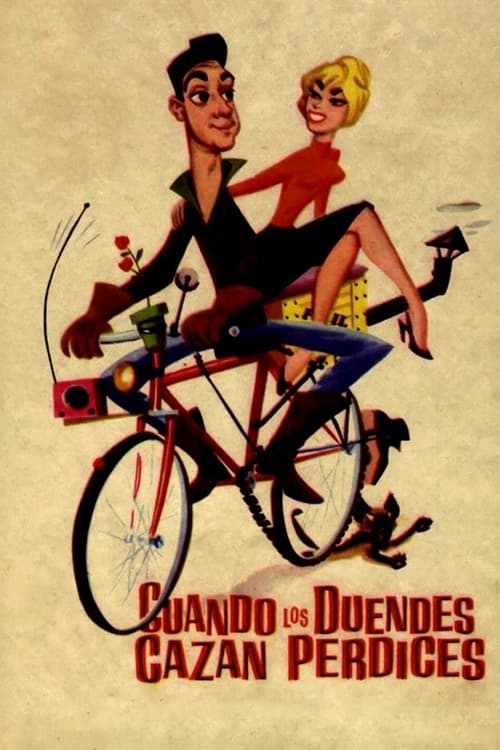
Eulogio Soto lives with his mother. To please her, he tries to locate her brother because she will have to undergo a delicate eye operation and he fears that he will never be able to see her face again. The youngest son, who does not know who his real family is, lives in a luxurious mansion. In the search for his lost brother, Eulogio will be "found" by a woman who, like a goblin, makes life impossible for him to help him by all means.
1955
2002

1955
1985
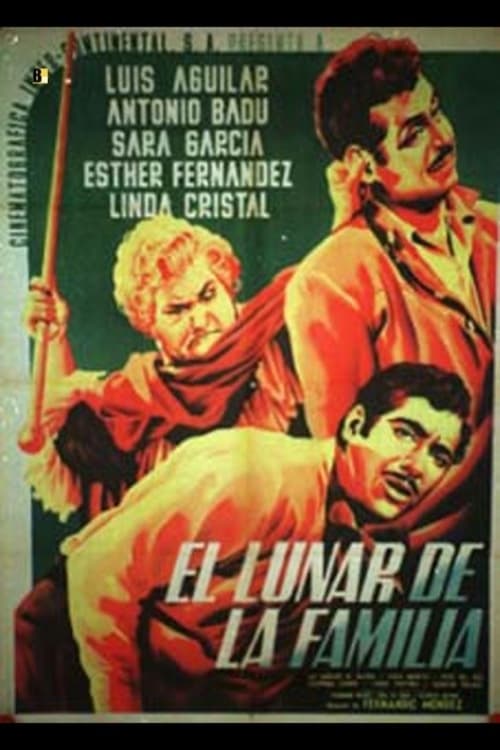
1953
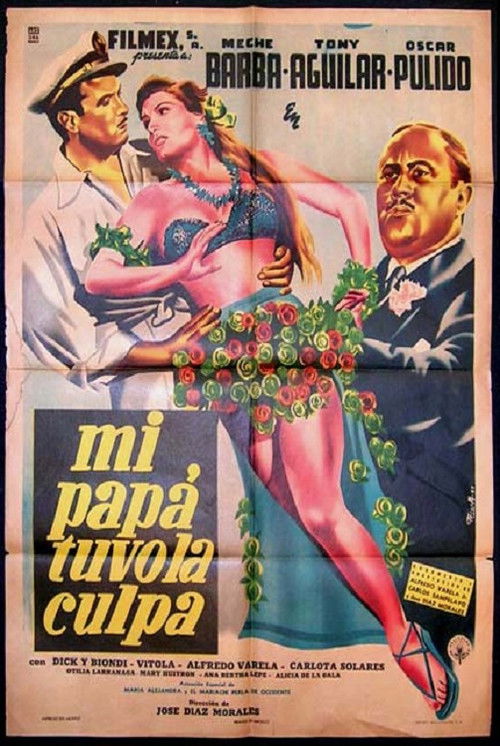
1953
1969
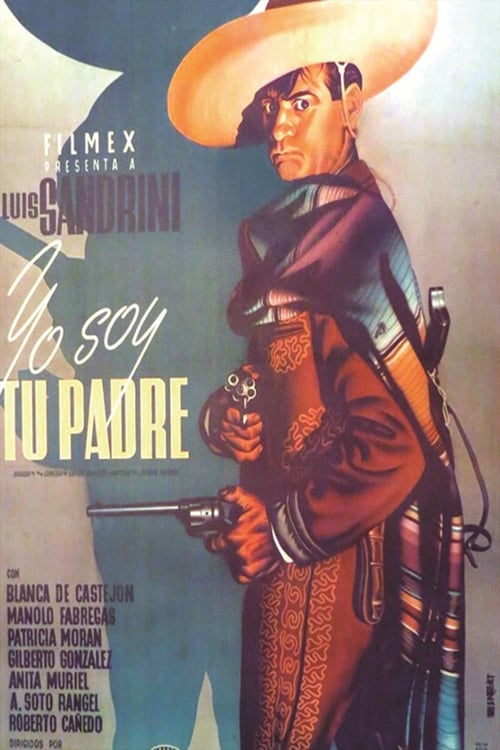
1948
No reviews yet. Be the first to share your thoughts on this movie!
Use the rating form above to leave a star rating and optional review.