Private Network: Who Killed Manuel Buendía?
2021
No user ratings available yet
Representation score: 4.8 out of 10
Representation Score
Fair
2014
TV-PGRuntime
53 minutes
Average Rating
No ratings yetNew Showbiz Analysis
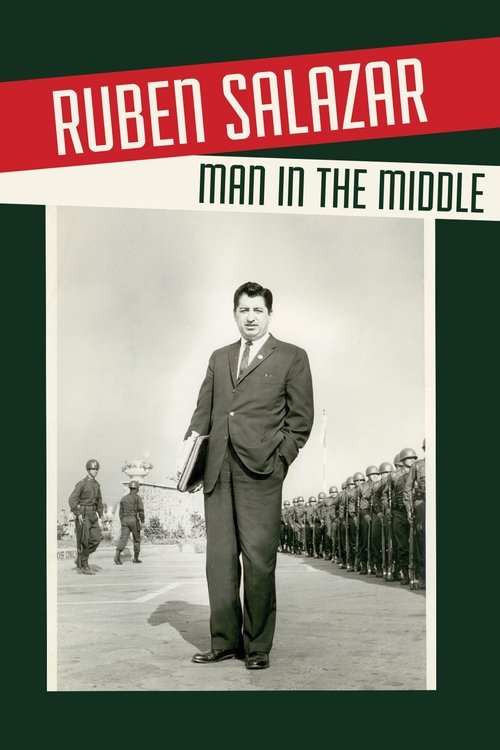
This PBS documentary serves as a powerful piece of historical revisionism. It successfully shifts the focus from an Anglo-centric perspective to one that centers the Mexican-American community's struggle for ability to act during the civil rights era. The film's strength lies in its ability to highlight the Chicano experience as a central struggle for ability to act rather than a secondary footnote. By documenting events such as the Chicano Moratorium and Salazar's death, it critiques the failures of state institutions. However, the narrative lacks depth in addressing LGBTQ+ narratives or the intersection of multiple identities. Additionally, it focuses heavily on male-dominated political spheres, with little emphasis on female leadership or challenging gender hierarchies.
Category Breakdown
The documentary does not explicitly include LGBTQ+ narratives or non-cisgender identities. While it explores ethnic identity, it does not focus on the intersection of multiple identities.
The film focuses on male-driven political and journalistic spheres. There is no prominent focus on female leadership or challenging gender hierarchies.
The film excels by centering the Chicano experience as the main narrative driver. It uses archival footage to give significant roles to community activists and people of color.
The film highlights the tension between the Chicano community and law enforcement. It shows the conflict between grassroots social movements and established political structures.
The documentary does not provide any information about the portrayal of visible or invisible disabilities. The focus remains on sociopolitical and journalistic history.
Present on Screen
Limited or Absent
Official Synopsis
Ruben Salazar: Man in the Middle, a PBS documentary, examines the life and mysterious death of pioneering journalist Ruben Salazar. At the heart of the story is Salazar’s transformation from a mainstream, establishment reporter to primary chronicler and supporter of the radical Chicano Movement of the late 1960s. Killed under mysterious circumstances by a law enforcement officer in 1970, Salazar became an instant martyr to Latinos — many of whom had criticized his reporting during his lifetime. Adding to the Salazar mystique is that the details of how he was killed have been obscured in the ensuing four decades since his death.
2021
2017
2011
2015
2017

2008
2010
2014
No reviews yet. Be the first to share your thoughts on this movie!
Use the rating form above to leave a star rating and optional review.