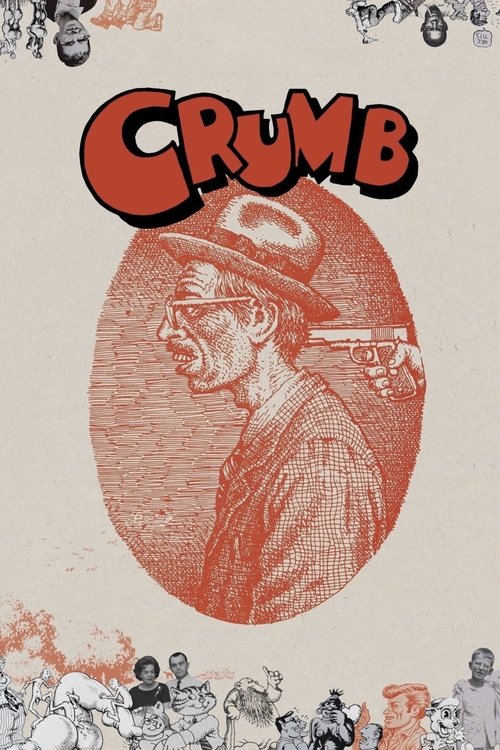
Crumb
1995
No user ratings available yet
Representation score: 6.0 out of 10

Representation Score
Limited
2008
RDirector
Alex Gibney
Runtime
120 minutes
Average Rating
No ratings yetNew Showbiz Analysis
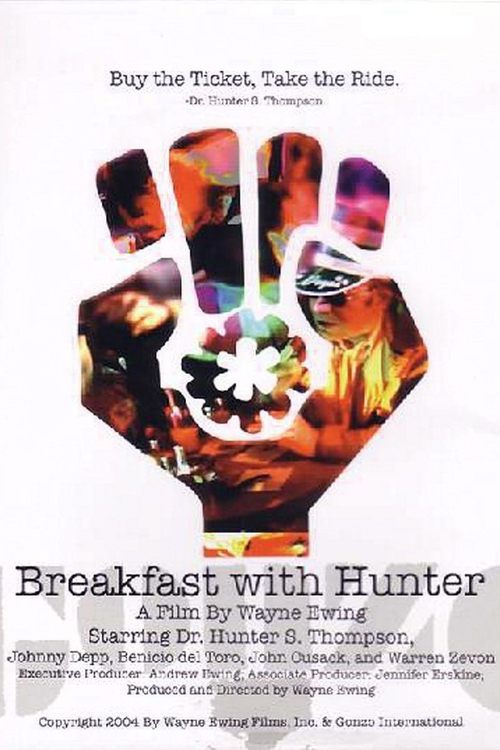
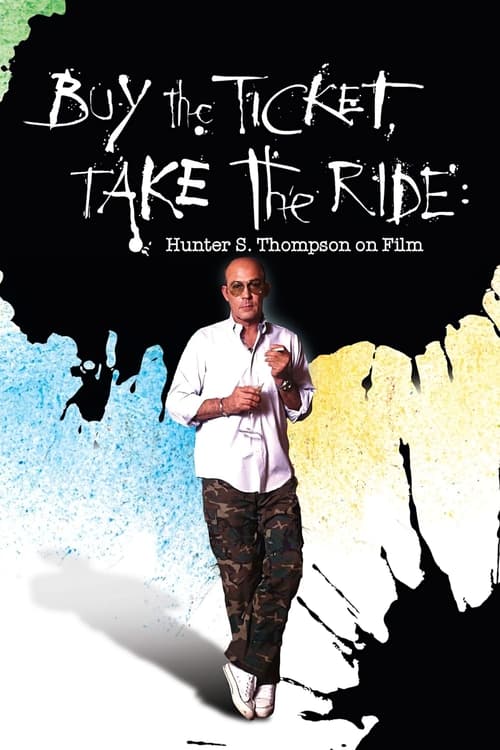
This documentary functions primarily as a specialized biographical study of Hunter S. Thompson rather than a study of demographic diversity. It succeeds most when exploring the cultural and political skepticism of the Gonzo era, challenging institutional norms and objective reporting standards. However, the film's focus on a specific historical demographic results in lower scores for racial and gender representation. The narrative remains anchored in the white, male-dominated journalistic landscape of the mid-20th century. Ultimately, the film's strength lies in its cultural critique of Western political structures, even as it lacks significant representation of underrepresented identities.
Category Breakdown
The film captures the countercultural atmosphere of the 1960s and 70s. However, it doesn't center on LGBTQ+ identities or narratives that explicitly challenge the assumption that everyone is straight.
The narrative reflects the era's predominant gender dynamics. While it explores Thompson’s relationships with women, it does not actively seek to subvert traditional hierarchies or portray women's ability to drive the story.
The documentary focuses on a predominantly white, male-dominated milieu within mid-century American journalism. It does not prioritize non-white perspectives as central drivers of the biographical narrative.
The film excels by deconstructing traditional institutions and the American Dream. It frames the rejection of social decorum and political authority as a form of intellectual liberation.
The documentary does not focus on visible or invisible disabilities. No specific instances of disability were used as a central narrative component.
Present on Screen
Limited or Absent
Official Synopsis
Fueled by a raging libido, Wild Turkey, and superhuman doses of drugs, Thompson was a true "free lance, " goring sacred cows with impunity, hilarity, and a steel-eyed conviction for writing wrongs. Focusing on the good doctor's heyday, 1965 to 1975, the film includes clips of never-before-seen (nor heard) home movies, audiotapes, and passages from unpublished manuscripts.
1995
2005
2003
2017
2020
1980
2006
2019
No reviews yet. Be the first to share your thoughts on this movie!
Use the rating form above to leave a star rating and optional review.