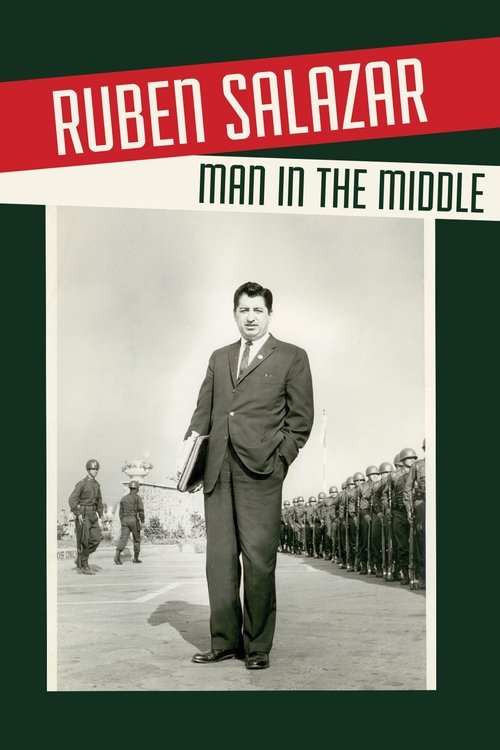
Ruben Salazar: Man in the Middle
2014
No user ratings available yet
Representation score: 5.3 out of 10
Representation Score
Fair
2021
TV-MADirector
Manuel Alcalá
Runtime
100 minutes
Average Rating
No ratings yetNew Showbiz Analysis
The documentary stands out by deconstructing institutional power and offering a non-Western perspective on political corruption. By focusing on Mexican history, it breaks away from Anglo-centric documentary conventions. However, the film's concentration on historical political machinations leads to a lack of visibility for LGBTQ+ and female identities. The narrative remains centered on male-dominated structures of power. Overall, the work prioritizes systemic critique over individual identity politics, positioning itself as a specialized historical investigation rather than a broad social representation piece.
Category Breakdown
The documentary does not include explicit stories or themes related to LGBTQ+ individuals. This is common for documentaries focusing on political assassinations and investigative journalism.
The story focuses on Manuel Buendía and other male political figures. There is no indication of women taking significant roles or challenging traditionally male-dominated power structures.
The film explores Mexican history and Latin American socio-politics deeply. It challenges Western-centric views by centering a Mexican narrative and highlighting local ability to act.
The film critiques traditional state authority systems. It emphasizes exposing institutional failures and the complexities of political power dynamics.
There is no information about the portrayal of physical or neurodivergent disabilities in the film.
Present on Screen
Limited or Absent
Official Synopsis
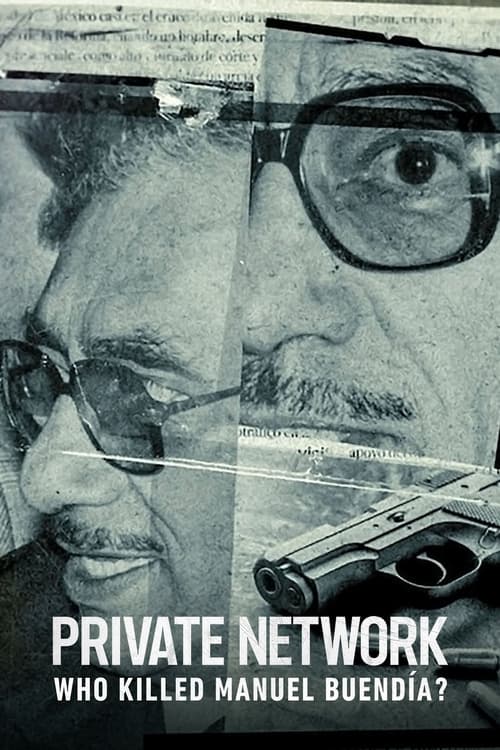
An account of the life and work of the famous Mexican journalist Manuel Buendía (1926-84) that seeks to unravel his murder and the links between Mexican politics and drug trafficking.
2014

2015

2017

2006

2019

2019

2019
2012
No reviews yet. Be the first to share your thoughts on this movie!
Use the rating form above to leave a star rating and optional review.