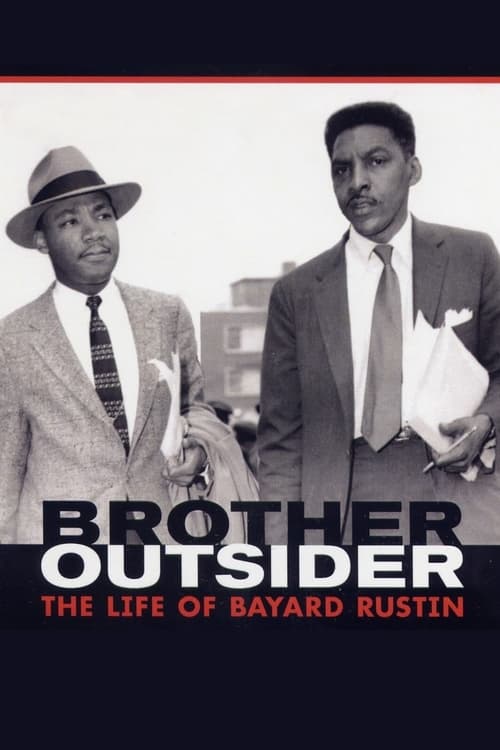
Brother Outsider: The Life of Bayard Rustin
2003
No user ratings available yet
Representation score: 7.2 out of 10
Representation Score
Fair
2010
TV-PGDirector
Stephen Ives
Runtime
81 minutes
Average Rating
No ratings yetNew Showbiz Analysis
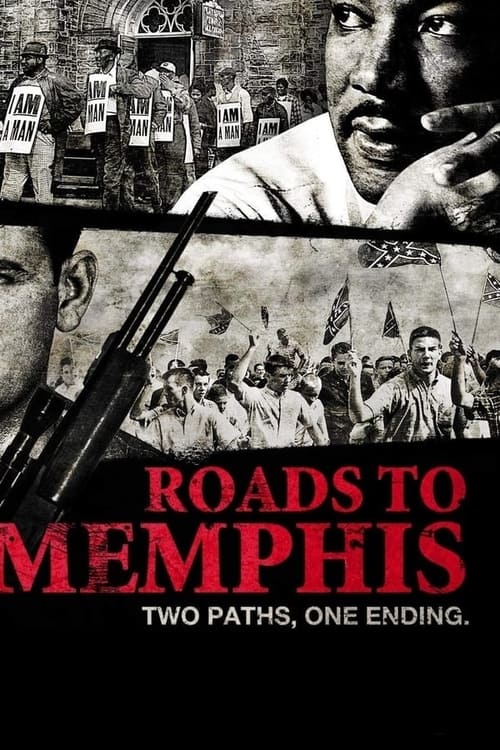
Roads to Memphis is a profound exploration of racial ability to act and systemic oppression. By focusing on Dr. Martin Luther King Jr., it challenges simplified historical narratives and provides a sophisticated look at the struggle against institutionalized white supremacy. However, the documentary's structure is heavily male-centric, limiting the visibility of women's ability to drive the story. Additionally, it lacks explicit representation of LGBTQ+ identities and does not address physical or neurodivergent disabilities as narrative components.
Category Breakdown
The film does not focus on LGBTQ+ identities or explore non-cisgender narratives. It centers on the historical figures of Dr. King and James Earl Ray.
The narrative emphasizes male figures, focusing on their roles in politics and crime. It does not highlight women's ability to drive the story or challenge gender hierarchies.
The documentary examines racial dynamics and systemic oppression. By highlighting Dr. King, it gives prominence to the Black experience and the fight against white supremacy.
The film explores themes of systemic victimhood and critiques Western power structures. It looks at the Civil Rights movement through the lens of institutional corruption and social hierarchy struggles.
The film does not significantly portray physical or neurodivergent disabilities as central narrative components.
Present on Screen
Limited or Absent
Official Synopsis
The wildly disparate yet fatefully entwined stories of assassin James Earl Ray and his target, Dr. Martin Luther King Jr.
2003

2012
2010

2017

2012
2009
2017
2022
No reviews yet. Be the first to share your thoughts on this movie!
Use the rating form above to leave a star rating and optional review.